Hi, this is Lizzy from Dinosaw ( Not a Robot ). Which Machine ( model ) do you want? Please WhatsApp us now
Open Hours:8:30am-20:30pm
WhatsApp: +86 198-5901-3937
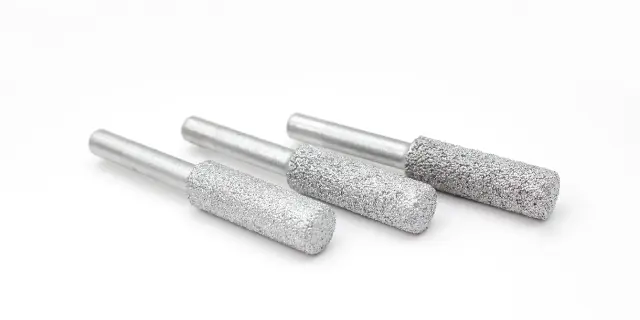
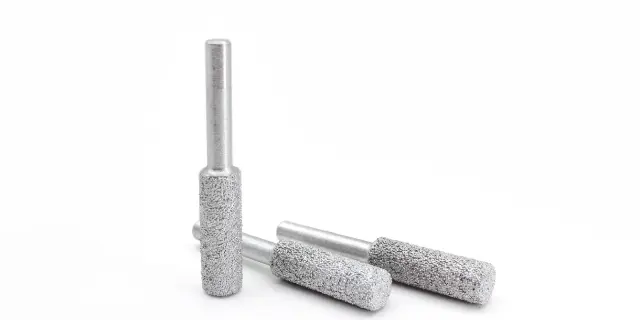
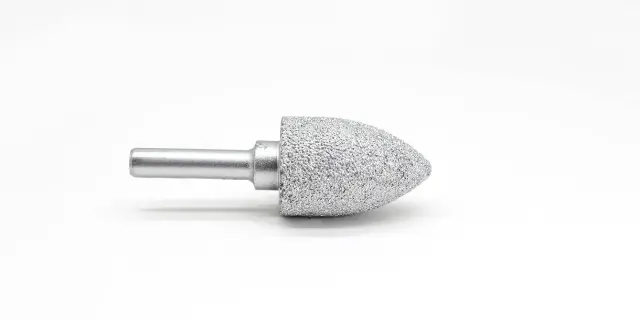
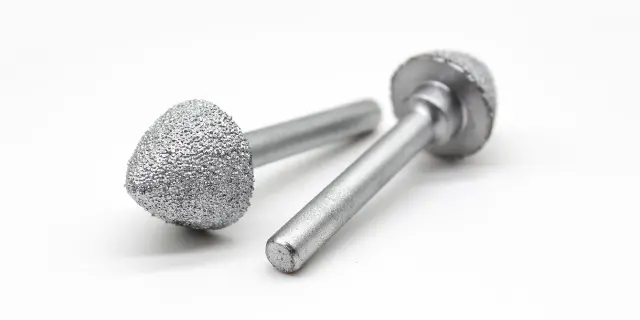
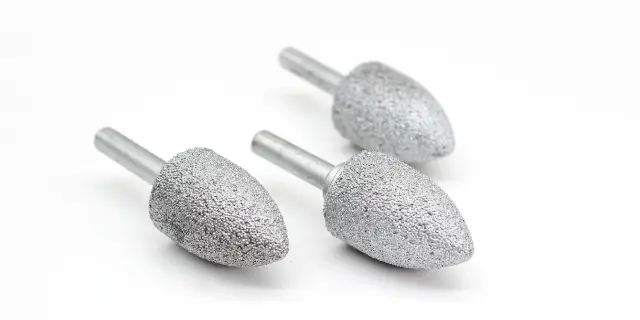
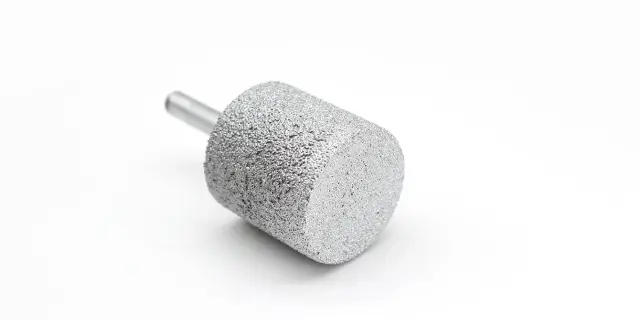
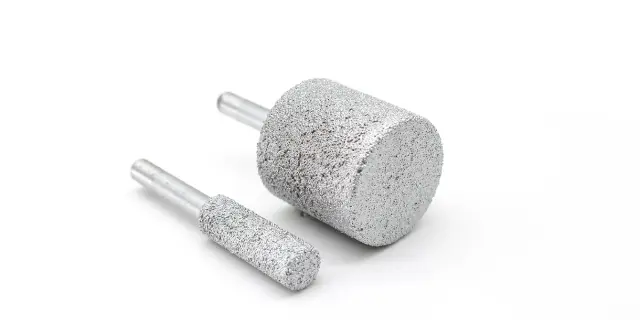
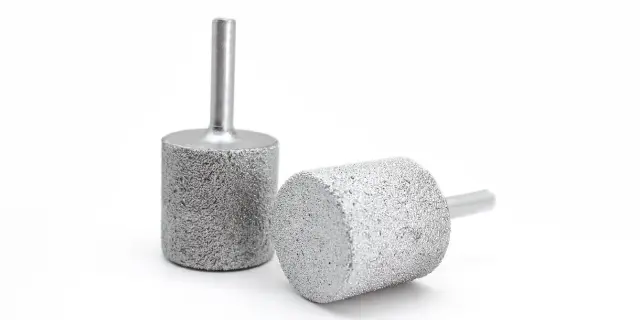
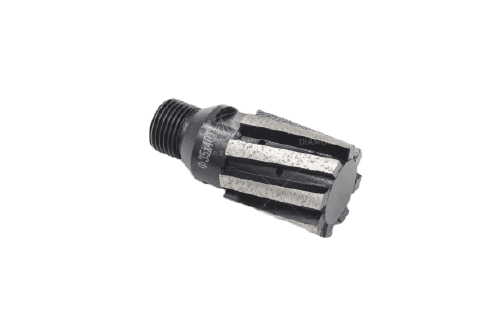
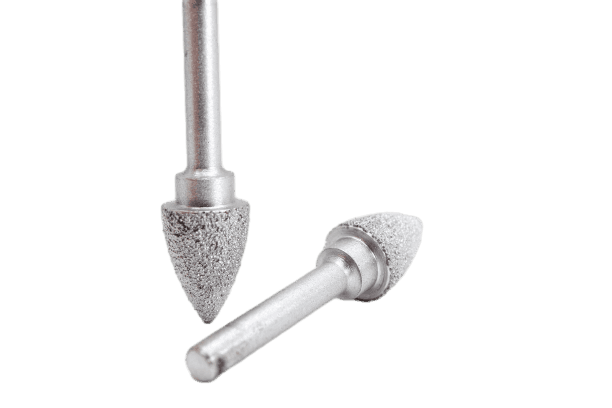
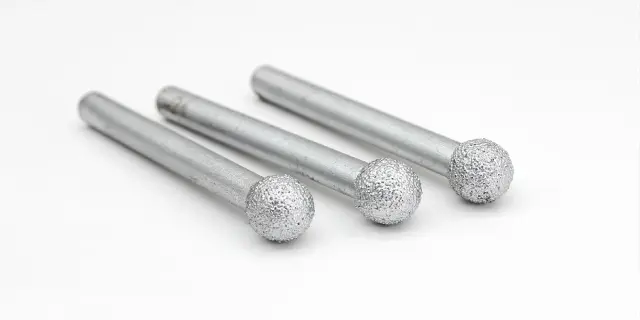
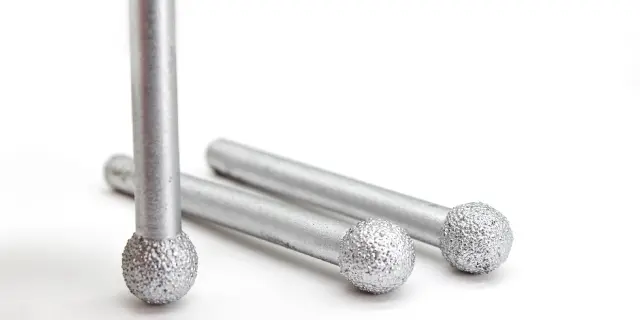
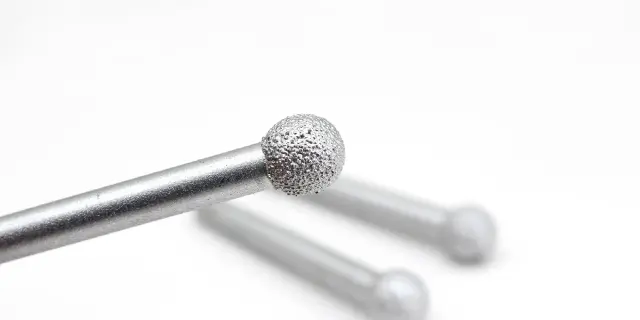
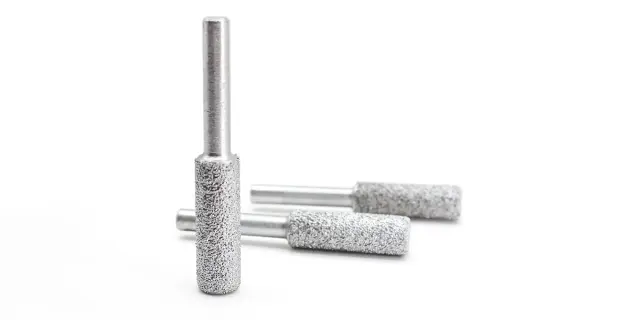
CNC Diamond Carving Bit for Stone Engraving
φ6/8/10/12/16/18/20mm


Compatible Materials & Products
Stone engraving bits for crisp lines, letters, and relief
Granite > Tombstone lettering


Granite is hard and brittle, so tombstone lettering, serial numbers, and logo outlines tend to chip at corners and break out at entry/exit—especially on small fonts, tight radii, and deeper V-carving strokes. Shops often see fuzzy edges, uneven depth, and rough groove walls that demand hand dressing, which slows production and hurts consistency on repeat monument orders.
This CNC diamond engraving/carving bit is designed for stable tracking on stone toolpaths. Controlled diamond exposure supports a steady “bite” without grabbing, helping reduce micro-chipping and chatter lines. With proper water cooling, it keeps cut temperature lower and helps maintain cleaner starts, sharper corners, and more consistent line width and depth on long lettering programs and complex sign-making paths.
Results read clearer on dark granite: crisper letters, cleaner inside corners, and smoother groove walls with less touch-up. It’s a practical tool for monument shops and memorial factories doing batch lettering, outline engraving, shallow relief details around text, and repeatable logo etching where yield and turnaround time matter.
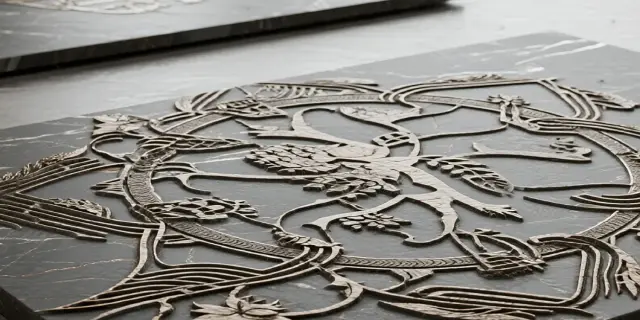
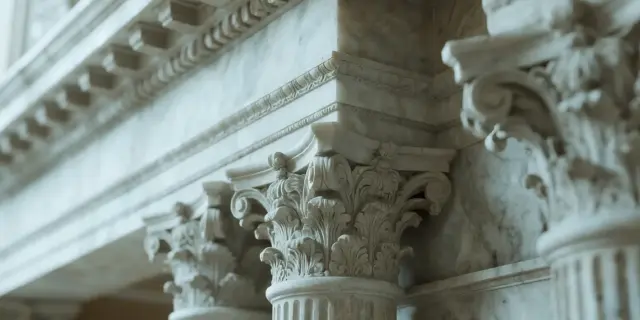
Marble > Decorative line engraving


On polished marble, every tool mark shows. Decorative line engraving, border grooves, and pattern etching can reveal chatter ripples, burn lines, or smeared edges—making “premium-looking” finishes hard to hold across multiple panels. For countertop accents and architectural trims, even slight roughness in the groove wall can require extra sanding and re-polishing around the carved area.
This diamond carving/engraving bit is tuned for smooth CNC motion on curves and long passes. Balanced diamond distribution helps the tool glide rather than scratch, supporting cleaner groove walls and steadier depth control for shallow etching, fine linework, and light relief textures. With stable coolant flow, it helps reduce heat discoloration and keeps the cutting feel consistent as programs run for longer cycles.
You get cleaner decorative lines, sharper borders, and less post-processing—useful for marble wall panels, countertop inlay channels, decorative borders, and sign-making details. It’s a good fit when your goal is consistent visual quality across custom designs and small-batch production, not just “it cuts.”
Quartz > Etched grooves & inlays


Quartz and engineered stone are extremely abrasive. On CNC runs, tools can dull quickly, heat builds up, and etched grooves may turn rough or drift in width—especially for logo engraving, thin strokes, and inlay channels where consistency is critical. Shops often fight frequent tool swaps and unpredictable finish quality as the bit wears.
This CNC diamond engraving bit is built to keep cutting bite while controlling wear. Optimized diamond density supports steady material removal, helping maintain clearer line definition for etching, shallow carving, and groove machining. With proper water cooling and a stable spindle load, it improves depth repeatability and reduces edge breakout on tight toolpaths, so letters and patterns stay readable through longer cycles.
It’s well suited for countertop branding marks, decorative grooves, inlay channels, and signage-style engraving on quartz surfaces. The practical benefit is fewer stoppages, more predictable tool life, and better yield on batch jobs—exactly what production shops need when schedules are tight.
Sintered Stone > Fine etching


Sintered stone (porcelain slabs) is dense and brittle, so micro-chipping is the main risk—thin strokes, small icons, QR-code style details, and fine sign-making patterns can break out at corners or along the groove edge. Even slight edge damage becomes obvious on clean, modern slab surfaces and can lead to rejects.
This stone carving/engraving bit focuses on stable geometry and controlled diamond action to reduce edge breakout on tight CNC toolpaths. With consistent coolant, it supports cleaner entry/exit, crisper corners, and smoother etched walls for fine line engraving, shallow grooves, and light relief textures. The goal is not only “it cuts,” but that the pattern stays sharp and the groove boundary stays clean.
Ideal for decorative etching, branding marks, architectural panel details, and repeated production on sintered slabs. You get clearer patterns, fewer rejects, and less manual correction—helping shops quote jobs with more confidence and deliver consistent visual quality.
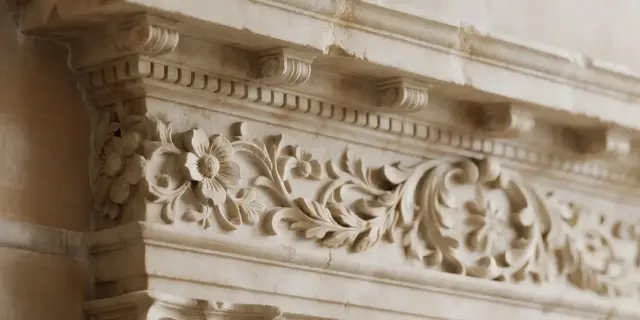
Limestone > Relief textures


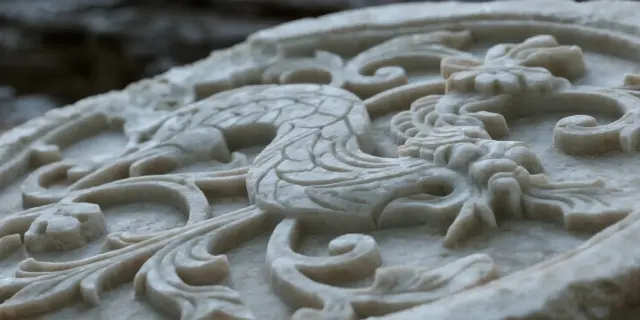
Limestone often varies in density and can “tear” in softer zones, so relief carving, texture engraving, and layered patterns need controlled removal rather than aggressive cutting. Uneven depth, fuzzy edges, and inconsistent transitions between layers can ruin the intended 3D look and add a lot of hand correction.
This CNC diamond carving bit offers a balanced cutting feel that helps the tool follow contours without over-cutting edges. Stable diamond exposure supports cleaner layer transitions and more even groove depth for relief textures, decorative patterns, and contour-style engraving. With coolant and steady feed, it reduces rough walls and helps keep the surface looking intentional rather than scratched.
Great for architectural panels, decorative medallions, fireplace surrounds, and 3D shallow relief patterns where visual consistency matters. You spend less time correcting uneven lines and more time producing repeatable textures that meet design expectations.
Specs and options
Specifications customizable upon request.
| Type | Diameter (mm) | Working Height (mm) | Joint |
|---|---|---|---|
| Carving Bit | 6 / 8 / 10 / 12 / 16 / 18 / 20 | 6 ~ 150 | Ø6 mm ~ Ø20 mm round shank |
Sharper Stone Engraving, Less Rework.
CNC diamond bit for lettering, etching, and relief.
Crisp Letters & Fine Detail
Stable diamond exposure reduces micro-chipping and keeps line edges clean on tight CNC toolpaths.
Smoother Grooves, Less Handwork
Balanced geometry reduces chatter and rough walls, so sanding and touch-up drop after engraving.
Predictable Tool Life in Hard Stone
Optimized diamond density keeps bite longer, improving consistency and reducing tool changes.
Tracks Tight Radii with Control
Stable cutting feel helps follow curves, corners, and small features without drifting.
Works for Lettering, Logos & Texture
One bit supports engraving, etching grooves, and light relief patterns across common stone surfaces.
Custom Sizes, Low MOQ Friendly
Choose shank/diameter and working length options; OEM labeling and mixed orders supported.
FAQs
Common Questions About Diamond Carving Bits
What’s the difference between a diamond carving bit and a diamond engraving bit for stone?
Most buyers use the terms interchangeably. In practice, “engraving” usually means fine lines / lettering / shallow etching, while “carving” can include 2.5D textures, shallow relief, pockets, and decorative grooves.
If your job is tombstone lettering / logo outlines / sign-making, prioritize: tight-radius control, low runout tolerance, and clean groove walls. If it’s relief/textures, prioritize: stable removal rate and smooth wall finish on long toolpaths.
What RPM and feed rate should I start with for granite / quartz / marble engraving?
Use these as safe starting ranges for wet cutting (then tune ±10–20% based on bit Ø, spindle power, and line detail):
Granite / Quartz (hard + abrasive):
RPM: 4,000–7,000
Feed: 300–800 mm/min
Step-down: 0.3–0.8 mm/pass
Plunge: 50–80 mm/min (prefer ramp entry)Marble / Limestone (softer, but shows marks easily):
RPM: 6,000–10,000
Feed: 150–500 mm/min
Step-down: 0.5–2.0 mm/pass
Keep a light finishing pass for better groove walls.
Why do my engraved letters look fuzzy or “melted” on stone?
Usually one (or more) of these:
Tool runout (collet wear / long stick-out) → creates chatter and uneven line width
Too much step-down → edge breakout at corners
Inconsistent coolant → heat spikes → glaze/rub instead of grind
Fix path first: ramp entry, smaller step-down, short tool stick-out, stable water curtain. Then tune RPM/feed.
How do I reduce chipping on corners for small text and V-carving?
Do this in order (most impact to least):
Support & clamp: no overhang, no vibration
Ramping instead of plunging: avoid “shock” at entry
More passes, less step-down: keep load constant
Finish pass strategy: one final light pass at same depth to clean walls
If you still chip: drop feed slightly, keep RPM stable, and verify runout.
Wet or dry—can I run this carving bit without water?
For stone CNC engraving, wet cutting is the default (heat control + cleaner walls + more predictable life). If you must run dry: reduce feed, reduce step-down, shorten continuous tool time, and use strong extraction. Otherwise you’ll see faster glazing, rough walls, and inconsistent detail between panels.
How do I choose bit diameter and shank for my CNC?
Use this rule set:
Detail first: smaller Ø for tighter corners and thin strokes
Stability first: larger Ø for faster removal and less deflection
Shank must match collet exactly (common: 6/8/10/12 mm or 1/2")
Keep stick-out as short as possible (long reach = more chatter)
Tell us your collet size + minimum inside radius + target line width/depth and we’ll recommend 2–3 sizes that stay stable.
What’s the difference between electroplated, brazed, and sintered diamond engraving tools?
Quick selection logic:
Electroplated: very sharp bite, great for fine detail, typically shorter life on abrasive quartz (but excellent for crisp starts).
Brazed: stronger diamond retention, good durability, often used when you want longer service life while keeping aggressive cutting.
Sintered: best for long life in many grinding-style operations, often paired with consistent wet cooling and steady loads.
If you tell us material + finish goal (crisp letters vs long life), we’ll match the build type.
My groove walls look rough—what’s the fastest way to improve finish quality?
Use a two-pass approach:
Rough: normal feed, conservative step-down
Finish: same depth, lighter load (reduce feed ~10–20% or use a finer tool/grit)
Also: stabilize coolant flow and avoid stopping in corners (dwell marks). Shops that standardize a finish pass get the biggest jump in “premium look” consistency.
How do I know when to replace a diamond carving bit?
Replace (or retire to roughing) when you see:
line width drifting wider than programmed
corners chipping more at the same settings
spindle load climbing / more vibration
bit “polishing” the stone (glazing) instead of grinding cleanly
For quoting batch work, track material type + tool hours + total engraved length—that’s what makes tool cost predictable.
What info do you need from me to recommend the right bit and send a quote fast?
Send these 8 items and we can reply with a matched option set + starting parameters:
Material (granite/marble/quartz/sintered) + thickness
CNC model / spindle power + max RPM
Cooling type (external water / internal / dry)
Collet size (shank)
Target groove width + depth
Smallest inside radius / smallest text height
Job type (lettering / logo / sign-making / relief texture)
Monthly usage (pcs or meters) + destination country
Certifications & Standards
CNC diamond bit for lettering, etching, and relief.
CE Certification
100+ Tech Patents
ISO 9001:2015
DINOSAW product lines fully comply with international engineering standards, passing rigorous third-party quality certifications to ensure exceptional performance and durability for all industrial equipment operating in high-load environments.
Expertise & Applications
75+
Countries Served Worldwide
20+
Industry machinery expertise
Complete Production Solutions & Equipments
Choose equipment combinations for your product needs to establish efficient automated production lines and maximize profitability.
Get Your Carving Bit + Proven Cutting Parameters
Tell us your stone and CNC. We’ll match the bit, shank, and starting RPM/feed in 24h.
Contact DINOSAW
Connect with DINOSAW experts to find the perfect processing solution for your specific material and production needs.

DINOSAW: Trustworthy Diamond Tool Manufacturer
Discover how DINOSAW can accelerate your projects. Our tailored product line, cutting-edge R&D, robust manufacturing, end-to-end service, global support, and industry certifications are at your service.

Other Machines or Tools
Are you looking for more new information machines or tools?
EnglishHello 👋 How can we help?


中文