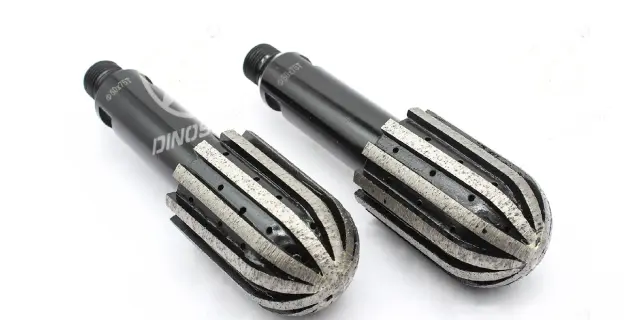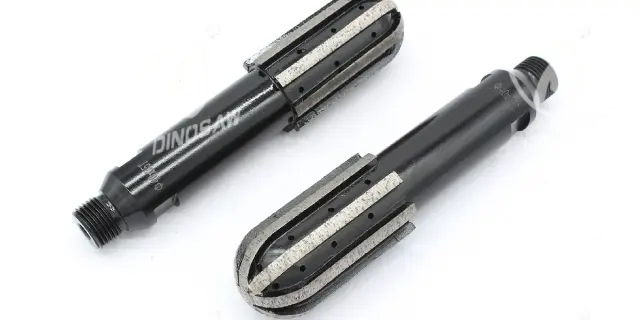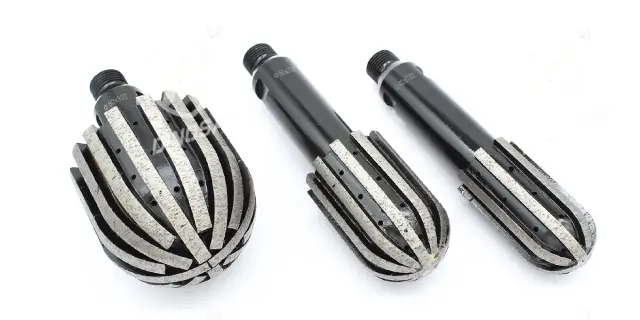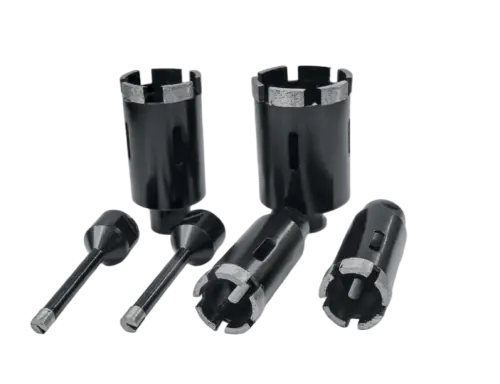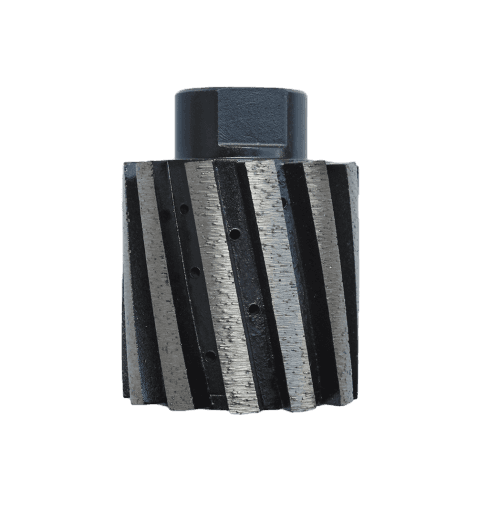
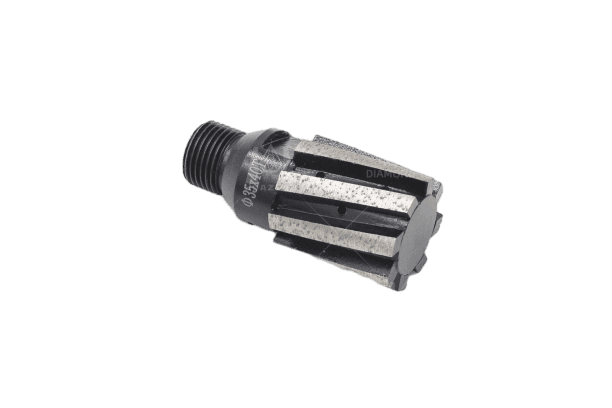
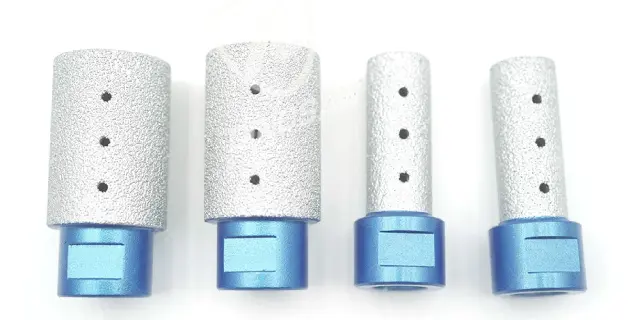
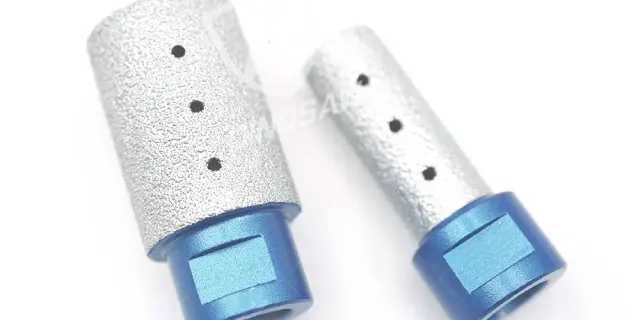
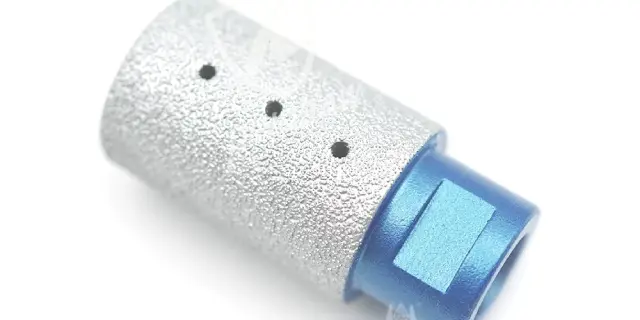
CNC Diamond Finger Bit for Internal Cutouts & Hole Milling

φ10/12/16/20/25/30/35mm

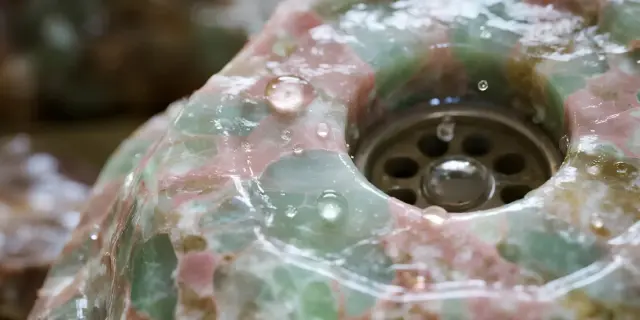
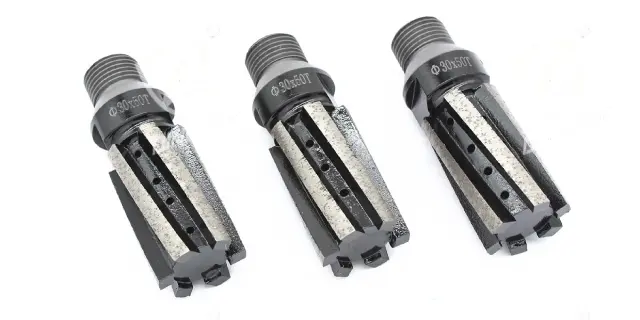
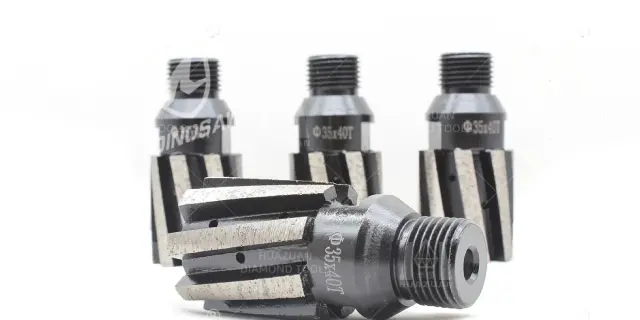
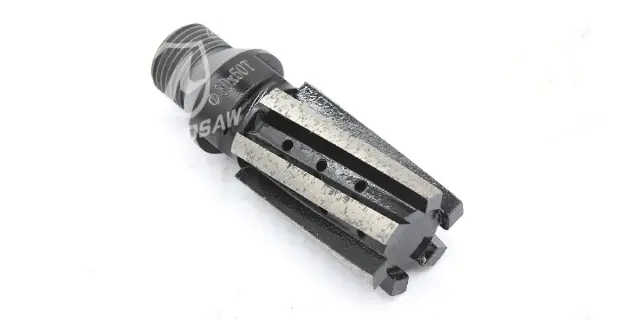
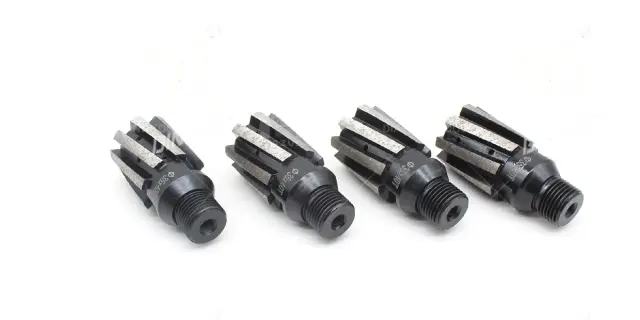
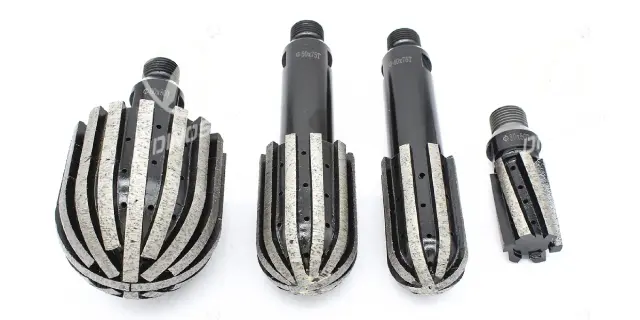
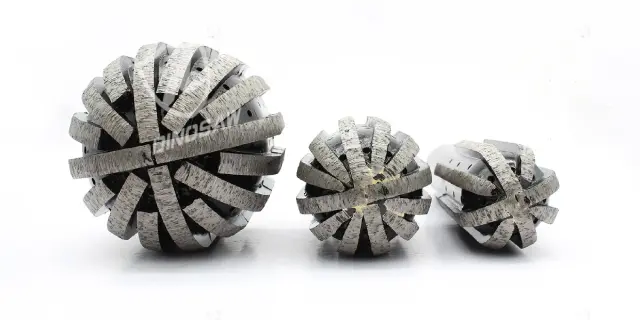
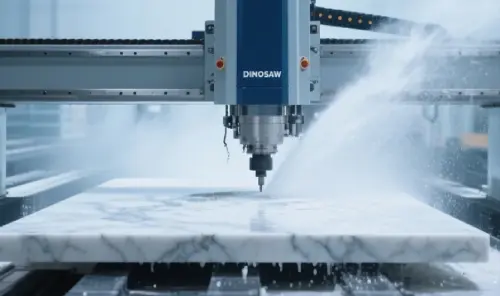
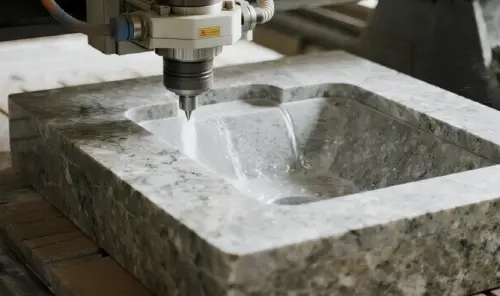
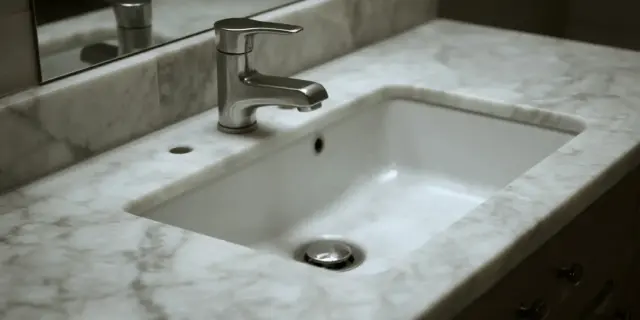
DINOSAW diamond finger bit is a CNC milling tool for internal cutouts on stone countertops and slabs. It mills sink openings, enlarges faucet/drain holes, and forms inside corner radii in granite, quartz (engineered stone), and marble. Center water-feed cooling plus matched diamond grit and bond options keep the bit cutting smoothly while limiting chipping and heat marks. Sizes Ø10–35 mm with 15–100 mm working height help shops improve fit-up, speed up finishing, and reduce rework.
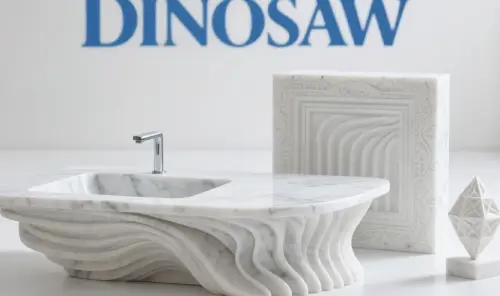
Compatible Materials & Products

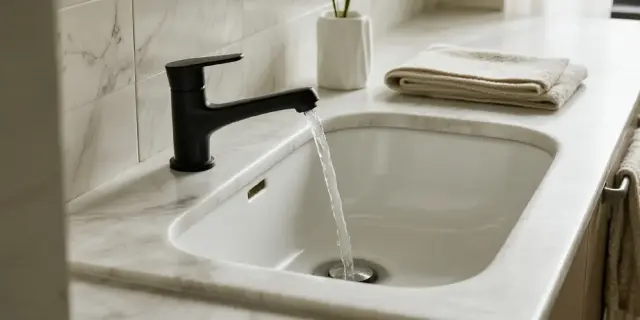
Clean internal cutouts, holes, and inner radii on CNC

Specs and options

Specifications customizable upon request.

TypeDiameter (mm)Working Height (mm)Joint
Finger Bit10 / 12 / 16 / 20 / 25 / 30 / 3515 ~ 1001/2" GAS (Male), 5/8"-11 (Female), M14 (Female), etc.

Smooth Internal Curves, Faster CNC Finishing.

Finger bits for clean inner radii in quartz & granite.

Cleaner Internal Corners

Diamond-cut inner radii remove saw marks and reduce chipping on tight curves.

Faster Stock Removal

Optimized diamond exposure clears material quickly with stable vibration control.

Lower Cost per Slab

Material-matched bond holds diamonds longer under wet CNC milling loads.

Stable Diameter, Better Fit

Consistent tool geometry keeps openings on-spec for repeat installations.

Cooler Wet Milling

Wet use helps reduce heat, glazing, and edge burn marks on dense slabs.

Material-Specific Options

Choose grit & bond for granite, marble, quartz, porcelain, sintered stone.

FAQs

Common Questions About Diamond Finger Bits

What is a diamond finger bit used for in stone fabrication?

A diamond finger bit is a CNC milling tool for enlarging, truing, and smoothing internal openings—sink cutout corners, faucet/soap holes, slots, and small radii.

It’s used after rough cutting or core drilling to control the final geometry and reduce hand grinding. Typical targets are consistent radius, roundness, and chip-free edges.

Start with wet milling and light step-downs (e.g., 0.5–2 mm/pass) so diamonds cut cleanly instead of rubbing.

How is a finger bit different from a core bit or drill?

A core bit creates the initial hole quickly (rough geometry). A finger bit is for finishing—bringing the hole/slot to final size, improving roundness, and cleaning the inner edge.

If you need speed for hole creation, core drill first; if you need accuracy and edge quality, finish with a finger bit. This pairing is common in countertop workflows.

For brittle materials, the “drill → finger bit” sequence reduces breakout risk and saves time versus forcing a drill to do finishing.

Finger bit vs drum wheel: which one should I use first?

Use the finger bit first for geometry: internal radii, hole calibration, slot sizing, and removing saw/drill marks.

Then use a drum wheel for blending and finish: smoothing transitions, radiusing edges, and preparing for final polishing.

If you reverse them, the drum wheel may polish over uneven geometry—making defects harder to correct later.

How do I pick grit/bond for granite vs quartz vs marble?

For harder stones (granite/quartz/quartzite), choose a bond designed to keep diamond exposure active under high abrasion; for softer stones (marble/limestone), avoid overly aggressive setups that can smear or burnish.

A practical shop approach: one rough finger bit for shaping + one medium/fine for finish prep, then drum wheel/pads for the final.

If you share your material and target finish, we can recommend <Grit> / <Bond> / <Diameter> combinations aligned to your machine and throughput.

Do I need waterfeed, or can I run finger bits dry?

Wet cutting is strongly preferred for most stone CNC work because it reduces heat, dust, and glazing while improving edge quality.

Dry use is possible in limited scenarios, but you’ll typically need conservative parameters and strong dust control—especially on quartz/sintered materials.

If your machine supports center waterfeed, it’s usually the fastest path to stable results and longer tool life.

What spindle speed and feed rate should I start with?

Start conservatively and tune by sound and surface: diamonds should cut, not squeal or burnish. As a general starting window, try 4,000–10,000 RPM (diameter dependent) and 200–1,000 mm/min feed.

Use light step-downs (often 0.5–2 mm/pass) and steady coolant flow; increase feed before increasing depth if edges stay clean.

Final numbers depend on material, tool spec, and spindle power—share those and we’ll propose a safe baseline.

How do I know when to replace the finger bit?

Common signs: rising power load, slower cutting, more heat, glazing, and increasing micro-chips despite stable parameters.

First troubleshoot: verify coolant delivery, reduce step-down, and check runout/collet condition. If the tool still “rubs,” diamond exposure is likely worn.

A good rule: replace when you can’t meet edge quality at normal cycle time—tool cost is usually lower than rework/scrap.

What diameter (Ø) finger bit should I choose for my job?

Pick diameter based on minimum inside radius, material hardness, and stock removal needs.

  • Ø10–14 mm: tighter inner corners, small openings, less load, finer control

  • Ø16–25 mm: general-purpose internal cutouts and hole enlarging on countertops

  • Ø30–35 mm: faster stock removal on larger openings, thicker slabs, heavy production
    Rule of thumb: bit diameter ≤ 2× target inside radius when you’re forming inner radii, so you don’t “overcut” corners.

How do I choose working length / cutting height (15–100 mm)?

Working length should cover material thickness + fixture clearance + toolpath safety.

  • Countertops (20–30 mm): 15–30 mm working height is often enough

  • Thicker slabs or deep internal pockets: 40–60 mm

  • Tall work or special jigs: 80–100 mm
    Too long increases deflection and chatter, so don’t oversize “just in case.”

What bond should I choose: soft bond or standard bond?

Bond selection is about keeping diamonds exposed and cutting:

  • Hard materials (quartzite, granite, engineered quartz): often prefer softer bond (self-sharpening under high abrasion)

  • Softer materials (marble/limestone): standard bond can be stable and less aggressive
    If the bit starts “rubbing” and heating, bond is usually too hard for that stone.

Certifications & Standards

Finger bits for clean inner radii in quartz & granite.

CE Certification

CE Certification

Tech Patents

100+ Tech Patents

ISO Certification

ISO 9001:2015

DINOSAW product lines fully comply with international engineering standards, passing rigorous third-party quality certifications to ensure exceptional performance and durability for all industrial equipment operating in high-load environments.

Expertise & Applications

Countries Served

75+

Countries Served Worldwide

Industry Expertise

20+

Industry machinery expertise

DINOSAW delivers lifecycle quality traceability and technical support for machinery equipment and diamond tools, covering cutting, drilling, engraving, polishing, and processing requirements for precision machining across industries.
Our products serve traditional industries (mining, stone processing, building materials), high-precision manufacturing (quartz glass, semiconductor), advanced materials (graphite, carbon fiber composites), and specialized applications (nuclear decommissioning, railway construction machinery).

Get the Right Finger Bit for Your CNC Workflow

Share your material, machine interface, and target finish—we’ll match bond and grit fast.

Contact DINOSAW

Connect with DINOSAW experts to find the perfect processing solution for your specific material and production needs.

DINOSAW: Trustworthy Diamond Tool Manufacturer

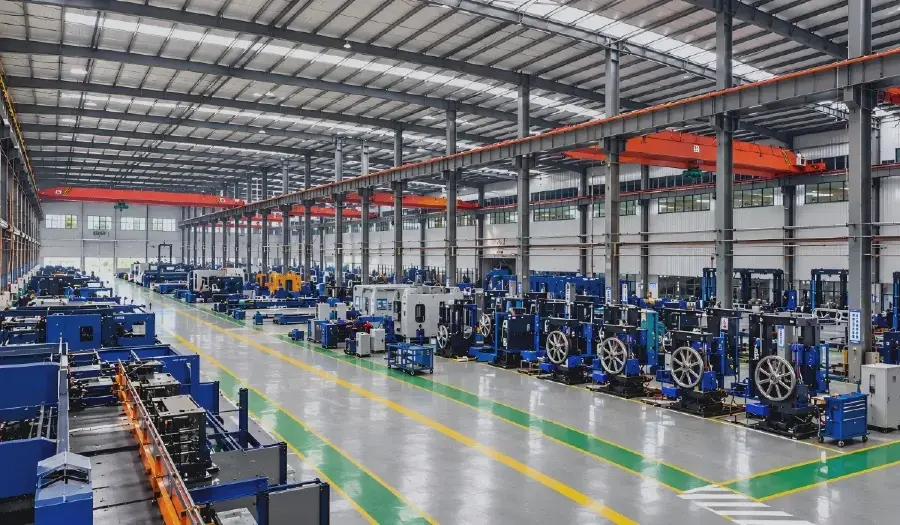
Discover how DINOSAW can accelerate your projects. Our tailored product line, cutting-edge R&D, robust manufacturing, end-to-end service, global support, and industry certifications are at your service.

Other Machines or Tools

Are you looking for more new information machines or tools?

大鲨鱼机械Lizzy黄
硬脆材料加工专家 / 销售主管
扫码即刻沟通
点击二维码添加微信
获取精密机械加工方案及报价

Get A Easy Solution

Chat Online
Ms.Lizzy

Hi, this is Lizzy from Dinosaw ( Not a Robot ). Which Machine ( model ) do you want? Please WhatsApp us now

WhatsApp Chat Now
Contact Us

Hello 👋 How can we help?