Every Kerf Is a Cost. Every Batch Has to Hold.

For crystal material processors and substrate manufacturers, the economics of slicing are straightforward: the more usable substrate you recover from each ingot or boule, and the less rework you generate in downstream lapping and polishing, the lower your cost per wafer. The cutting stage is where both of those variables are set.
Silicon ingots, SiC boules, sapphire crystals, and quartz glass blanks are not cheap raw materials, and they are not getting cheaper. At the same time, the quality specifications for the substrate coming out of slicing — TTV, surface roughness, subsurface damage depth — are getting tighter as device requirements advance. The cutting process has to deliver on both fronts: material yield and output quality, consistently, across every production run.

Kerf Loss on Expensive Material

On SiC and sapphire, raw material cost per unit volume is high enough that the difference between a 0.35mm kerf and a 0.5mm kerf, multiplied across a production run, is a meaningful cost variable. Wire diameter selection and cut parameter optimisation directly determine how many usable substrates come out of each boule or ingot.

Kerf Loss on Expensive Material

On SiC and sapphire, raw material cost per unit volume is high enough that the difference between a 0.35mm kerf and a 0.5mm kerf, multiplied across a production run, is a meaningful cost variable. Wire diameter selection and cut parameter optimisation directly determine how many usable substrates come out of each boule or ingot.

Slicing, Profiling, and Grinding for Substrate Production

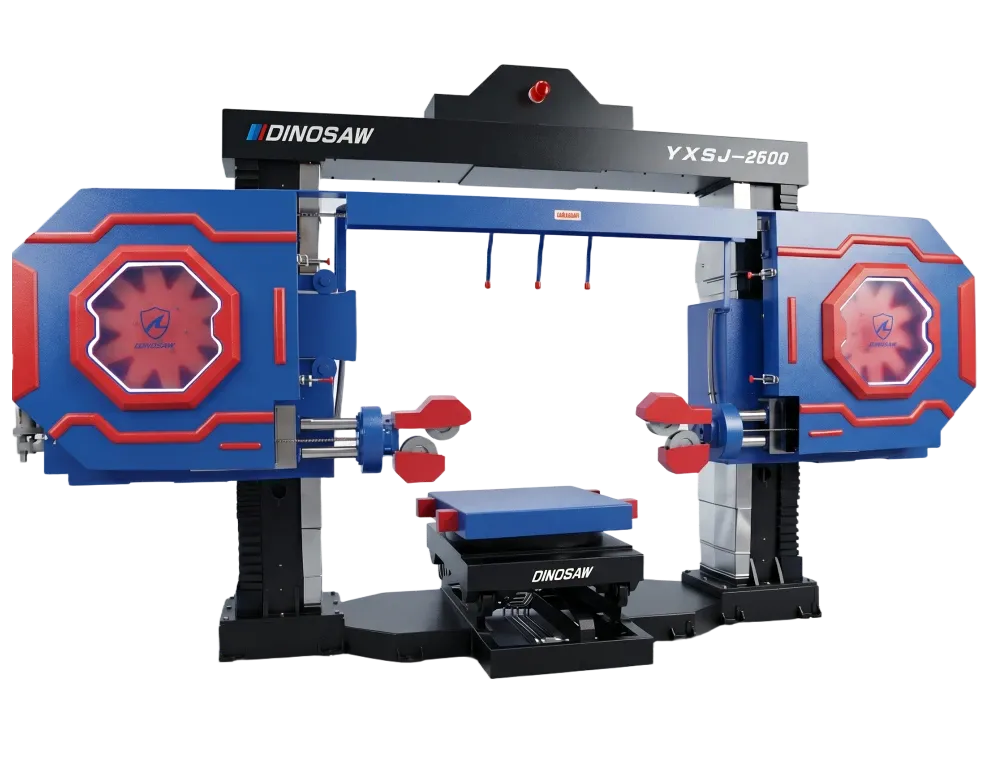
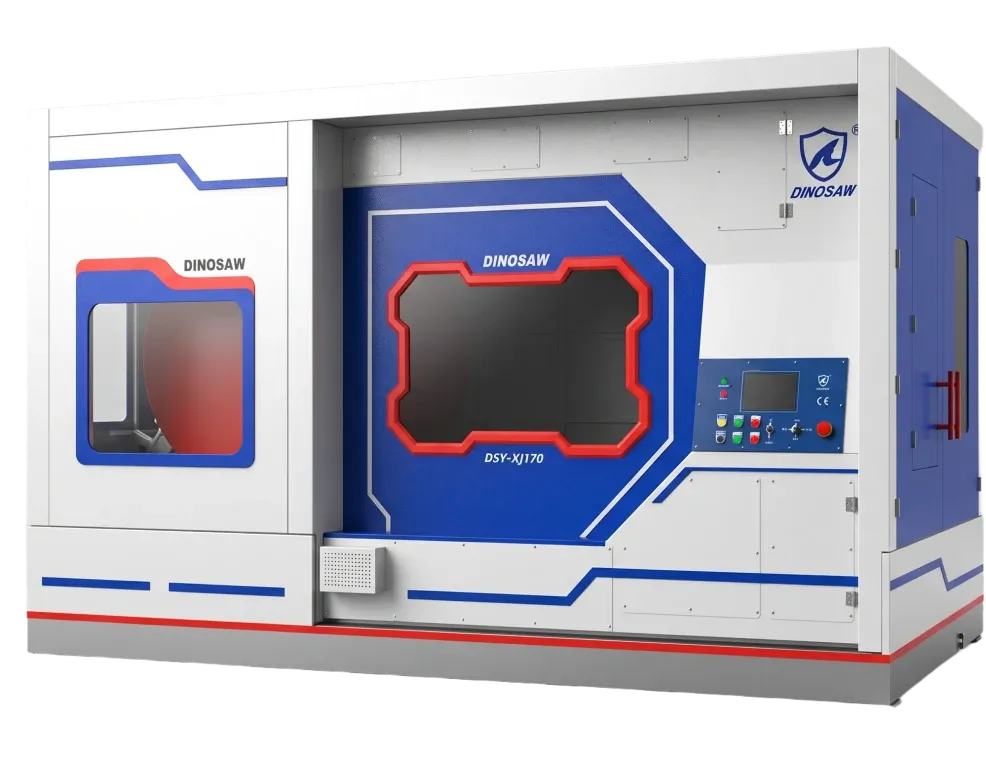
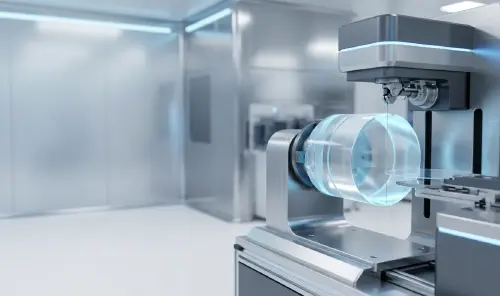
We provide diamond wire saw cutting and surface grinding across the full substrate processing sequence — from ingot and boule slicing through cropping and profile cutting to post-cut damage removal and thickness control. Each configuration is set to the specific material, substrate geometry, and quality specification of the production scope.

Narrow Kerf, More Substrates per Ingot

Wire diameters from 0.35mm produce cutting widths well below blade-based alternatives. On high-cost materials like SiC and sapphire, the additional substrates recovered per boule from narrower kerf directly offset the cost difference between cutting methods across a production run.

Controlled SSD for Lower Polishing Cost

Cutting parameters — wire tension, feed rate, speed — are set to minimise the subsurface damage depth introduced during slicing. Shallower SSD means less material to remove in lapping and polishing, shorter downstream cycle times, and more of the substrate thickness remaining after finishing.

TTV Stability Across the Production Run

Wire tension stability, feed rate consistency, and systematic wire wear monitoring maintain TTV across the full batch — not just the first few wafers. Wire wear is tracked and managed so that cut quality at the end of a production run matches the beginning, preventing late-batch variation from creating rejection events in otherwise clean production.

Post-Cut Grinding for Thickness and Flatness

Post-slice surface grinding removes the cut damage layer and brings substrates to target thickness and flatness for downstream polishing and epitaxial processing. Controlled material removal reduces CMP stock and polishing cycle time, improving overall process yield across the production line.

Dinosaw Machines for Semiconductor Material Processing

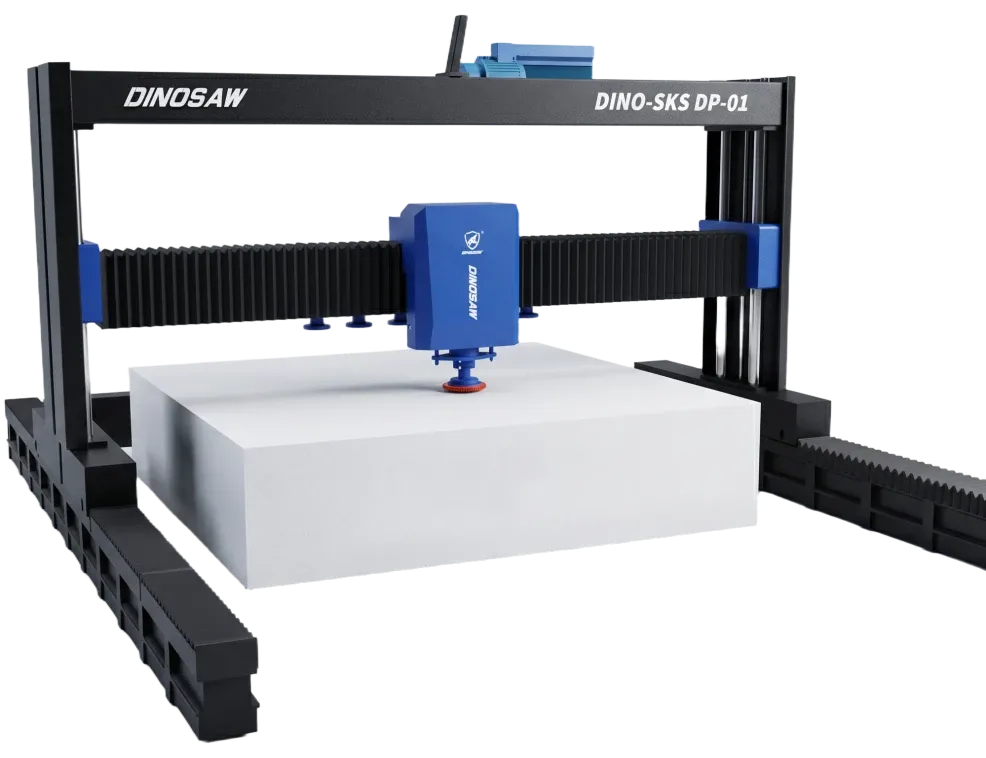
We work across three system types for semiconductor substrate processing. Configuration to material type, substrate geometry, production volume, and quality specification is part of every engagement — not a standard setup applied without adjustment.

semiconductor_solutions_title

semiconductor_solutions_desription test

view

How Dinosaw Machinery Works With You — From Specification to Ongoing Support

Dinosaw does not sell off-the-shelf machines and hand them over. Every project we take on starts with understanding your requirements — and stays with you through commissioning, training, and the life of the equipment. Here is what that looks like in practice, and who Dinosaw works with.

How a Project Engagement Works

01

Initial Discussion

We start with your requirements: materials, production targets, site conditions, and timeline.

02

Specification Development

We develop an equipment configuration: machine type, dimensions, tooling, control architecture.

03

Engineering Review

The specification is shared with your technical team. We work through comments and refine the design.

04

Build & Documentation

In-house fabrication with full quality documentation produced throughout.

05

Commissioning & Support

On-site commissioning to verify performance. Operator training and ongoing support.

Our Capabilities

In-House Manufacturing

We design and fabricate our equipment in-house, with direct control over engineering changes, fabrication sequences, quality documentation, and lead time.

R&D Engineering Team

Our engineers work directly from your project brief. We build the specification from your site conditions, material profile, and processing requirements.

Project-Specific Configuration

No two systems we build are identical, because no two projects are. Each machine is configured, not adapted, to your specific requirements.

On-Site and Remote Support

We provide commissioning support, operator training, and ongoing technical assistance for every system we supply.

Who We Work With

End Users & Manufacturers

Factories, processing plants, and industrial operators who need machinery for their own production.

Distributors & Agents

Regional distributors and agents representing Dinosaw Machinery in local markets.

Engineering Consultancies

Consultancies developing equipment specifications, feasibility studies, or technology assessments.

Whether you are specifying equipment for a new project, exploring options at feasibility stage, or looking for a manufacturing partner for a specific application — we are ready to have that conversation.
大鲨鱼机械Lizzy黄
硬脆材料加工专家 / 销售主管
扫码即刻沟通
点击二维码添加微信
获取精密机械加工方案及报价

Get A Easy Solution

Chat Online
Ms.Lizzy

Hi, this is Lizzy from Dinosaw ( Not a Robot ).  Which Machine ( model ) do you want? Please WhatsApp us now

WhatsApp Chat Now
Contact Us

Hello 👋 How can we help?