Refractory Processing Is About Precision at Every Stage

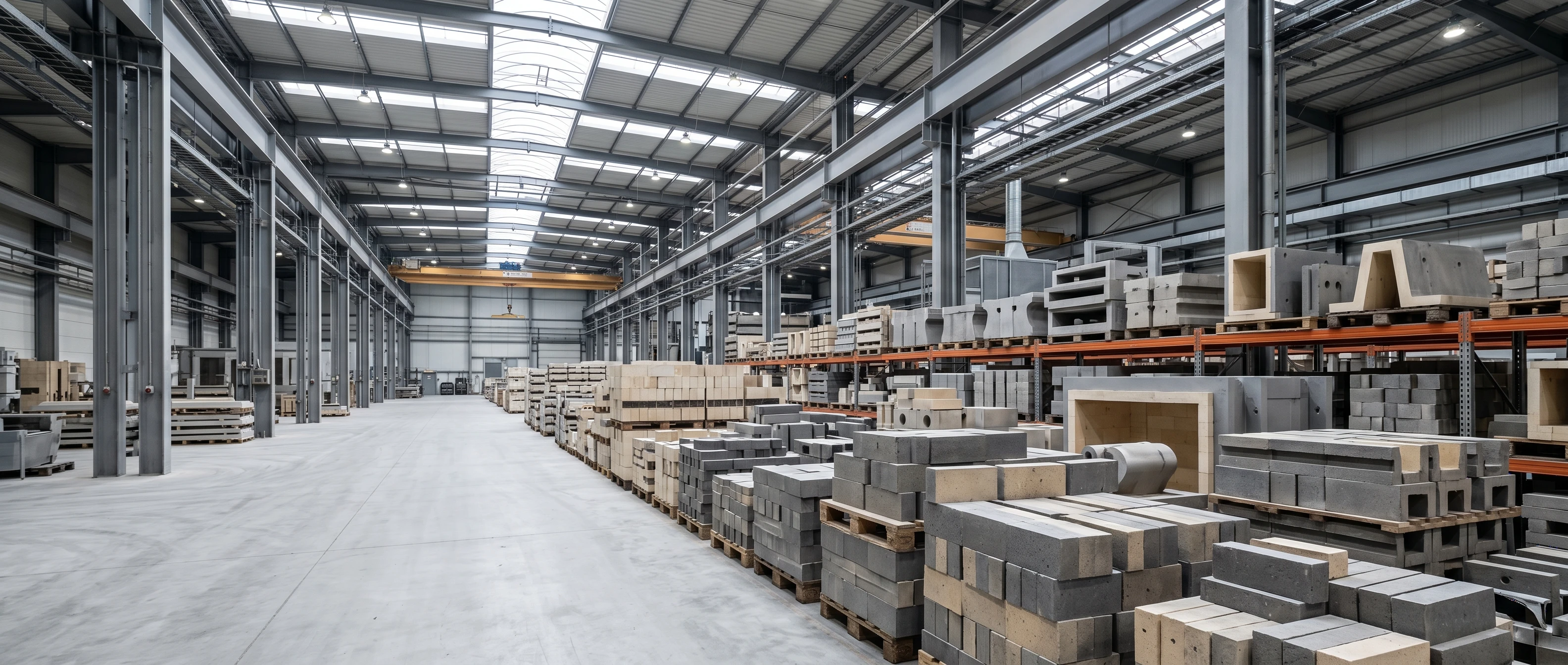
Refractory materials — high-alumina bricks, magnesia-carbon, SiC, fused silica — are engineered for extreme conditions: temperatures above 1600°C, chemical attack from molten slag, and repeated thermal cycling. That same engineering makes them demanding to process.
The challenge is not only getting through the material. It is doing so without damage, to the right dimensions, with faces flat enough to seat correctly in the lining. Dimensional accuracy determines mortar joint width; face flatness determines how tightly bricks contact each other. Getting both right requires the full processing sequence — not just the cutting step.

Chipping on Sintered Edges

Sintered refractory bricks are brittle at the micro-structural level. Disc saws and angle grinders apply concentrated, intermittent force that chips cut edges and corners — producing rejects in standard production and unrecoverable damage on shaped pieces.

Chipping on Sintered Edges

Sintered refractory bricks are brittle at the micro-structural level. Disc saws and angle grinders apply concentrated, intermittent force that chips cut edges and corners — producing rejects in standard production and unrecoverable damage on shaped pieces.

Three Systems, One Processing Sequence

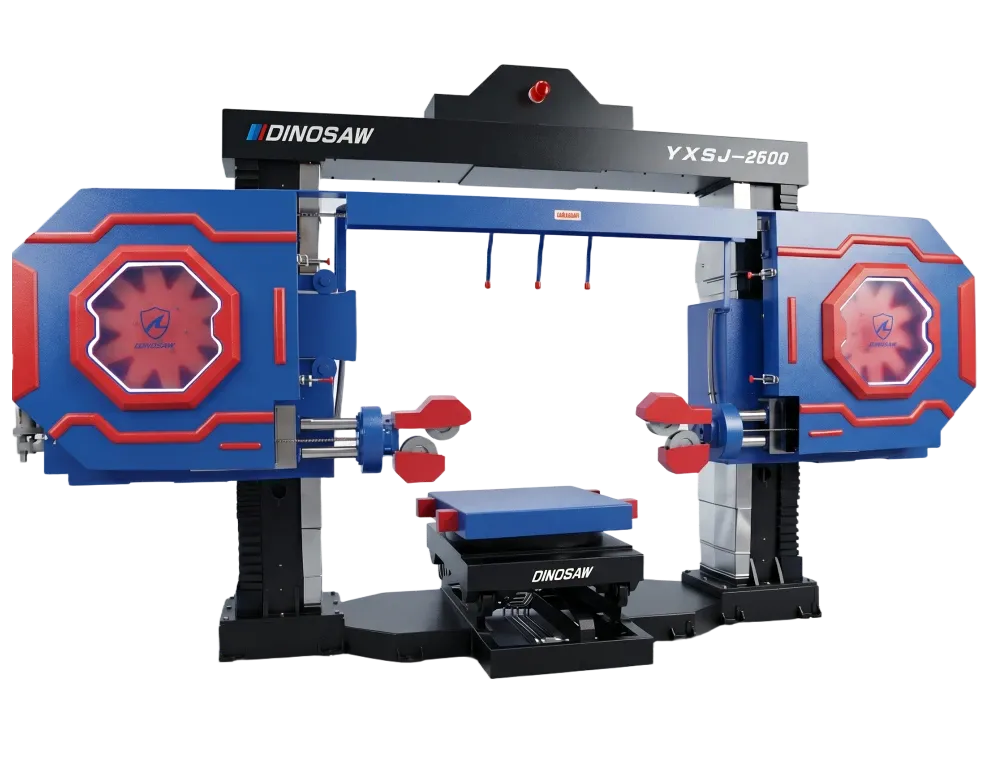
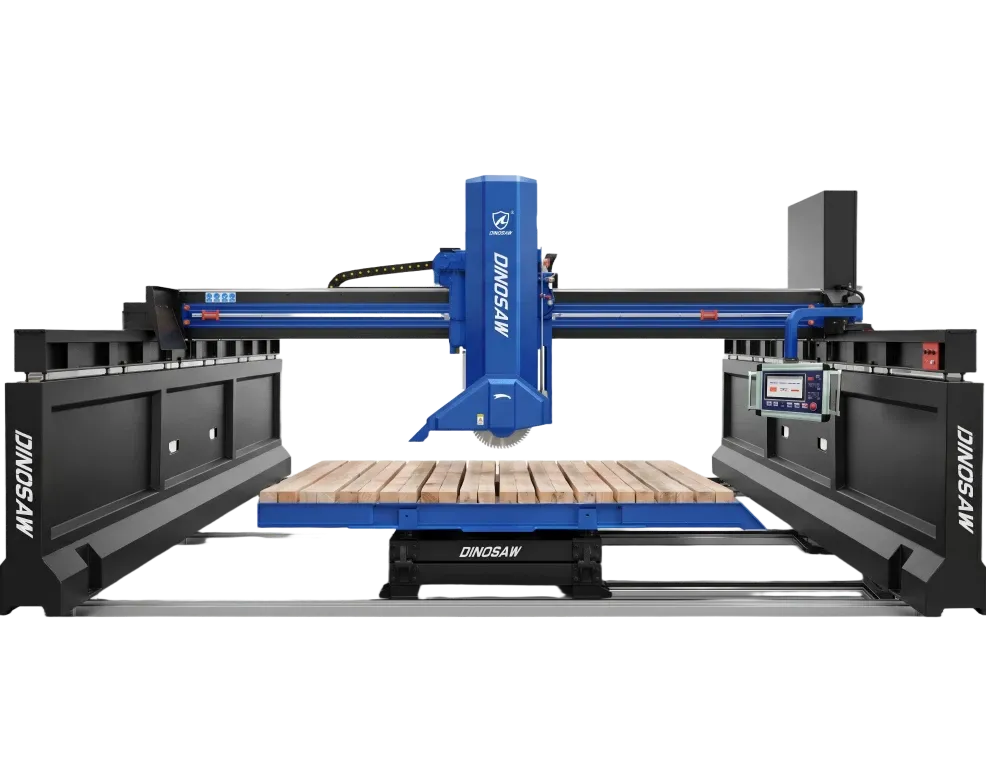
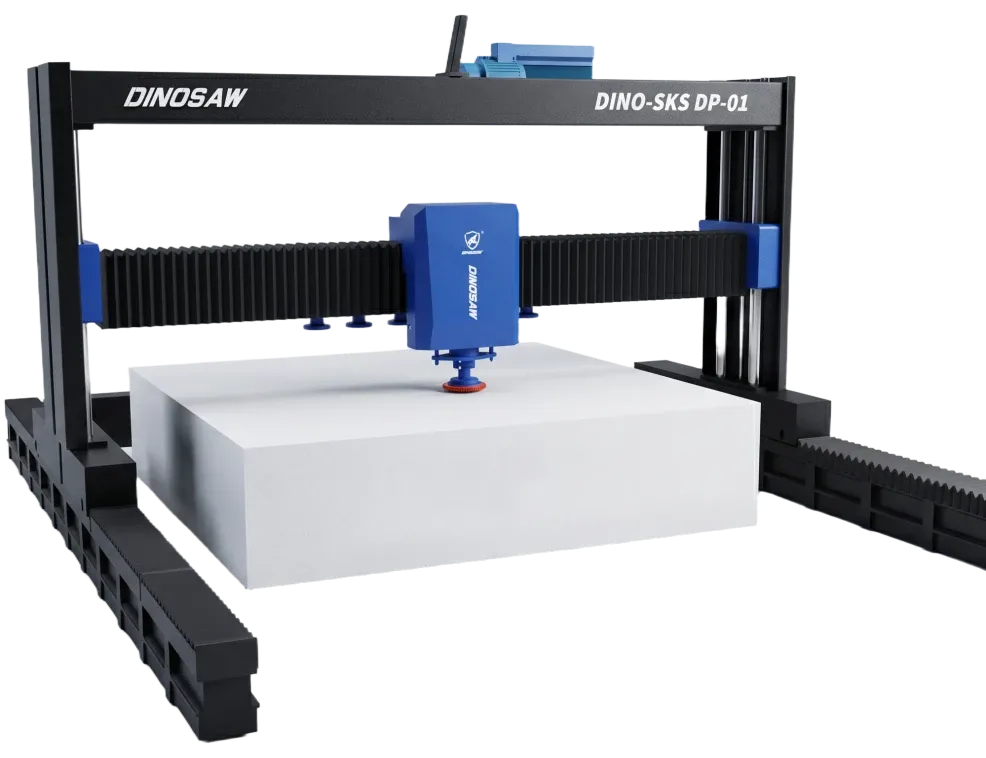
We work with three complementary systems — CNC diamond wire saw, bridge saw, and surface grinding — each addressing a specific stage in the processing sequence. All three share the same principle: controlled, distributed abrasive action that avoids the concentrated force and heat that cause edge fracture or surface damage in sintered ceramic.

Complex Profile and Special-Shape Production

We produce curved, tapered, and compound-geometry refractory pieces directly to drawing — profiles that standard straight-cut methods cannot reach. Path geometry is defined against customer drawings or 3D models; no secondary hand-dressing is required to bring pieces onto specification.

Batch Dimensional Consistency to ±1mm

Consistent ±1mm dimensional output across the full production run — not just the first piece. We account for the density variation typical in fired batches and configure cutting parameters to maintain tolerance stability without continuous manual intervention.

Chip-Free Cutting on Sintered Ceramic

Cut edges and corners come out intact — no chipping on faces, tapers, or intersections. This matters most on high-value materials where edge damage means rejection, and on shaped profiles where the geometry cannot be recovered by secondary grinding.

Face Flatness Correction After Firing

We correct the face distortion introduced during firing — warping and uneven shrinkage that cutting alone cannot fix. The output is a flat, consistent face across the full brick surface, suited for direct installation in precision lining assemblies without secondary hand-dressing.

Our Processing Systems for Refractory Applications

Three systems, each configured to the material type, required tolerance, and production geometry of the project — not deployed as standard machines without adjustment.

Refractory Materials We Have Processed

Direct processing experience across cutting and grinding systems, in the material types and production contexts below. Refractory processing sits alongside stone and industrial ceramic work in our capability base — the difference is in the more exacting dimensional and surface quality requirements of furnace lining applications. If your material or application is not listed, a direct conversation is the most useful next step.

How Dinosaw Machinery Works With You — From Specification to Ongoing Support

Dinosaw does not sell off-the-shelf machines and hand them over. Every project we take on starts with understanding your requirements — and stays with you through commissioning, training, and the life of the equipment. Here is what that looks like in practice, and who Dinosaw works with.

How a Project Engagement Works

01

Initial Discussion

We start with your requirements: materials, production targets, site conditions, and timeline.

02

Specification Development

We develop an equipment configuration: machine type, dimensions, tooling, control architecture.

03

Engineering Review

The specification is shared with your technical team. We work through comments and refine the design.

04

Build & Documentation

In-house fabrication with full quality documentation produced throughout.

05

Commissioning & Support

On-site commissioning to verify performance. Operator training and ongoing support.

Our Capabilities

In-House Manufacturing

We design and fabricate our equipment in-house, with direct control over engineering changes, fabrication sequences, quality documentation, and lead time.

R&D Engineering Team

Our engineers work directly from your project brief. We build the specification from your site conditions, material profile, and processing requirements.

Project-Specific Configuration

No two systems we build are identical, because no two projects are. Each machine is configured, not adapted, to your specific requirements.

On-Site and Remote Support

We provide commissioning support, operator training, and ongoing technical assistance for every system we supply.

Who We Work With

End Users & Manufacturers

Factories, processing plants, and industrial operators who need machinery for their own production.

Distributors & Agents

Regional distributors and agents representing Dinosaw Machinery in local markets.

Engineering Consultancies

Consultancies developing equipment specifications, feasibility studies, or technology assessments.

Whether you are specifying equipment for a new project, exploring options at feasibility stage, or looking for a manufacturing partner for a specific application — we are ready to have that conversation.
大鲨鱼机械Lizzy黄
硬脆材料加工专家 / 销售主管
扫码即刻沟通
点击二维码添加微信
获取精密机械加工方案及报价

Get A Easy Solution

Chat Online
Ms.Lizzy

Hi, this is Lizzy from Dinosaw ( Not a Robot ).  Which Machine ( model ) do you want? Please WhatsApp us now

WhatsApp Chat Now
Contact Us

Hello 👋 How can we help?