





 中文
中文 Italian


Ms.Lizzy
Hi, this is Lizzy from Dinosaw ( Not a Robot ). Which Machine ( model ) do you want? Please WhatsApp us now


Open Hours:8:30am-20:30pm

WhatsApp: +86 198-5901-3937
24#/36#/46#/60#/80#/120#/180#/240#/320#/500#/800#/1000#
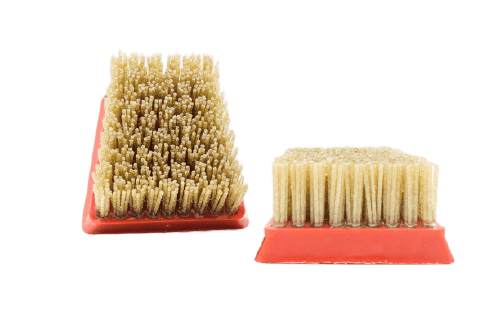


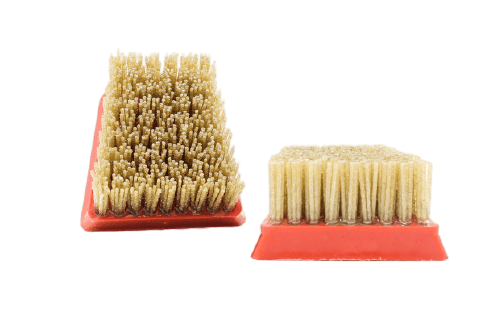
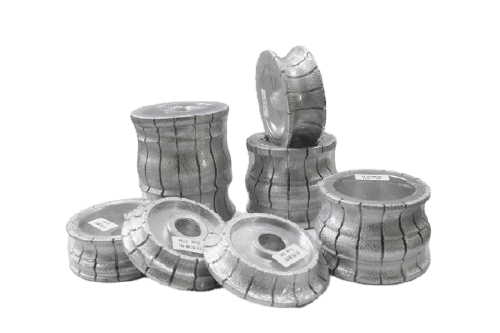
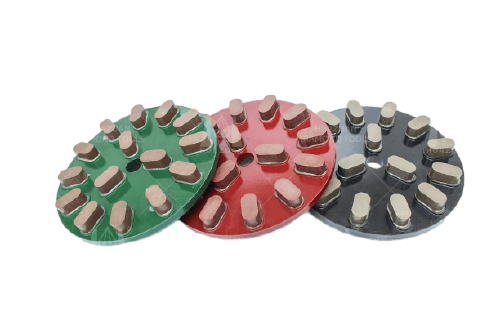
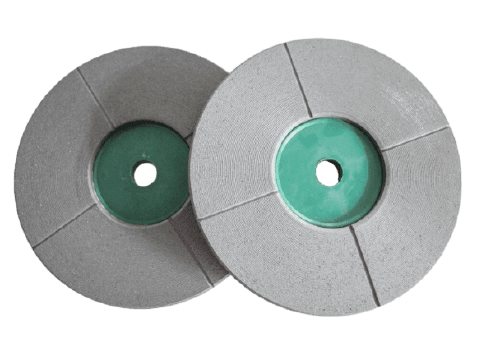
Diamond brushes for antique & leather stone finishes
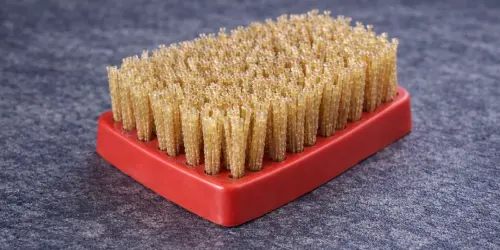
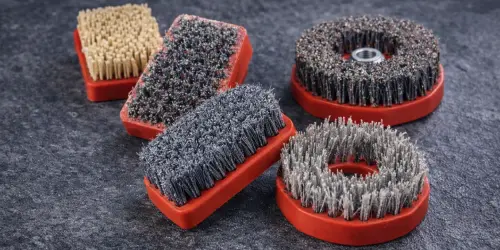
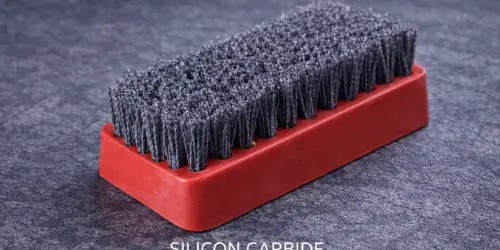
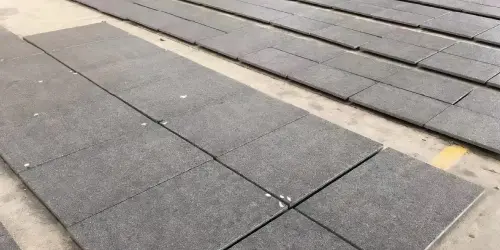
Dense granite needs aggressive yet controlled brushing to achieve a leathered texture without tearing out crystals or leaving swirl marks.
Diamond-impregnated filaments with selectable grits (24–1000#) provide consistent micro-cutting, and the Fickert/round options help match continuous lines or edge machines.
You get a uniform leather finish, fewer rework passes, and longer consumable life per slab—ideal for premium granite and hard quartzite jobs.
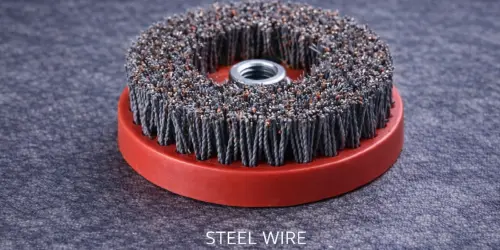
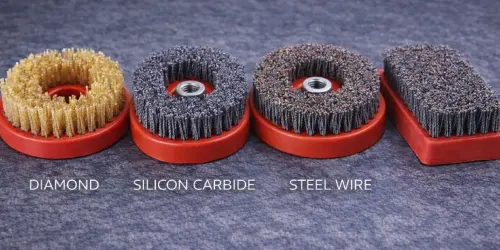
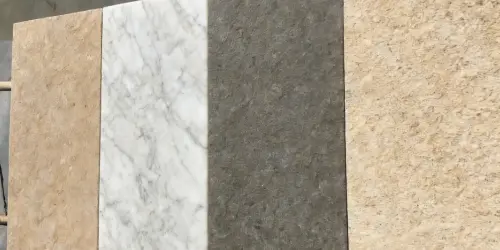
Marble and limestone bruise easily: heavy grinding can burnish the surface, while uneven brushing may highlight veins and create patchy gloss.
Using finer diamond filaments and higher grit steps helps level grinding marks and build an antique-to-satin look. Frankfurt brushes are often used on slab lines to keep contact stable.
The result is a softer, natural texture with fewer visible scratches and better consistency from tile to tile—without sacrificing throughput.


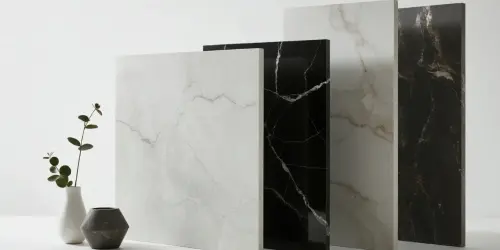
Quartzite is hard and abrasive, so sanding lines and tooling marks can remain visible after standard polishing—especially on light colors.
Step through medium-to-fine diamond brush grits to blend micro-scratches while keeping the surface slightly opened for a satin feel. Round brushes with snail-lock/M14 mounts work well for spot repair and edge areas.
You recover appearance faster, avoid over-polishing, and keep slabs within tolerance—reducing scrap and complaint risk on bright projects.

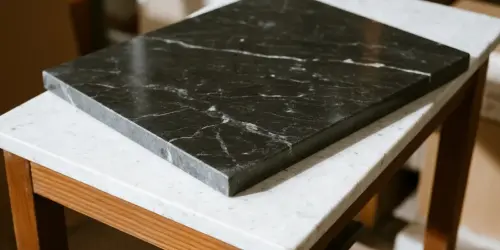
Engineered stone (quartz surfaces) is dense and resin-bound; aggressive abrasives can overheat or leave drag lines, especially near seams and cutouts.
Diamond abrasive filaments with balanced stiffness let you texture gradually and keep the pattern even. Use a controlled grit progression and match brush type (Fickert/Frankfurt/round) to your line or CNC step.
You achieve a premium soft-touch/leather look with repeatable gloss, fewer touch-ups, and lower finishing cost across batches.


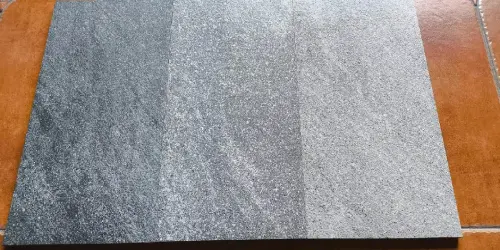
Flamed or bush-hammered stone has sharp peaks and loose grains that can snag, trap dirt, and cause uneven friction on stairs and outdoor paving.
Coarser diamond brush grits knock down high points, then finer grits smooth the feel while keeping pores open. Texture stays controllable, so you tune the surface without changing thickness.
You get a cleaner non-slip finish with less edge chipping, faster cleanup, and predictable results for safety-focused projects.
Specifications customizable upon request.
| Type | Material | Grit | Joint |
|---|---|---|---|
| Fickert | Silicon carbide / Diamond / Steel | 24# / 36# / 46# / 60# / 80# / 120# / 180# / 240# / 320# / 500# / 800# / 1000# | |
| Frankfurt | |||
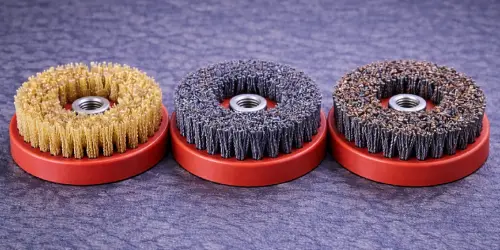
| Round | Snail holder / M14 etc. |
Leather Finishes, Faster—with Diamond Abrasive Brushes
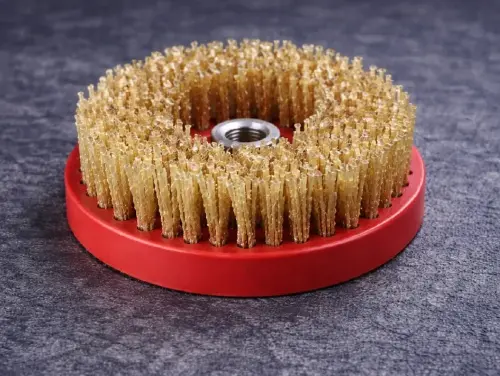
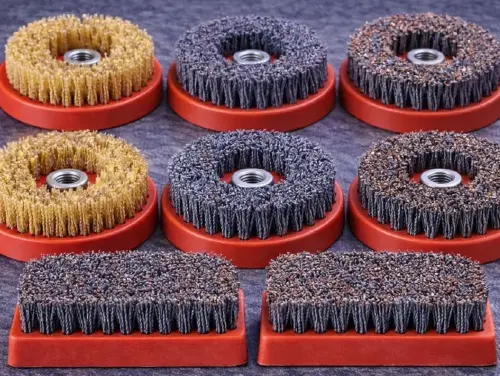
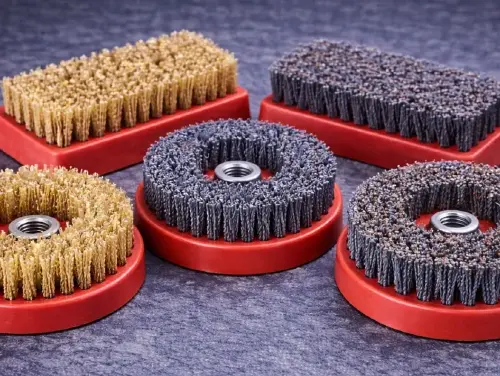
Diamond-impregnated filaments build texture evenly and help reduce swirl marks and touch-ups.
Controlled grit progression supports repeatable leather/antique looks from tile to slab.
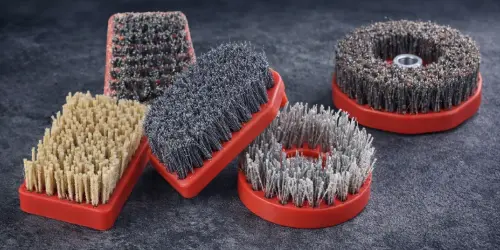
Fickert/Frankfurt/Round styles with snail-lock or M14 adapt to lines, edge machines, and grinders.
Wide Grit Range for Process Tuning
Select coarse-to-fine grits to open, blend, or refine texture without jumping steps.
Quick-Change Mount Options
Snail-lock and threaded mounts speed swaps and keep operators on rhythm.
Cleaner Surface, Better Grip Options
Brush texturing can soften peaks, reduce scratch visibility, and support non-slip finishes.
Common Questions About Diamond Abrasive Antique Brush for Stone
A diamond abrasive brush is used to texture stone surfaces—most commonly to create antique, leather, satin, or anti-slip finishes.
Compared with “grinding for flatness,” brushing is about surface feel and micro-texture: opening pores slightly, softening sharp peaks, and blending light marks so the finish looks intentional rather than “reworked.”
Typical jobs it solves:
Yes—granite is one of the most common materials for diamond brushing, but the result depends on process control, not just the brush.
To get a good leather finish on granite:
Start with a grit that can open the texture (too fine = no texture, too coarse = harsh scratches)
Step up 2–4 levels to even out the feel and reduce random scratch patterns
Keep pressure + feed + water stable (most “bad leather” finishes are actually instability problems)
What “good” looks like in production:
Texture is even across the slab, including around harder mineral zones
Surface feels soft, not “wire-scratched”
You don’t need extra touch-up passes to hide swirl marks
Choose the brush geometry based on machine head compatibility + contact stability + where you are brushing.
Fickert
Often used on continuous slab polishing lines
Good when you need stable wide contact on slab faces
Frankfurt
Also common on slab lines
Known for steady tracking and consistent contact on many line setups
Round
Best for edges, profiles, sink cutouts, spot repair
Common for handheld grinders or edge machines; easy to control locally
If you tell me:
1)your machine head type, 2) whether you’re brushing slab face or edges,
I can map you to the most stable option immediately.
There isn’t one universal sequence, but there is a reliable rule:
Antique finish = earlier stages define the texture more strongly
Leather finish = balance texture definition + smoother touch
A practical way to set it up:
Use 3–5 steps instead of “one brush does all”
Avoid big grit jumps (big jumps = random scratch patterns that are hard to blend)
How to pick starting grit:
If the stone is hard (granite/quartzite): start coarser to open texture efficiently
If the stone is softer (marble/limestone): start less aggressive to avoid bruising and patchy gloss
Your brochure range 24#–1000# is a good full ladder; in real production most lines won’t use all of them—usually a selected subset.
Swirl marks usually come from uneven contact or process instability, not “brush quality” alone.
Checklist that actually fixes it:
Contact: make sure the brush is fully contacting (no rocking / no partial edge contact)
Water: keep flow stable; low water often causes heat + smearing
Feed & pressure: don’t “force” a fine grit to do a coarse job
Add a bridge step: if you jump too far between grits, add one intermediate grit
Bristle density: too sparse can leave track patterns; too dense can overheat on resin-bound materials
If you tell me whether swirl appears more at center vs edges, I can pinpoint whether it’s head alignment/contact or grit jump.
They can blend light grinding marks and reduce the visibility of micro-scratches, especially when you use a sensible grit progression.
But they’re not a substitute for correcting deep tooling lines or major flatness issues.
Rule of thumb:
Light marks / haze / micro-scratches → brushing can blend and “convert” the surface into a controlled texture
Deep grooves / heavy lines → fix with the correct grinding step first, then brush to finish
This is why the best results come from thinking in a process chain (grind → refine → brush), not “one consumable solves everything.”
From your catalog: common options include snail holder (quick-change) and M14 thread.
Practical pairing:
Polishing lines / standard heads: use the mount style that matches the line’s head system (often Fickert/Frankfurt interfaces)
Handheld grinders & edge work: M14 is common for round brushes
If changeover time matters, quick-change systems (like snail-type holders) help reduce downtime
If you send a photo of your current mount/head, I can confirm compatibility in one glance.
To quote accurately (and avoid wrong specs), I’d ask for these basics:
Stone type (granite / marble / limestone / quartzite / engineered stone)
Target finish (antique / leather / satin / non-slip)
Machine (polishing line / edge machine / handheld)
Brush type needed (Fickert / Frankfurt / Round)
Mount (snail holder / M14 / other)
Desired grit steps (or tell us current process and we propose a ladder)
Optional but very helpful:
Slab size + throughput (m²/day)
Current pain point (swirl, inconsistency, short life, cost per slab)
With that, you can quote per step and propose a predictable finishing cost plan instead of a vague “per brush” price.
Replace it when it stops producing a consistent texture efficiently—not only when it “looks worn.”
Production signs it’s time:
Texture becomes patchy or uneven across the slab
You need noticeably more passes to reach the same finish
The brush starts “polishing” instead of cutting (surface gets unwanted gloss / smearing)
A simple, practical method:
Track how many passes it normally takes on a stable stone batch
If the same finish takes ~30–50% more passes, performance has dropped enough that cost per slab is rising
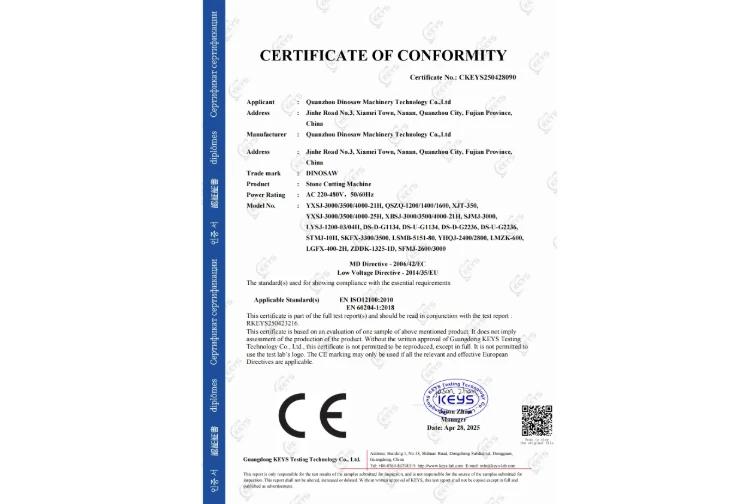
CE Certification
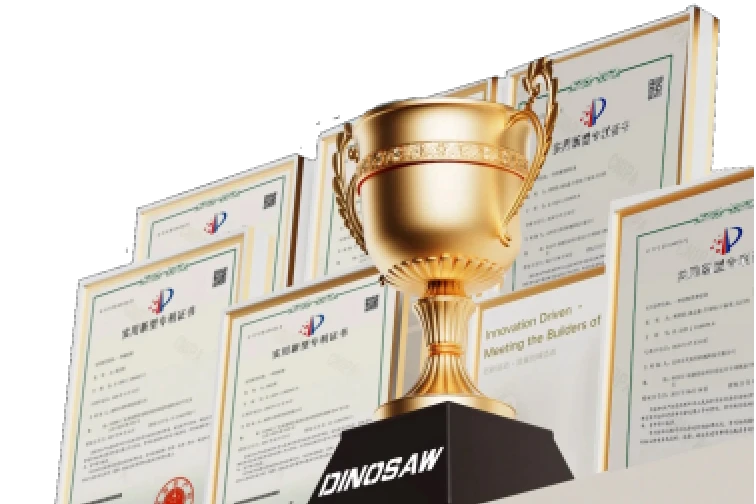
100+ Tech Patents
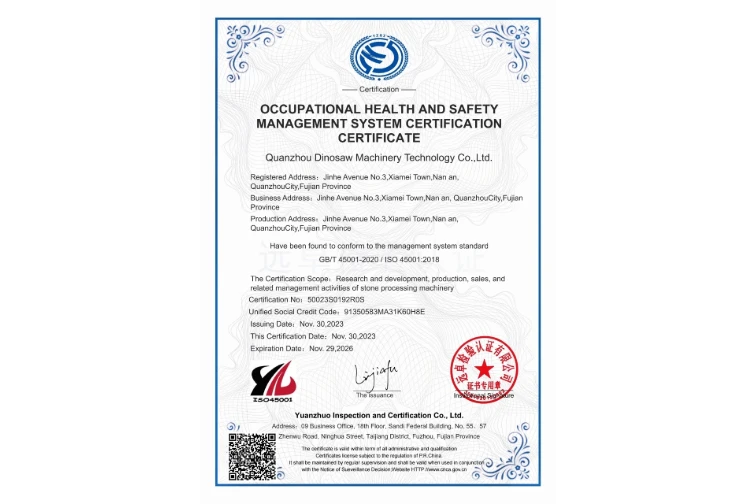
ISO 9001:2015
Industry Standards
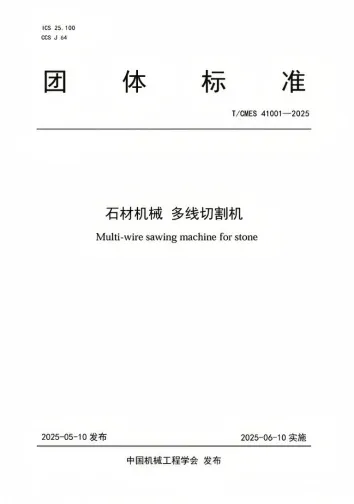
DINOSAW goes beyond merely complying with international engineering standards—we actively lead their formulation. As the principal drafter of key industry benchmarks for Stone Multi-Wire Saw Machines, CNC Wire Saw Machines, and Bridge Saws, we define the rules of precision manufacturing. Backed by ISO 9001, CE certification, and 100+ technology patents, our products guarantee exceptional durability and safety in the most demanding high-load environments.

75+
Countries Served Worldwide

20+
Industry machinery expertise
Trusted by clients in over 75 countries, DINOSAW delivers lifecycle quality traceability and specialized technical support across 20+ machinery sectors. From traditional mining and stone processing to high-precision manufacturing (semiconductors, quartz glass) and specialized fields like nuclear decommissioning, our comprehensive solutions consistently meet the world's most rigorous operational requirements.
Complete Production Solutions & Equipments
Choose equipment combinations for your product needs to establish efficient automated production lines and maximize profitability.
DINOSAW manufactures and supplies industrial CNC machinery. Our equipment is specifically built to process hard and brittle materials with high precision, including natural stone, refractory bricks, quartz glass, graphite, and fiberglass (FRP).
Buy directly from our factory to eliminate middleman markups. We provide processing plants with heavy-duty machines at factory-direct prices, helping you lower equipment costs and shorten your payback period.
We offer profitable wholesale programs for global distributors. For specialized applications, our engineering team provides OEM/ODM customization—adjusting machine dimensions, motor power, and CNC parameters to fit your exact material workflow.

 English
Get A Easy Solution
Chat Online
Hi, this is Lizzy from Dinosaw ( Not a Robot ). Which Machine ( model ) do you want? Please WhatsApp us now
Hello 👋 How can we help?