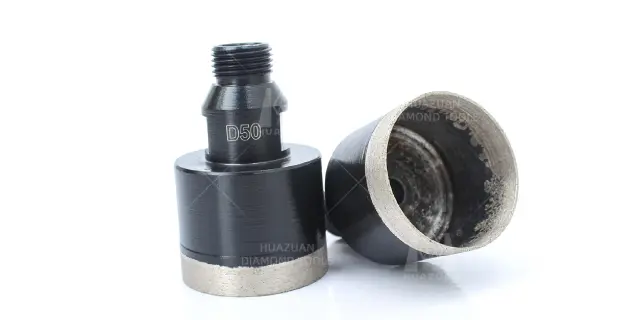
Diamond Core Drill Bits for Precision Drilling

Customizable
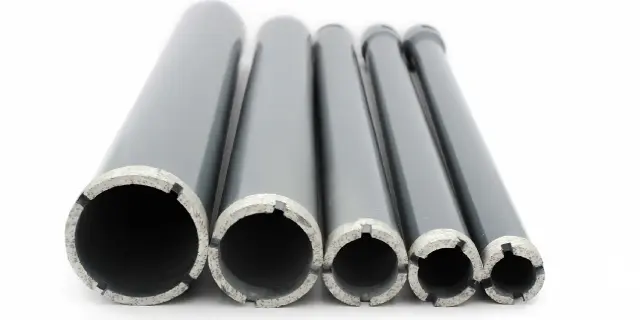
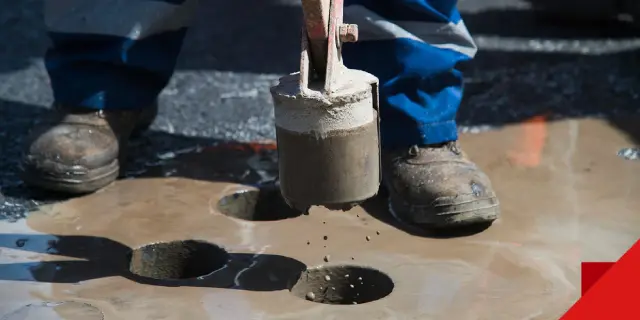
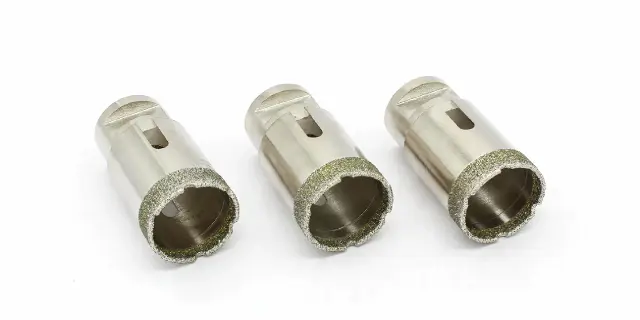
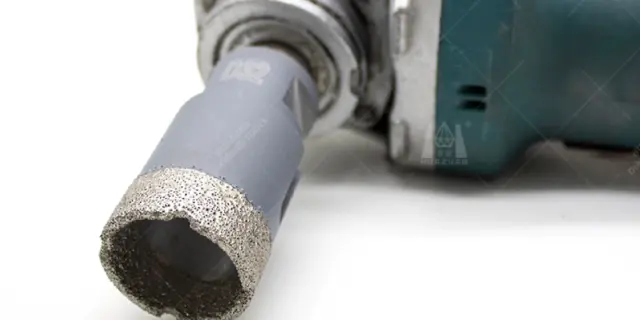
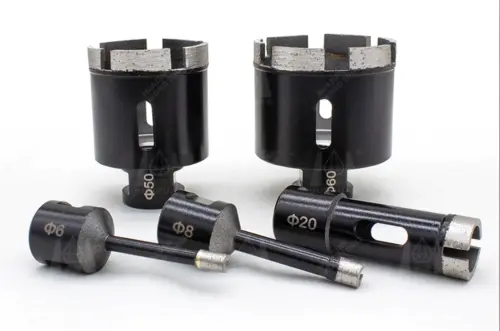
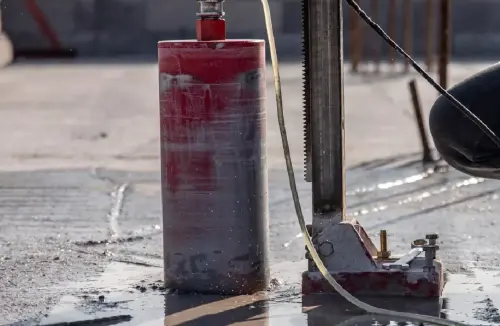
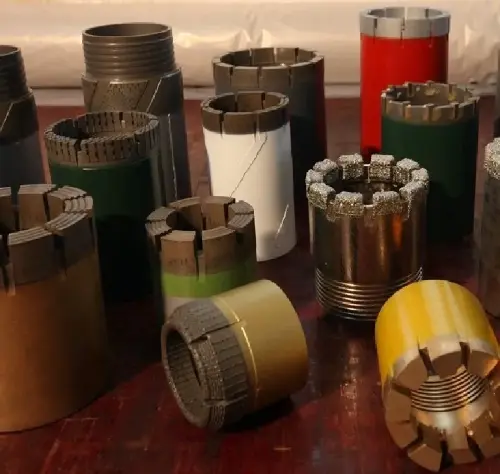
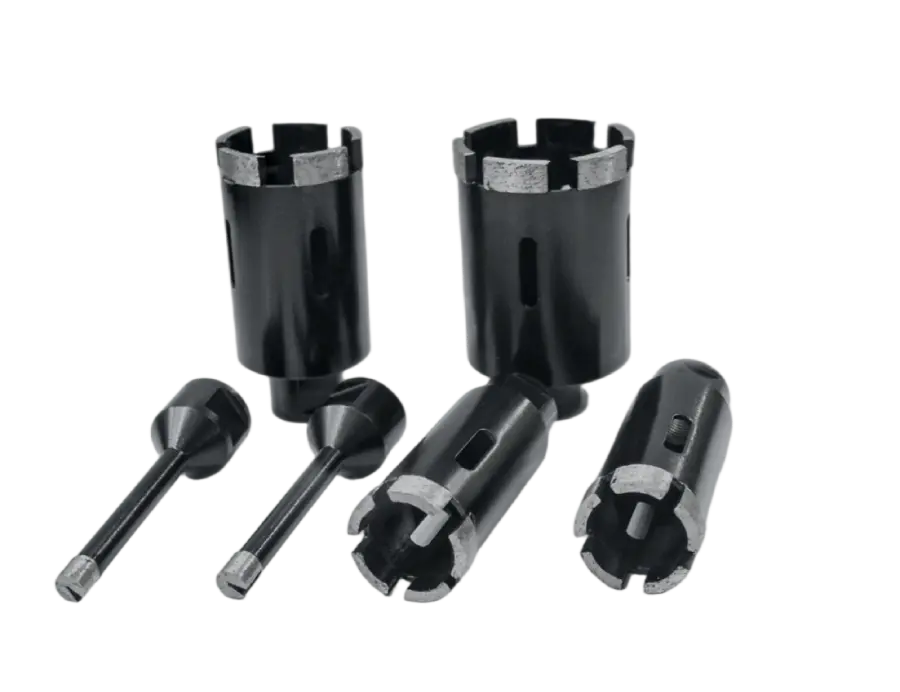
DINOSAW core drill bits make precise holes in marble, granite, quartz, ceramic tiles, dekton, concrete, and other materials. Available in dry and wet options for clean cutting and longer tool life. Their optimized matrix hardness delivers efficient cutting and durability. For geological exploration, stone quarrying, engineering inspection, core sampling, and construction projects. Compatible with DTH drills, impact drills, CNC drilling machines, bench drills, and angle grinders.
Material-Matched BondMatrix hardness selected for stone, quartz, ceramic, Dekton, concrete or glass
Dry + WetSite drilling or water-cooled shop production
Clean HolesConcentric cutting for faucets, drains, anchors and fittings

Applicable Materials

Marble, granite, quartz, ceramic tile, Dekton, concrete and glass

Certifications & Credentials

CE Certified · ISO 9001:2015 · Industry Standard Drafting Participant · 120+ Countries & Regions Served

Compatible Materials & Products

Advanced Core Drilling for Stone Quarrying, Testing & Industrial Use

Real Drilling Performance & Key Metrics

DINOSAW diamond core drill bits are a material-matched hole drilling system: bond and rim geometry selected per material class, dry and wet constructions, and continuous or segmented rims for hole quality from fitting-critical to production-rate.

7 Materials

Material-Specific Range

One bit family covers marble, granite, quartz, ceramic tile, Dekton, concrete and glass: fabricators drill every hole on the job with one inventory program.

Dry / Wet

Two Drilling Modes

Wet bits run water-cooled on drills and core machines for maximum life; dry bits run on grinders where water is impractical — the site decides the mode.

Continuous / Segmented

Rim Options

Continuous rims cut the cleanest walls for visible holes; segmented rims remove stock faster in thick material — the rim follows the hole's role.

Custom Sizes

Diameter & Length to Application

Bits are configured per diameter and length requirement — hole size, material thickness and machine interface define the bit, not a catalog average.

Applicable materials: Marble, granite, quartz, ceramic tile, Dekton, concrete and glass.

Typical applications: Faucet and drain holes in countertops, anchor and fixing holes, sample cores, and installation drilling on site and in the shop.

Actual bit life varies with material hardness, drilling speed, pressure and cooling — compare bits within the same material class.

Specs and options

Core bits are customizable in diameter and length, in dry and wet constructions with continuous or segmented rims, and arbors adapted to drills, grinders and core drilling machines. Specify material, hole diameter, workpiece thickness and machine when ordering.

DINOSAW offers a comprehensive range of core drill bits for different materials, applications, and drilling methods. Available in both dry and wet drilling options with various diameters and lengths to meet your specific requirements. Contact us directly for detailed specifications and customized solutions.

Compatible Accessories: Drill bit segments, Drill bit connectors, Extension rods, Hilti quick-connect adapters

Compatible Core Drilling Brands: Hilti, Husqvarna, Makita, Bosch, Dewalt, Weka, CS Unitec, DINOSAW and more

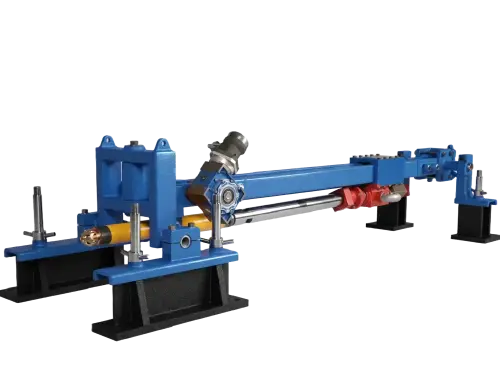
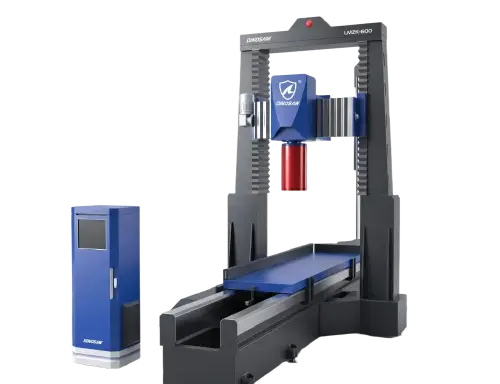
Related Drilling Machine: Gantry stone drilling machine, DTH (Down-The-Hole) drill

Core Technology & Bit Structure

Four engineering decisions behind the core bit range. The numbered points on the bit diagram correspond to the systems below.

Dinosaw machine Diamond Core Drill Bits for Precision Drilling

Core Drilling Workflow

A drilling job follows four steps: mark and start the hole at low speed with light pressure, establish the kerf then raise to working speed, drill with steady pressure and continuous cooling (wet bits) or managed pauses (dry bits), then break through gently at the exit to avoid breakout.

01

Material-Matched Matrix

The bond controls how quickly worn diamond is released: softer or less abrasive materials need stronger retention; hard, abrasive materials need the bond to expose fresh diamond sooner. The correct matrix keeps the bit cutting instead of glazing or wearing away prematurely — the matrix match is the bit's core technology.

02

Dry Bit Engineering

Dry constructions are built for grinders and installation work where water cannot be used: bond and rim design manage the heat regime, with short drilling pauses where the material demands — dry and wet are different engineering paths, not the same bit without water.

03

Wet Bit Cooling

Wet bits use water at the cutting edge for cooling and slurry removal: bit life extends substantially against dry drilling under comparable conditions, and hole walls run cleaner — wet is the shop production default wherever water supply exists.

04

Concentric Hole Quality

Core straightness, segment mounting and arbor fit determine concentricity: a bit running true produces round fitting holes, while spindle or bit runout shows up immediately as oval holes, wall chatter and exit breakout — concentricity is the fitting-quality foundation.

05

Continuous vs. Segmented Selection

Continuous rims serve visible, fitting-critical holes where wall finish is inspected — tile, quartz, porcelain; segmented rims serve production speed in thick material where walls hide. The selection follows the hole's role in the product, and many shops stock both.

06

Machine Interface Range

Arbor and thread options cover drills, angle grinders and core machines: the bit fleet follows the tool fleet, and specifying the machine at order time delivers the correct interface first time.

Material-Matched vs. Universal Core Bits

A selection comparison for drilling across stone and concrete.

Material-Matched vs. Universal Core Bits
Universal BitVSMaterial-Matched Bit
Soft bond wears fastSoft material✓ Stronger retention
Hard bond glazesHard material✓ Controlled fresh-diamond exposure
Unpredictable per materialBit life✓ Engineered per class
Varies with glazingHole quality✓ Consistent wall finish
Occasional mixed drillingBest for✓ Fabrication & installation fleets

Note: configurations vary by brand and model; actual performance depends on the specific machine, material and working conditions.

The Manufacturer Behind the Core Bit Range

DINOSAW is a manufacturer of CNC stone processing machinery, specializing in diamond wire saw machines and CNC stone cutting equipment. With more than 20 years of R&D and manufacturing experience, DINOSAW contributes to industry standards including T/CMES 41001-2025 for CNC wire saw machines, holds 100+ technical patents, and supplies equipment and technical support to customers in 120+ countries and regions. Its manufacturing and management systems are certified to ISO 9001, ISO 14001 and ISO 45001, with CE-compliant machinery for international markets.

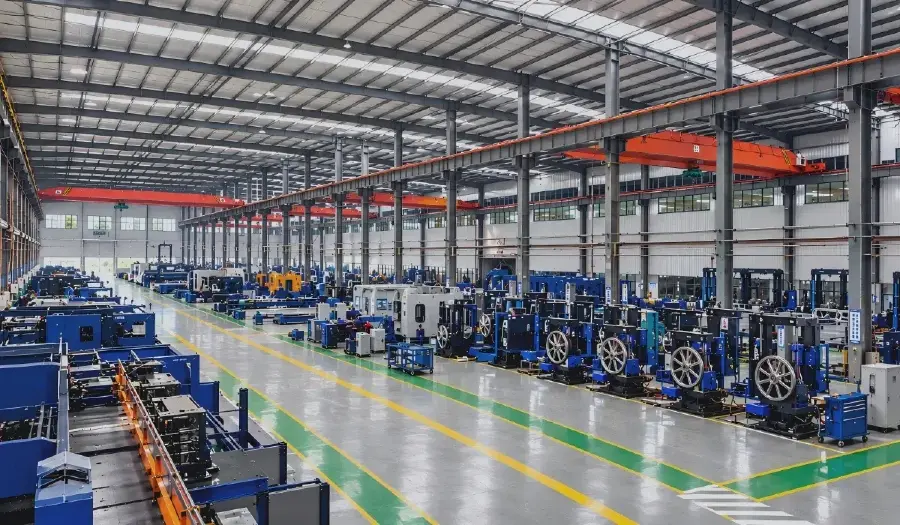
DINOSAW CNC stone machinery manufacturing workshop
DINOSAW R&D & ManufacturingMechanical Design · CNC Control Development · Assembly · Testing · Commissioning · Global Delivery
Industry Standard Drafting

DINOSAW contributes to industry standards for stone machinery, including T/CMES 41001-2025 for CNC wire saw machines, as well as standards covering multi-wire saws, combined wire saw machines and five-axis bridge cutting equipment. This work reflects the company’s long-term involvement in machine design, manufacturing, testing and quality control.

20+Years of Stone Machinery R&D & Manufacturing Experience
100+Technical Patents — Covering machine structures, CNC control, cutting systems and stone processing technologies
120+Countries & Regions Served — Equipment, installation and technical support worldwide

CE Compliance & ISO Management Systems

CE: Stone cutting machinery assessed against Machinery Directive 2006/42/EC and relevant EN standards.
ISO: Management systems certified to ISO 9001, ISO 14001 and ISO 45001.

Ordering Requirements & After-Sales Support

DINOSAW provides bit selection per material and drill type, with consistent batch supply for fabrication shops.

Tool FitArbor per drill/grinder/core machine

Specify machine model and thread when ordering.

CoolingWater for wet bits; pauses for dry

Match cooling regime to bit type and material.

SpeedPer diameter chart

Larger diameters run lower RPM.

01 · Pre-Shipment & DeliveryMachine configuration, packaging and transport requirements confirmed before dispatch, with factory inspection and documents verified.
02 · Installation & CommissioningOn-site utilities and foundation check, machine positioning, commissioning and acceptance.
03 · Operator TrainingHands-on training covering routine CNC operation and daily checks of blades, spindles, cooling and lubrication.
04 · After-Sales SupportRemote technical assistance, maintenance support and spare parts coordination throughout the machine's service life.

Diamond Core Drill Bit Selection & Use FAQ

Common Questions About Diamond Core Drill Bits

A core drill bit is a specialized drilling tool with these key characteristics:

• Design: Hollow cylindrical shape that creates circular holes while preserving the central core

• Function: Allows intact material samples to be collected during drilling

• Construction: Features diamond-embedded segments that provide cutting power and durability

• Applications: Ideal for geological exploration, stone quarrying, engineering inspection, and core sampling

• Best Materials: Especially effective for moderately hard materials like marble, granite, concrete, glass and engineered stone with Mohs hardness between 4-6

Core and non-core drill bits differ in fundamental design and application purposes:

• Core Drill Bits:

- Hollow center design that preserves material samples

- Material fills the central void during drilling - Ideal for material testing and sample collection

- Recommended for harder materials (Mohs hardness 4-6)

• Non-Core Drill Bits:

- Solid center with cutting blades

- Completely pulverizes material during drilling

- Debris removed by water flushing

- Highly efficient for softer materials (Mohs hardness below 4.5)

• Selection Guidance: Choose based on material hardness and whether sample preservation is required

Selecting the right core drill bit involves these key considerations:

Starting Point:

• Begin with a 25-degree matrix hardness bit as baseline

• Observe performance during initial drilling

Adjustment Guidelines:

• If diamond particles don't expose properly → Switch to a softer matrix bit

• If diamonds fall out too quickly → Use a harder matrix bit

Material-Specific Selection:

• Hard materials (granite) → Use soft matrix bits

• Softer materials (limestone, marble) → Use harder matrix bits

Other Factors: Consider machine type, rotation speed, pressure, water flow, and operator technique

Core drill bit threading varies based on specific applications:

Threading Types:

• Some core drill bits use reverse (left-hand) threading

• These are primarily designed for machines where rotation might loosen standard threads

General Guidelines:

• Handheld core drills → Typically use standard right-hand threads

• Larger machine-mounted core bits → May use reverse threading for operational security

Identification Methods:

• Check manufacturer's specifications

• Look for markings on the bit connection

• When unsure, try turning counterclockwise first when attempting to loosen the bit

To safely change core drill bits, follow this systematic process:

Preparation:

1. Ensure the machine is completely stopped and disconnected from power

2. Allow the bit to cool if recently used

Removal & Installation:

3. Use appropriate wrenches - one to hold the spindle and another for the bit

4. Check for reverse threads (refer to manufacturer specifications)

5. Clean mounting threads before installing the new bit

6. Hand-tighten first, then secure with wrenches without over-tightening

Final Safety Checks:

7. Verify alignment before starting

8. Test with minimal pressure initially to ensure proper installation

Diamond core drill bits require specialized maintenance rather than traditional sharpening:

Regular Maintenance:

1. Clean thoroughly after each use to remove debris

2. Store in a dry environment to prevent corrosion

3. Inspect water ports and clear any blockages

Performance Restoration:

4. Core bits are typically not sharpened - instead, replace worn segments while preserving the core body

5. Professional segment replacement involves re-welding new diamond segments (cutting heads) to the existing bit body

6. For minor wear, "dress" the bit by drilling into abrasive material to expose fresh diamonds

Operational Best Practices:

7. Maintain proper cooling during operation to extend segment life

This segment replacement approach is more cost-effective than replacing entire bits while ensuring optimal cutting performance.

When a core drill bit becomes stuck, follow this procedure:

Immediate Actions:

1. Stop the machine immediately and disconnect power

2. Apply penetrating oil around the bit where it enters the material

3. Use reverse rotation if your drill supports it

4. Gently tap the bit with a rubber mallet while applying reverse pressure

For Severe Cases:

5. Use specialized extraction tools or seek professional assistance

Prevention Tips:

• Maintain adequate water flow during drilling

• Use appropriate speed and pressure for the material

• Ensure the bit is suitable for the material being drilled

Three selections, in order. Material class first: this determines the matrix — stronger retention for soft materials like marble, ceramic and young concrete, faster diamond exposure for hard materials like granite, quartz and Dekton. A bit run backwards from its material class either glazes without cutting or wears out in a few holes. Condition second: wet bits wherever water is available and manageable — bit life extends substantially against dry under comparable conditions; dry bits for installed tops, interiors and sites where water cannot go. Rim type third: continuous rim for visible, fitting-critical holes where wall finish is judged; segmented rim for production speed in thick stock where walls hide. Specify material, diameter, workpiece thickness and machine to DINOSAW, and the matrix, rim and arbor arrive matched — the combination, not any single feature, is what makes a bit cut well.

The bit is glazing: the bond has polished over the diamond instead of wearing away to expose fresh cutting points, and the bit is now burnishing the hole wall rather than cutting it. The usual causes, in order: a bond too hard for the material — hard, non-abrasive stone like dense quartz or porcelain cannot wear the bond fast enough; too little feed pressure — spinning without biting generates the heat that glazes the surface; and worn segments past their working life. Recovery: increase feed to make the diamond work, or open the rim with a few passes in soft abrasive material like sandstone or green concrete. Prevention: match the matrix to the material class at purchase — a bit that glazes repeatedly on your material is telling you the bond is wrong for the class, which is a specification fix, not an operator fix.

Breakthrough chips are an exit-dynamics problem. In the last millimeters of the cut, the remaining material thins and flexes: if feed pressure stays constant, the bit pushes through and tears the exit edge instead of cutting it; if the workpiece is unsupported underneath, the core drops and pulls material with it. The fixes: reduce feed pressure through the final 10–20 mm of depth, support the exit side so the core cannot drop freely, and keep the bit running true — a wobbling bit breaks out worse than a sharp one. On visible holes, stop just short of breakthrough and finish from the reverse side where access allows: the two-side approach leaves both faces clean. If breakout persists across bits on the same material, check bit concentricity and spindle runout — the machine setup is the variable, not the material.

Installed work points to dry; shop production points to wet. On installed countertops, interiors and occupied spaces, water creates more problems than it solves — containment, cleanup, damage to cabinetry and finishes — so dry bits on grinders are the standard, with dust extraction managing the debris and short drilling pauses managing heat. Accept that dry drilling consumes bits faster and plan the inventory accordingly. In the shop, wet drilling on drills or core machines extends bit life substantially under comparable conditions and leaves cleaner walls, so production holes run wet wherever water supply exists. Many fabricators stock both: dry sets in the installation van, wet sets at the shop machines — the same material-matched matrix program serves both modes.

Contact Dinosaw

Specify a Core Bit for Your Material & Machine

Are you looking for the perfect cutting machines or processing solutions for hard and brittle materials?

Facing challenges in stone quarrying, countertop cutting, concrete and underwater pipeline cutting, stainless steel rust removal and grinding, luxury thin slab cutting, agate and gemstone cutting, graphite cutting, or even building demolition?

Leave your inquiry, and you can expect a reply within 12 hours with tailored solutions!

Prefer email?

You can also reach us at

gma@dinosawmachine.com
Diamond Core Drill Bits for Precision Drilling

What materials will you be working with? *

Your Name / Company Name? *

Phone Number / Email Address? *

+86

What specific requirements do you have?

Core Bit Guides & Related Equipment

Selection guides and related equipment for stone drilling and core extraction.

Get A Easy Solution

Chat Online
Ms.Lizzy

Hi, this is Lizzy from Dinosaw ( Not a Robot ).  Which Machine ( model ) do you want? Please WhatsApp us now

WhatsApp Chat Now
Contact Us

Hello 👋 How can we help?