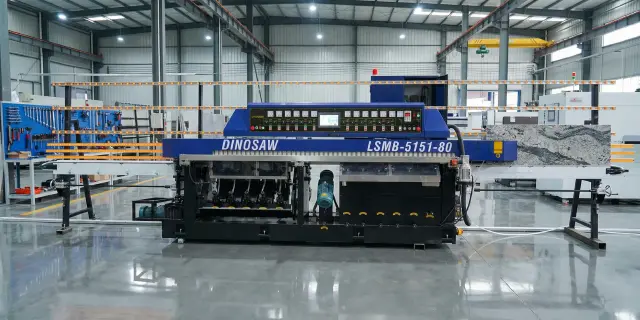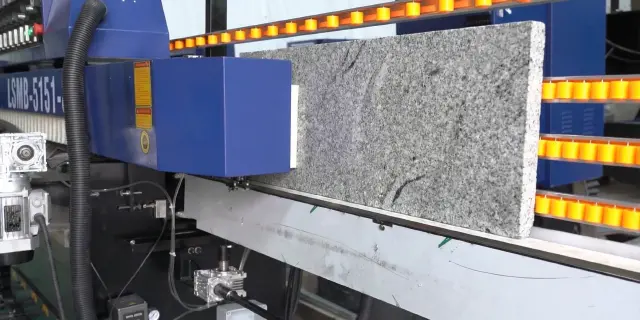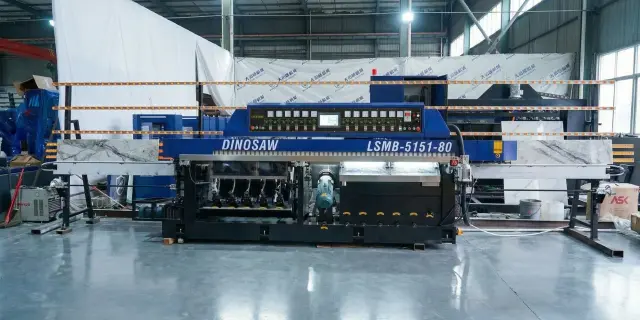
Multi-Purpose Glass Edging Machine for Glass & Stone

LSMB-314/80
Glass edging machine uses diamond tools: grinding wheels, polishing discs, cutting blades. Performs edge polishing, chamfering, grooving for 10-80mm thickness with ±0.1mm precision. CNC system ensures simple operation and consistent results. Processes glass, marble, granite, quartz. Creates architectural glass, countertops, shower doors, decorative panels. Automation reduces processing time 40% while maintaining superior edge quality.
Shape + 3 PolishOne conveyor pass from edge profiling to finished polish
≤120 mmFrom thin glass panels to thick countertop and architectural stone
Glass + StoneOne platform for glass, marble, granite and quartz with wheel changes

Applicable Materials

Glass, marble, granite and quartz

Certifications & Credentials

CE Certified · ISO 9001:2015 · Industry Standard Drafting Participant · 120+ Countries & Regions Served

Compatible Materials & Products

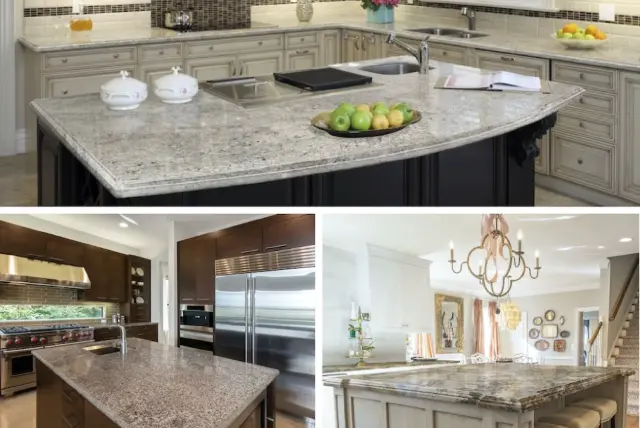
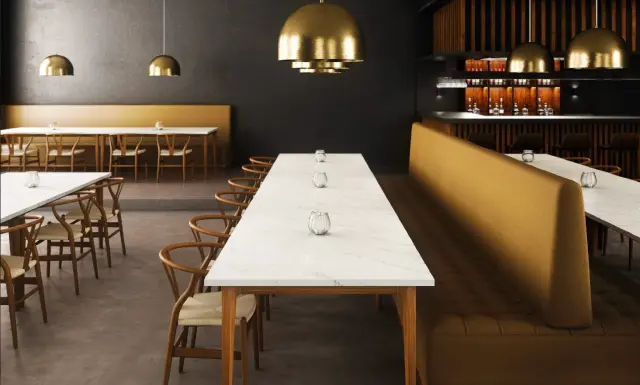
Edge shaping and polishing for glass panels, stone countertops and architectural workpieces on one conveyor platform.

Real Edging Performance & Key Metrics

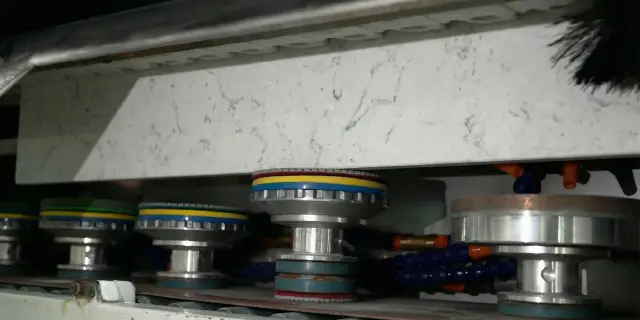
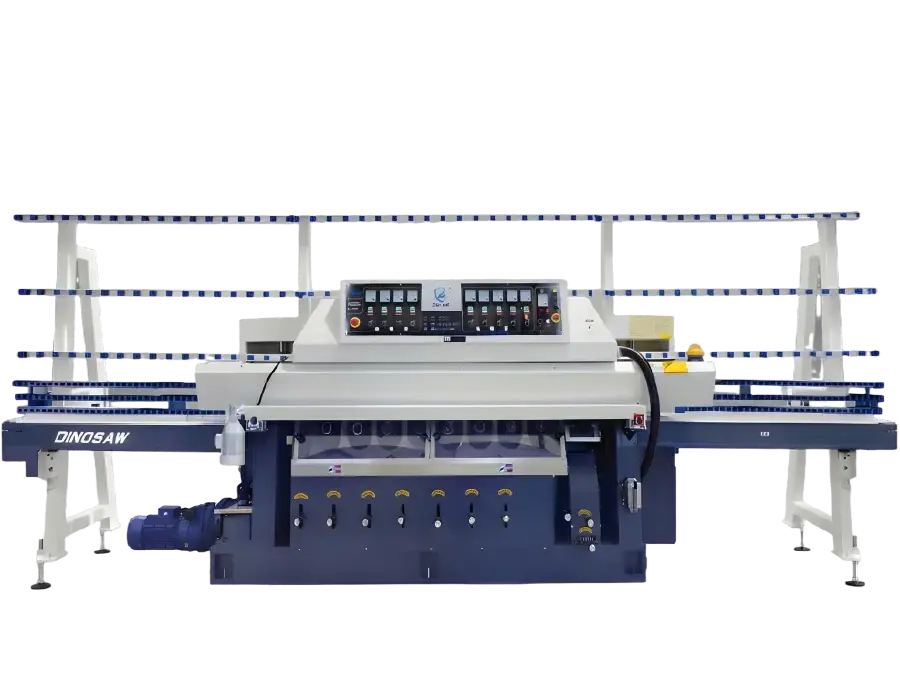
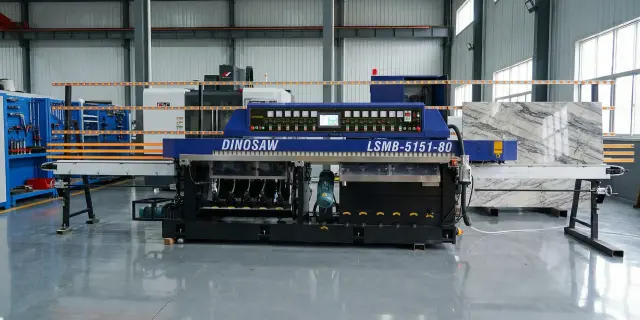
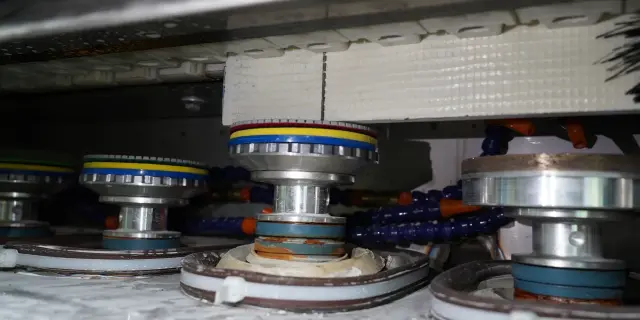
The LSMB-314/80 is a continuous edge-finishing platform: one shaping wheel forms the edge profile and three polishing wheels refine it as the workpiece travels the conveyor — one pass from raw edge to finished polish on glass, marble, granite and quartz.

1 + 3 Wheels

Single-Pass Sequence

The first station forms the edge profile and three polishing stations refine it progressively before the workpiece exits — no secondary polishing station, no re-handling between shape and finish.

≤120 mm

Thickness Range

The machine edges workpieces up to 120 mm thick — thin glass panels and thick stone slabs share one platform with parameter changes.

Glass + Stone

Dual-Material Platform

Change wheel specification and process parameters to run glass, marble, granite or quartz on the same mechanical platform — one edging cell instead of two single-material machines.

1500–4000 mm/min

Installed Power

Conveyor running speed from 1500 to 4000 mm/min: actual edge processing speed is set by the operation sequence, material and wheel setup.

Applicable materials: Glass, marble, granite and quartz.

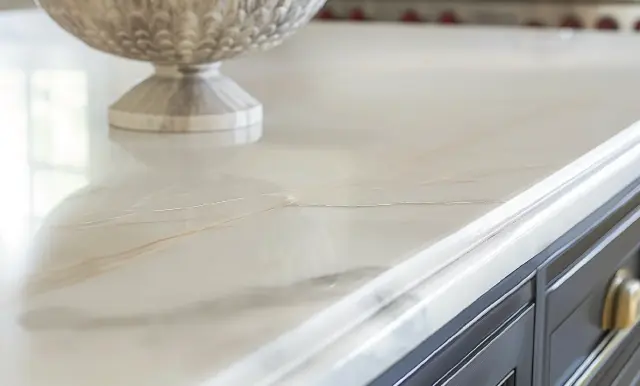
Typical products: Kitchen countertop edges, cabinet surfaces, commercial table tops, glass furniture and architectural panels with shaped polished edges.

Actual edge processing speed varies with material hardness, edge profile and wheel condition.

Specs and options

The LSMB-314/80 processes workpieces to 120 mm thick on a conveyor with 1500–4000 mm/min running speed: one Ø150–180 mm shaping wheel forms the profile, three Ø150–180 mm polishing wheels refine it, and four-point workpiece guidance stabilizes the pass. Actual edge processing speed depends on the operation, material and wheel setup. Total power 45 kW.

ModelUnitLSMB-314/80
Working thicknessmm≤120
Speed (mm/min)mm/min10 - 80
Conveying belt speed (mm/min)mm/min1500 - 4000
Number of pulleyspc2
Number of shaping wheelspc1
Number of polishing wheelspc3
Number of pulley - related (size - indicating) elementspc4
Diameter of shaping wheelmm150
Diameter range of shaping wheelmm150 - 180
Diameter range of polishing wheelmm150 - 180
Total powerkw45
Water consumptionL/min1000
Overall dimension (Length×Width×Height)mm7500x1200x2200
Weightt4

Core Technology & Machine Structure

Four engineering decisions behind the edging platform. The numbered points on the machine diagram correspond to the systems below.

Dinosaw machine Multi-Purpose Glass Edging Machine for Glass & Stone

Edge Processing Workflow

An edging run follows four steps: set the edge speed and wheel positions for the material, load the workpiece onto the conveyor, pass through shaping then three polishing stations in one travel, then unload the finished piece — batch work repeats with stored settings per material.

01

Single-Pass Shape & Polish

The shaping station forms the edge profile and three polishing stations refine it as the workpiece travels: one pass delivers a finished edge — the edge leaves the machine complete instead of queueing for a second operation.

02

Dual-Material Capability

The stations accept wheel sets specified for glass or for stone; edge speed, water flow and contact pressure then adapt per material. A shop edging glass tops and granite countertops buys one cell, stocks two wheel sets, and switches production by changing wheels and recalling the stored parameter set.

03

Four-Point Workpiece Guidance

Multiple guide and support elements hold the workpiece position through shaping and polishing: edge angle and profile stay consistent along the full pass — the difference between a uniform edge and visible waviness.

04

Variable Conveyor Speed

The conveyor runs at 1500–4000 mm/min with production rate following the material and operation: the running speed is the machine's transport pace, while per-edge processing time is set by the shaping and polishing sequence.

05

Continuous Conveyor Production

Pieces feed one after another through the same shaping and polishing sequence: edge quality stays uniform across the batch, and edging joins the production flow instead of becoming an isolated station.

06

Integrated Water Cooling

The integrated water system cools wheels, controls dust and carries slurry away from the edge zone: wheel life extends and the finished edge stays clean through the polish stages.

Continuous Edging Machine vs. Manual Edge Profiling & Polishing

A production-model comparison for countertop and furniture edge producers.

Continuous Edging Machine vs. Manual Edge Profiling & Polishing
Manual Profiling & PolishingVSLSMB Edging Machine
Separate shaping then polishingProcess stages✓ Shape + 3 polish in one pass
Operator-dependent along the edgeEdge consistency✓ Guided continuous profile
Re-handle between operationsRepositioning✓ Conveyor flow
Immediate, no setupOne-off flexibility✓ Best for repeat work
LowerInitial investment✓ Higher batch productivity

Note: configurations vary by brand and model; actual performance depends on the specific machine, material and working conditions.

The Manufacturer Behind the LSMB Series

DINOSAW is a manufacturer of CNC stone processing machinery, specializing in diamond wire saw machines and CNC stone cutting equipment. With more than 20 years of R&D and manufacturing experience, DINOSAW contributes to industry standards including T/CMES 41001-2025 for CNC wire saw machines, holds 100+ technical patents, and supplies equipment and technical support to customers in 120+ countries and regions. Its manufacturing and management systems are certified to ISO 9001, ISO 14001 and ISO 45001, with CE-compliant machinery for international markets.

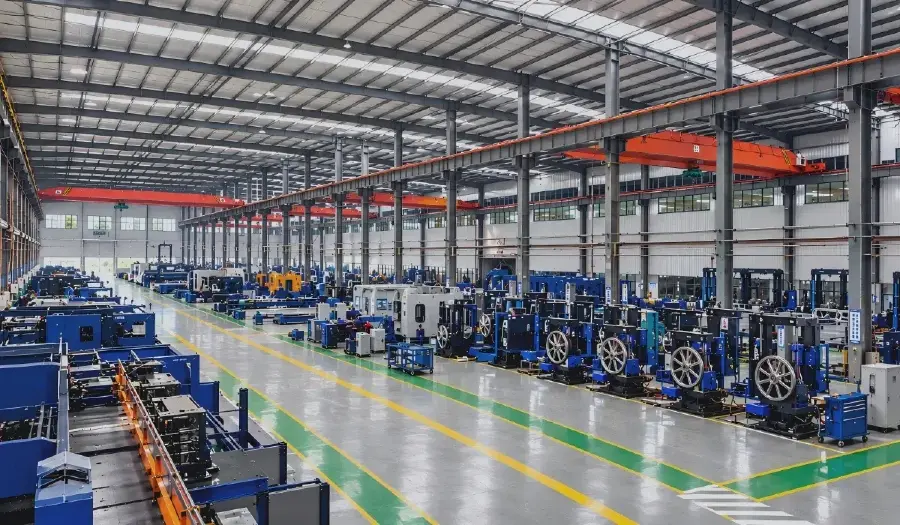
DINOSAW CNC stone machinery manufacturing workshop
DINOSAW R&D & ManufacturingMechanical Design · CNC Control Development · Assembly · Testing · Commissioning · Global Delivery
Industry Standard Drafting

DINOSAW contributes to industry standards for stone machinery, including T/CMES 41001-2025 for CNC wire saw machines, as well as standards covering multi-wire saws, combined wire saw machines and five-axis bridge cutting equipment. This work reflects the company’s long-term involvement in machine design, manufacturing, testing and quality control.

20+Years of Stone Machinery R&D & Manufacturing Experience
100+Technical Patents — Covering machine structures, CNC control, cutting systems and stone processing technologies
120+Countries & Regions Served — Equipment, installation and technical support worldwide

CE Compliance & ISO Management Systems

CE: Stone cutting machinery assessed against Machinery Directive 2006/42/EC and relevant EN standards.
ISO: Management systems certified to ISO 9001, ISO 14001 and ISO 45001.

Installation Requirements & After-Sales Support

DINOSAW provides installation guidance, operator training, remote diagnosis and spare-parts coordination for every machine.

FootprintConveyor line layout

Allow infeed and outfeed access along the conveyor.

Power Supply45 kW total, configured per destination

Voltage confirmed against local standards before shipment.

Water Supply1000 L/h

Wheel cooling and slurry transport; recycling recommended.

01 · Pre-Shipment & DeliveryMachine configuration, packaging and transport requirements confirmed before dispatch, with factory inspection and documents verified.
02 · Installation & CommissioningOn-site utilities and foundation check, machine positioning, commissioning and acceptance.
03 · Operator TrainingHands-on training covering routine CNC operation and daily checks of blades, spindles, cooling and lubrication.
04 · After-Sales SupportRemote technical assistance, maintenance support and spare parts coordination throughout the machine's service life.

Glass & Stone Edging Machine Selection & Operation FAQ

Common Questions About DINOSAW Glass & Stone Edging Machines

Our glass edging machine processes 10-80mm thickness with precision diamond tooling and automatic edge quality control. The CNC system features variable pressure adjustment that precisely calibrates grinding force based on material thickness and type.

For specialized projects, custom tooling enables processing up to 100mm thick materials. The integrated thickness detection system continuously monitors dimensions during operation, automatically compensating for variations to maintain ±0.1mm tolerance across the entire workpiece.

Yes, our machine creates multiple edge profiles in a single setup through programmable CNC controls. The system supports straight, beveled, pencil, and bullnose edges with customizable dimensions. Each diamond grinding wheel is precisely positioned for specific profile functions, with automatic sequencing from rough grinding to fine polishing.

The digital interface allows operators to save and recall up to 100 custom edge profiles, eliminating setup time for repeat jobs. This versatility is particularly valuable for architectural glass and custom countertop fabrication.

Our edging machine features material-specific processing algorithms that automatically adjust critical parameters for different materials. For glass processing, the system optimizes cooling flow and maintains consistent pressure to prevent chipping. When processing stone materials like marble, granite or quartz, it automatically increases spindle torque and reduces feed rates to handle higher material density.

Diamond tools are specifically configured for each material type, ensuring optimal cutting efficiency and surface finish quality across all applications.

Our glass edging machine requires a structured maintenance schedule to ensure optimal performance. Daily maintenance involves a 15-minute routine of cleaning water systems and lubricating guide rails. Weekly maintenance includes diamond wheel inspection and belt tension checks. Monthly tasks focus on calibrating positioning accuracy (±0.1mm) and cleaning electrical cabinets.

Yes, our machine prioritizes operator safety through multiple systems. The intuitive touchscreen interface provides step-by-step setup guidance. Safety features include emergency stop buttons at strategic locations. The machine requires minimal physical intervention during operation, with automatic material handling reducing injury risks.

New operators typically achieve basic proficiency after our standard 2-day training program, which covers safety protocols, routine operation, and basic troubleshooting techniques.

Yes — the edge shape is set by the shaping wheel, and the machine accepts wheel sets for the common architectural profiles: bullnose, bevel, flat-polish and related shapes within the wheel diameter range (Ø150–180 mm tooling). Each profile runs its matching shaping wheel with the three polishing stations refining the same profile behind it. For shops running several profiles, the practical setup keeps a wheel set per profile on quick-change arbors and stores the matching parameter set per wheel — changeover is a wheel swap plus a stored setting recall. If your specification uses a custom profile section, send the drawing: profile-specific wheels are engineered to it, and the machine's guidance system runs any wheel the arbor accepts.

The mechanical change is a wheel-set swap on the shaping and polishing stations — the time is measured in minutes, not shifts, once the arbor access is practiced. What takes longer is the process verification: granite and quartz want slower edge speed, full water and harder wheel bonds than glass, so the first pieces after changeover run as test passes against a sample edge before full production resumes. Shops that alternate materials daily typically keep both wheel sets mounted on standby arbors and log the parameter set per material at the machine, so the changeover is wheels plus settings plus a short verification run. If your production alternates within a single day, plan the batch sequence to group materials — fewer changeovers beat faster changeovers.

Contact Dinosaw

Discuss Edging Configuration & Applications

Are you looking for the perfect cutting machines or processing solutions for hard and brittle materials?

Facing challenges in stone quarrying, countertop cutting, concrete and underwater pipeline cutting, stainless steel rust removal and grinding, luxury thin slab cutting, agate and gemstone cutting, graphite cutting, or even building demolition?

Leave your inquiry, and you can expect a reply within 12 hours with tailored solutions!

Prefer email?

You can also reach us at

gma@dinosawmachine.com
Multi-Purpose Glass Edging Machine for Glass & Stone

What materials will you be working with? *

Your Name / Company Name? *

Phone Number / Email Address? *

+86

What specific requirements do you have?

Edging Guides & Related Machines

Selection guides and related equipment for edge processing, countertops and surface finishing.

Get A Easy Solution

Chat Online
Ms.Lizzy

Hi, this is Lizzy from Dinosaw ( Not a Robot ).  Which Machine ( model ) do you want? Please WhatsApp us now

WhatsApp Chat Now
Contact Us

Hello 👋 How can we help?