
These Workpieces Sit Inside Critical Industrial Processes

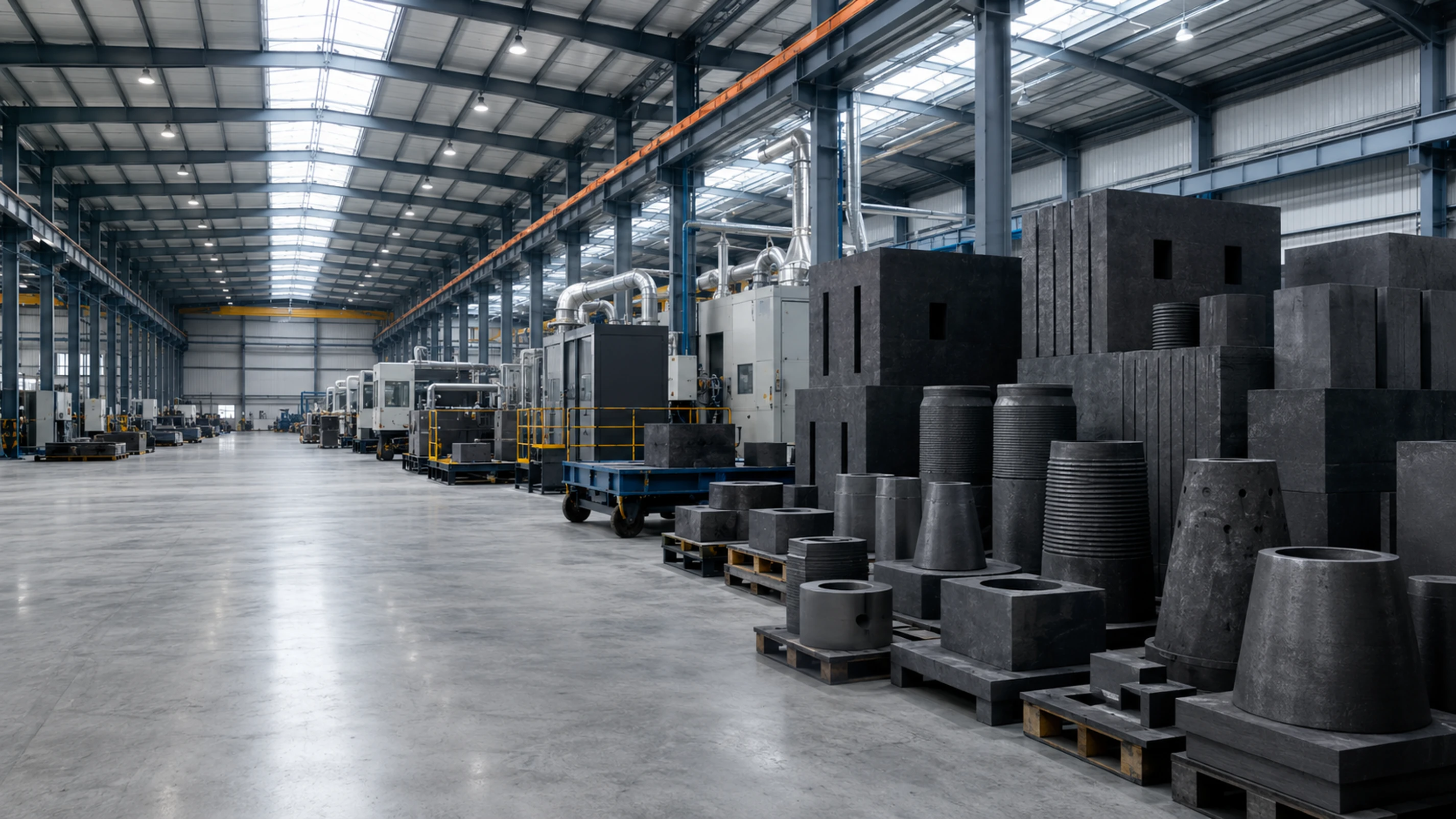
Carbon and graphite machining solutions usually begin where standard cutting logic stops working. Cathode blocks, graphitized cathode blocks, graphite blocks, carbon blocks, and electrode blanks behave like brittle industrial materials, generate conductive dust, and often feed later slotting, shaping, assembly, or cell-related processes. That means buyers are usually solving a process-control problem, a handling problem, and a workshop-fit problem at the same time.

Cathode & Graphite Uses

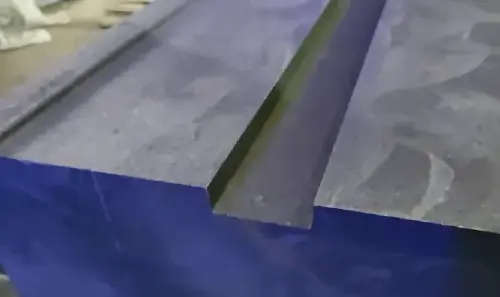
Cathode blocks and graphitized cathode blocks sit inside aluminum smelter workflows where slotting quality, release cutting, and transfer stability affect later installation or preparation steps. Graphite blocks and electrode blanks often sit earlier in machining chains where shape stability directly affects later processing cost and correction load.
Cathode & Graphite Uses

Cathode blocks and graphitized cathode blocks sit inside aluminum smelter workflows where slotting quality, release cutting, and transfer stability affect later installation or preparation steps. Graphite blocks and electrode blanks often sit earlier in machining chains where shape stability directly affects later processing cost and correction load.

How Dinosaw Plans Carbon & Graphite Solutions

We do not start with a machine list. We start with the workpiece, the drawing, the downstream target, and the workshop limits, then decide how much cutting, measuring, handling, dust protection, and automation the route really needs. That keeps the solution focused on the real bottleneck instead of turning every project into an oversized line.

Carbon Workpiece First

Cathode blocks, graphitized cathode blocks, graphite blocks, and electrode blanks may all sit under the same material umbrella, but they do not fail in the same way on the shop floor. We first lock the workpiece type, drawing features, brittle-risk points, and downstream target before choosing any machine route.

Map Machining Route

Some projects only need sizing cuts. Others need trimming, slotting, shaping, release cutting, scrap separation, or transfer into later machining stages. The key decision is where the route should start and stop so that later stations do not inherit manual correction, unstable positioning, or extra handling work.

Fit Retrofit Workshop

Loading direction, available space, dust conditions, transfer height, and downstream interface constraints often decide whether a solution works smoothly after installation. We treat layout fit, transfer fit, and dust-control fit as front-end planning conditions, not cleanup issues for later.

Match Process Control

Depending on the project, the right answer may be one cutting system, one handling-assisted cell, or a coordinated line with measuring, cutting, transfer, and automation modules. The target is to put enough process control in the route to solve the real bottleneck without adding unnecessary complexity.

Carbon & Graphite Cutting Equipment

This section helps buyers match each equipment type to the job it is best suited for. Instead of listing machines without context, we show where each system fits in carbon and graphite machining, what value it adds to the route, and why it may be the better choice for a specific workpiece, process step, or workshop condition.

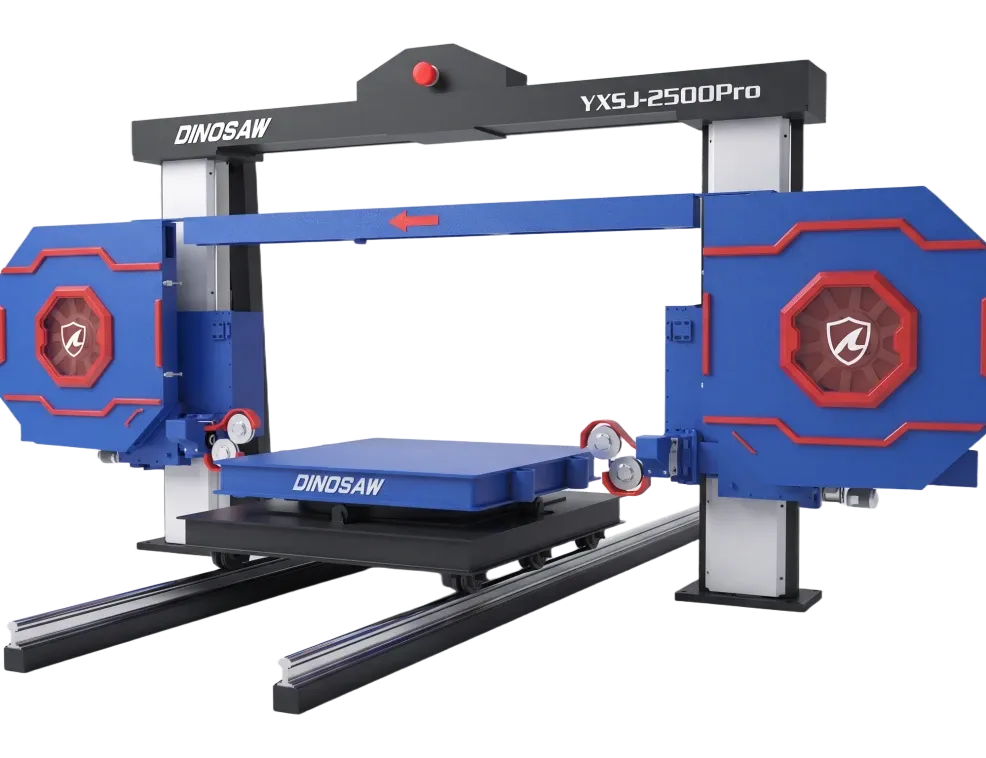
CNC Diamond Wire Saw Cutting Machine

Well suited to graphite blocks, carbon blocks, and other brittle sections where the cut path itself needs to stay more controlled.

Projects usually turn to this machine when rough cutting is no longer good enough and edge damage, unstable release cuts, or downstream correction are starting to cost real time and material.

What makes it valuable is not only that it can cut hard brittle material, but that it does so with a cleaner, more controllable path on parts where geometry, surface condition, or breakage risk already matter to the next step.

See CNC Wire Saw

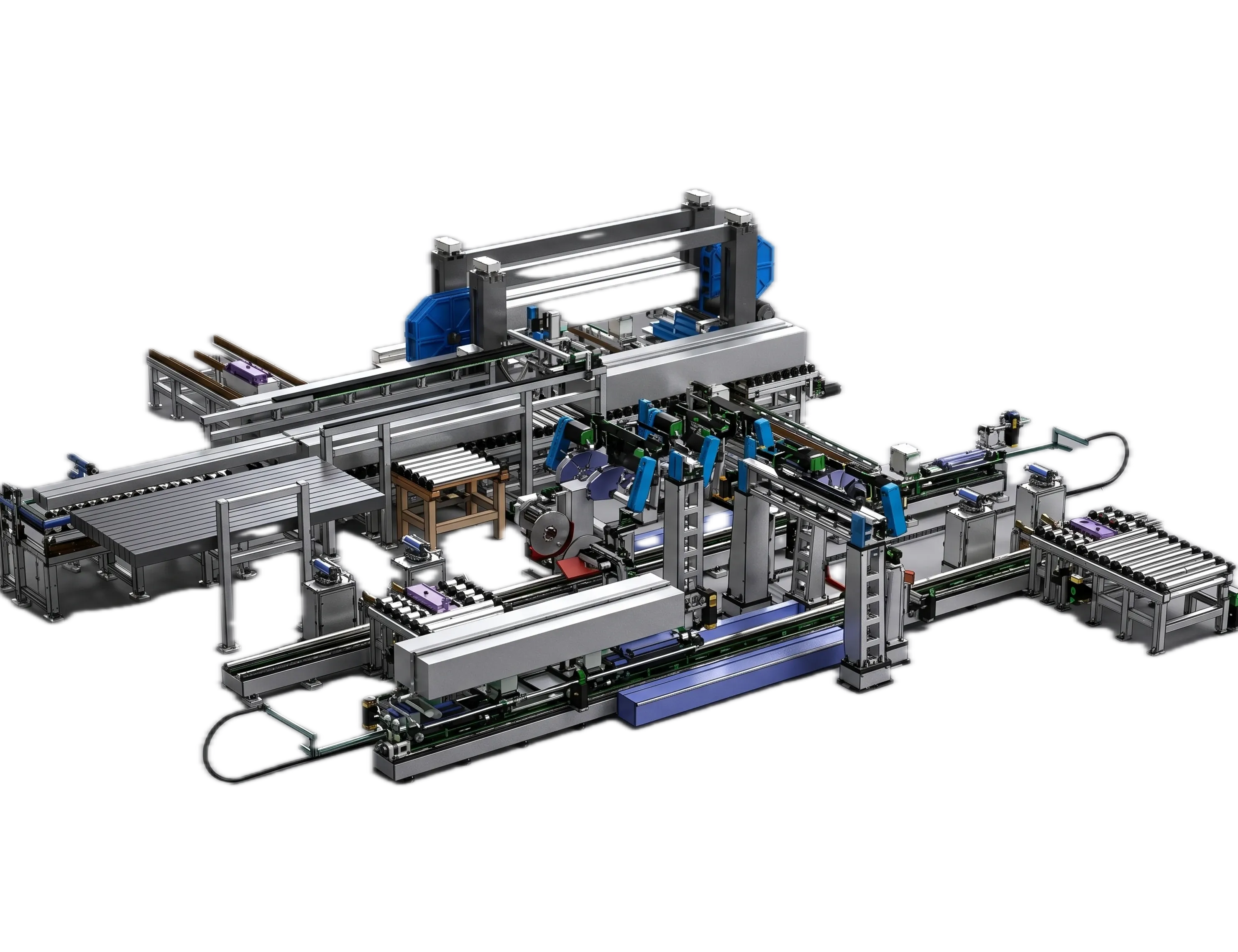
Cathode Carbon Block Machining Line

A stronger fit for aluminum smelter cathode preparation and similar carbon-block projects where trimming, slotting, bottom release cutting, scrap removal, and transfer all need to work as one route.

When the real problem is no longer one cut, but how the block moves through measuring, positioning, slotting, release cutting, and discharge without creating more correction later, a custom machining line becomes the more practical answer.

Its value is not that it simply adds more equipment. It puts the process under better control, especially when groove layouts vary, incoming blocks are not perfectly uniform, or the new route still has to fit an existing workshop interface.

Explore Cathode Block Line

Carbon and Graphite Machining Projects

Many carbon and graphite projects look similar at the material level but become very different once block size, brittle behavior, dust conditions, and downstream requirements are taken into account.

The applications here reflect the types of jobs where cutting routes, equipment combinations, and workshop constraints have already been worked through in real project conditions, including graphite block cutting, cathode block processing, electrode blank preparation, and retrofit-driven workshop upgrades.

How Dinosaw Machinery Works With You

Dinosaw doesn't supply off-the-shelf equipment. Every system is scoped, engineered, and commissioned for the specific project it's built for. Here is what that process looks like, and who Dinosaw works with.

How a Project Engagement Works

01

Initial Discussion

We start with your requirements: materials to be processed, production targets, site conditions, and timeline. A direct engineering conversation — not a standard questionnaire.

02

Specification Development

Based on the discussion, we develop an equipment configuration: machine type, dimensions, tooling, control architecture, and interface requirements specific to your application.

03

Engineering Review & Iteration

The specification is shared with your technical team for review. We work through comments and refine the design before any build commitment is made.

04

Build & Quality Documentation

In-house fabrication with full quality documentation produced throughout. Documentation package provided on delivery to support your acceptance processes.

05

Commissioning, Training & Ongoing Support

On-site commissioning to verify performance against specification. Operator training for your team. Ongoing technical support throughout the equipment lifecycle.

Our Capabilities

In-House Manufacturing

We design and fabricate our equipment in-house, with direct control over engineering changes, fabrication sequences, quality documentation, and lead time — critical when your project programme cannot absorb supplier delays.

R&D Engineering Team

Our engineers work directly from your project brief. We build the specification from your site conditions, material profile, and processing requirements — then iterate with your technical team before confirming the build.

Project-Specific Configuration

No two systems we build are identical, because no two projects are. Each machine is configured — not adapted — to your specific material, geometry, production volume, and operational requirements.

On-Site and Remote Support

We provide commissioning support, operator training, and ongoing technical assistance for every system we supply. For international projects, we coordinate through detailed documentation, remote diagnostics, and planned site visits aligned with your programme schedule.

Who We Work With

End Users & Manufacturers

Factories, processing plants, and industrial operators who need machinery for their own production — whether for a specific material, a new production line, or an upgrade to existing capacity. We work with you from requirement to running machine.

Distributors & Agents

Regional distributors and agents representing Dinosaw Machinery in local markets. We provide technical support, product documentation, and co-development of market-specific solutions to help you serve your customers effectively.

Engineering Consultancies

Consultancies developing equipment specifications, feasibility studies, or technology assessments for industrial projects. We provide technical data, application references, and direct engineering input to support your work.

Whether you are specifying equipment for a new project, exploring options at feasibility stage, or looking for a manufacturing partner for a specific application — we are ready to have that conversation.

Get A Easy Solution

Chat Online
Ms.Lizzy

Hi, this is Lizzy from Dinosaw ( Not a Robot ).  Which Machine ( model ) do you want? Please WhatsApp us now

WhatsApp Chat Now
Contact Us

Hello 👋 How can we help?