


Bridge Saw Marble Slab Cutting
The 10-20 in (250-500 mm) end of the ladder covers bridge saw slab and cut-to-size work in marble shops. Higher teeth counts on these diameters produce smooth slab edges at the feed rates bridge saws run.


Open Hours:8:30am-20:30pm

WhatsApp: +86 198-5901-3937
Applicable Materials
Marble, limestone, travertine and micro-crystal glass
Certifications & Credentials
CE Certified · ISO 9001:2015 · Industry Standard Drafting Participant · 120+ Countries & Regions Served
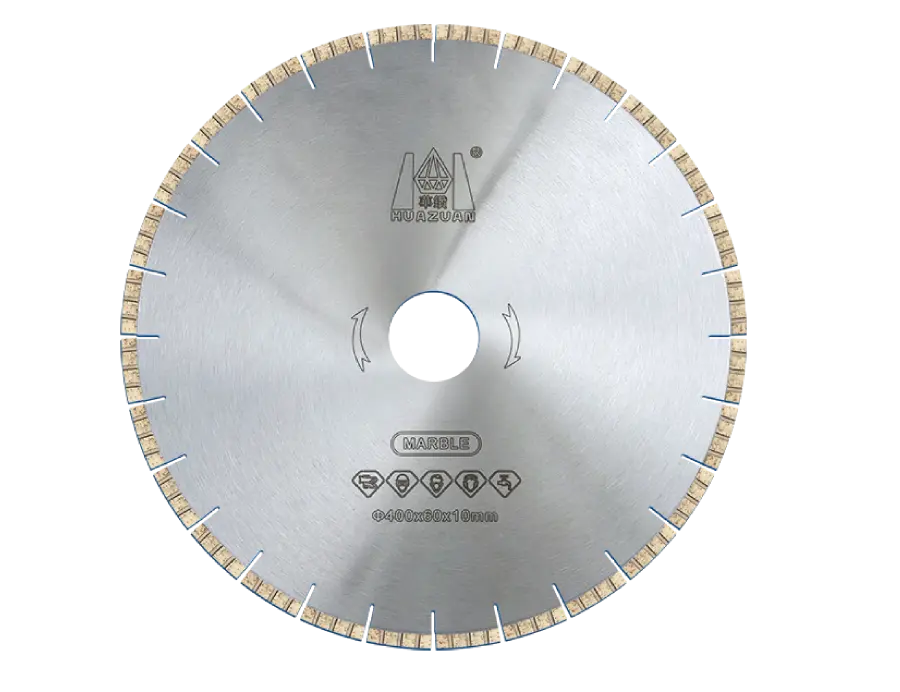
These blades run on bridge saws, block saws and gantry cutting installations wherever marble and similar soft-to-medium stone is being slabbed, resized or blocked out in production volumes.
The 10-20 in (250-500 mm) end of the ladder covers bridge saw slab and cut-to-size work in marble shops. Higher teeth counts on these diameters produce smooth slab edges at the feed rates bridge saws run.
Diameters from 24 in (600 mm) up to 120 in (3000 mm) serve block saws and gantry installations cutting commercial marble blocks. Taller 10-15 mm segments carry the diamond volume needed for hours-long passes.
The dense, homogeneous structure of micro-crystal glass rewards a sharp, stable marble-family blade with outstanding edge quality, making this program a fit for panel and tile cutting beyond natural stone.
Limestone and travertine behave like marble in the kerf, so the same bond and rim program covers dimension cutting for architectural stone without a separate blade specification.
The silent core version serves urban factories, workshops near residential areas and multi-shift operations with noise exposure limits, reducing blade ringing at the source while keeping the same cutting performance.
This is the marble-specific large-diameter blade family from DINOSAW, covering everything a marble workshop needs from a 10 in bridge saw blade to a 120 in block cutting disc. A normal core version handles conventional cutting, while a silent core version serves noise-regulated workshops, with the rim specification tuned to marble, limestone, travertine and micro-crystal glass rather than hard stone.
Twenty standard diameters let one blade program follow a marble producer from the first bridge saw through to gang-sized block cutting, without changing suppliers at each machine class.
Segment height scales with blade diameter, so large block-cutting discs carry enough diamond and bond for hours-long passes while smaller blades stay light and responsive.
Teeth count is tuned per diameter: higher counts on bridge saw blades for smooth slab edges, lower counts on large discs for slurry evacuation and stability on deep cuts.
The normal core covers conventional workshops; the silent core reduces blade ringing for urban factories and multi-shift operations with noise exposure limits.
Applicable materials: Marble, limestone, travertine and micro-crystal glass.
Typical products: Marble slabs and cut-to-size work, dimension limestone and travertine, micro-crystal glass panels, and commercial marble blocks on large-diameter saws.
Actual cutting speed, edge quality and segment life vary with stone hardness and quartz content, blade diameter and segment specification, machine power and RPM, water supply and feed rate.
Select by machine class first. Bridge saws for slab and cut-to-size work typically use 10-20 in (250-500 mm); mid-size block saws use 24-40 in (600-1000 mm); gantry and gang block cutting uses the large end of the ladder up to 120 in (3000 mm). Then choose the core: normal for conventional workshops, silent for noise-regulated ones. Segment height within 10-15 mm and teeth count within 18-160 are set by diameter.
| Blade Diameter (in) | Blade Diameter (mm) | Blade Diameter (in) | Blade Diameter (mm) |
| 10 | 250 | 48 | 1200 |
| 12 | 300 | 56 | 1400 |
| 14 | 350 | 64 | 1600 |
| 16 | 400 | 72 | 1800 |
| 18 | 450 | 80 | 2000 |
| 20 | 500 | 88 | 2200 |
| 24 | 600 | 96 | 2400 |
| 28 | 700 | 100 | 2500 |
| 32 | 800 | 120 | 3000 |
| 36 | 900 | 40 | 1000 |
| Segment Height | 10-15 mm by diameter | Core Type | Normal / Silent |
| Teeth Count | 18-160 by diameter | Standard Sizes | 20 diameters |
Six engineering decisions behind the DINOSAW marble blade program. The numbered points on the blade diagram correspond to the systems below.
1 · Confirm: match blade diameter, arbor, flange, core type and segment specification to the stone and the saw. 2 · Mount: clean the flange faces, seat the blade, confirm rotation direction and aim the water nozzles at the cut zone. 3 · Cut: open with a light feed to seat the segments, then cut at a feed rate matched to stone hardness and machine power with continuous water over the kerf. 4 · Inspect & rotate: check segment wear and core condition at shift end, rotate blades between compatible machines where the program allows, and reorder against the recorded specification.
The diamond bond is formulated for the cutting behavior of marble, limestone, travertine and micro-crystal glass: soft-to-medium stone where bond wear must keep diamonds exposed without grinding the surface. This is where the smooth cutting, long lifespan and outstanding cutting performance of the program come from.
The segmented rim spaces gullets between diamond segments so water and slurry evacuate from the kerf on deep cuts. On large block-cutting diameters this prevents segment glazing and keeps cutting load stable through a long pass.
Both core versions share the same rim program. The silent core uses a damped steel construction that reduces the ringing vibration a large spinning disc generates, cutting noise at the source for workshops with exposure limits while conventional shops stay on the lower-cost normal core.
Segment-to-core welding is done on automated production equipment that holds welding strength and welding quality across the full diameter range. Consistent weld strength is what keeps segments on the core at the rim speed of a 3000 mm disc.
Automated production also controls matrix stress and appearance stability, so every blade runs true instead of wobbling as the rim heats and cools. Runout stability is felt directly at the edge quality of the slab being cut.
Segment height from 10 to 15 mm and teeth count from 18 to 160 are scaled by diameter rather than fixed for the range. Each size in the ladder carries the rim geometry its machine class needs, from fine bridge saw edges to aggressive block-cutting evacuation.
A core-construction comparison for marble workshops deciding between conventional cutting and noise-regulated operation.
DINOSAW is a manufacturer of CNC stone processing machinery, specializing in diamond wire saw machines and CNC stone cutting equipment. With more than 20 years of R&D and manufacturing experience, DINOSAW contributes to industry standards including T/CMES 41001-2025 for CNC wire saw machines, holds 100+ technical patents, and supplies equipment and technical support to customers in 120+ countries and regions. Its manufacturing and management systems are certified to ISO 9001, ISO 14001 and ISO 45001, with CE-compliant machinery for international markets.

DINOSAW provides selection guidance, application support and spare-parts coordination for every blade program.
Confirm arbor size, flange diameter, guard clearance and spindle power so the selected diameter and core type fit your bridge saw or block saw.
This blade program is designed for wet operation; provide stable water flow to the cut zone for segment cooling and slurry removal.
Store blades flat in dry conditions and inspect segments and core before mounting; report transit damage before first use.
Answers to the main buying questions around diameter selection, core version, stone suitability, mounting and quotation preparation.
Choose the diameter from your saw, not from the price list. The DINOSAW marble blade program covers twenty standard diameters from 10-120 in (250-3000 mm), and each size exists for a specific machine class. Bridge saws doing slab and cut-to-size work typically run 10-20 in (250-500 mm). Mid-size block saws move into 24-40 in (600-1000 mm). Gantry and gang block-cutting installations use the large end of the ladder, up to 120 in (3000 mm). Two checks decide the size: your machine's maximum blade capacity (arbor, flange diameter, guard clearance and spindle power) and the depth of cut you need, since usable depth is set by blade radius minus flange and guard clearance. Confirm the spindle RPM at the same time, because a blade that physically fits but runs above its rated peripheral speed is a safety issue, not a bargain. When you send your machine model and stone, DINOSAW matches the diameter, segment height within 10-15 mm and core version accordingly.
Choose the normal core for conventional workshops and the silent core where noise is regulated or operators work close to the saw for long shifts. Both versions share the same segmented rim design, the same diameter ladder from 10 to 120 in (250-3000 mm) and the same marble-focused cutting performance; the difference is the core. The silent core uses a damped steel construction that reduces the ringing vibration a large spinning disc generates, lowering workshop noise at the source rather than relying only on the operator's ear protection. Cutting behavior on marble, limestone and travertine remains comparable between the two versions. The normal core costs less upfront and is the right default for open yards and dedicated cutting halls. The silent core earns its premium in urban factories, workshops with noise exposure limits, and multi-shift operations where reduced vibration also helps blade stability on long cuts. If your workshop has ever received a noise complaint, or saws run through the night, specify the silent version when ordering rather than retrofitting later.
Do not buy this blade for hard stone or for handheld tile work; two adjacent DINOSAW products cover those jobs better. First, granite and similarly hard, abrasive stone: this is a marble-family blade, tuned for the cutting behavior of marble, limestone, travertine and micro-crystal glass. Hard granite wears a marble bond too fast and raises the risk of segment damage; DINOSAW's granite-specific blade uses a hard-stone formulation with a different bond and segment design for exactly that duty. Second, small handheld cutting: the 10 in (250 mm) size here is the floor of a machine-mounted program for bridge saws and block saws with flanges and continuous water cooling, not a blade for grinders or handheld tile cutters, which DINOSAW's tile blade range covers. This family also assumes wet cutting; dry cutting is outside its intended use. If your work is granite block sawing or handheld tile and ceramic cutting, say so when you inquire and you will be pointed to the right product instead of forcing this family to fit.
Send seven items and the quotation comes back as a specification, not a guess. (1) Stone: name or photos of marble, limestone, travertine or micro-crystal glass, or a mix, since quartz content and abrasiveness decide the segment bond. (2) Machine: make and model, or at least the maximum blade diameter your saw accepts. (3) Arbor and flange: arbor hole size, flange diameter, and whether you need a normal or silent core. (4) Cutting duty: typical depth of cut, wet or dry operation, shift length and monthly cutting volume. (5) Diameter and quantity: which sizes from the 10-120 in (250-3000 mm) ladder, and how many of each. (6) Operating conditions: spindle RPM or machine power, and water supply quality. (7) Destination country, for packaging and delivery planning. With these, DINOSAW confirms segment height within the 10-15 mm range and teeth count within the 18-160 range for your diameters, and flags whether your stone calls for any adjustment to the standard marble specification. Missing stone data is the most common cause of a mismatched blade.
These two numbers decide how a given diameter behaves in the stone, and both are scaled to blade diameter in this program. Segment height runs 10-15 mm by diameter: taller segments carry more diamond and more bond, extending the usable life of large block-cutting discs that run for hours on a single pass, while shorter segments keep small bridge saw blades light and responsive. Teeth count runs 18-160 by diameter: fewer, larger segments on big discs give aggressive slurry evacuation and stable cutting on deep block cuts, while higher counts on small blades produce finer segmentation and smoother slab edges. This is why a 3000 mm gang blade and a 350 mm bridge saw blade behave so differently even with the same marble bond. If you need a non-standard combination, for example a specific teeth count to match an existing cutting program, state it explicitly when ordering, because the catalog defaults are tuned per diameter. DINOSAW's automated production equipment holds welding strength, welding quality, matrix stress and appearance stability across the program, so a repeat order of the same specification performs the same way as the first.
On marble, expect smooth, low-chip cutting with long segment life; on micro-crystal glass, expect the cleanest edges in the program. The marble-family bond is engineered for soft-to-medium carbonate stone: it wears at a rate that keeps diamonds exposed without grinding the stone surface, which is where smooth cutting and controlled edge quality come from. Limestone and travertine cut similarly, with life varying mainly by quartz content and abrasiveness. Micro-crystal glass is dense and homogeneous, so it rewards a sharp, stable blade with outstanding edge quality, which is why it is named alongside marble in this blade's core applications. Two operating habits decide whether you see this performance in practice: continuous water over the cut, and a feed rate matched to machine power and stone hardness. A blade run dry or forced through the stone overheats, glazes and loses life far beyond what any bond design can compensate. Behind the specification sit more than 20 years of blade R&D and automated production controlling welding strength, welding quality, matrix stress and appearance stability, so the blade quoted is the blade delivered.
Contact Dinosaw
Discuss Diamond Saw Blade for Marble Pricing, Configuration & ApplicationAre you looking for the perfect cutting machines or processing solutions for hard and brittle materials?
Facing challenges in stone quarrying, countertop cutting, concrete and underwater pipeline cutting, stainless steel rust removal and grinding, luxury thin slab cutting, agate and gemstone cutting, graphite cutting, or even building demolition?
Leave your inquiry, and you can expect a reply within 12 hours with tailored solutions!






What materials will you be working with? *
Your Name / Company Name? *
Phone Number / Email Address? *
What specific requirements do you have?
Selection guides and related cutting equipment for marble blade diameter selection, core choice and saw matching.

The bridge saw platform these blades mount on for slab and cut-to-size marble work.

The marble segment program for re-tipping and blade production on this blade family.
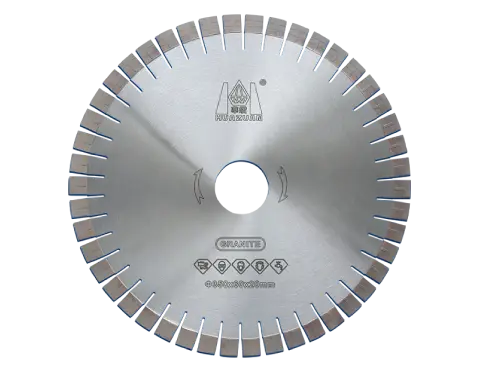
The granite blade for mixed-shop programs where hard stone runs on the same machines.
 English

Get A Easy Solution
Chat Online
Hi, this is Lizzy from Dinosaw ( Not a Robot ). Which Machine ( model ) do you want? Please WhatsApp us now
Hello 👋 How can we help?


 中文
