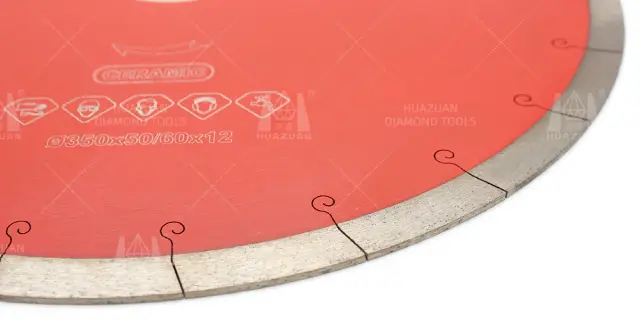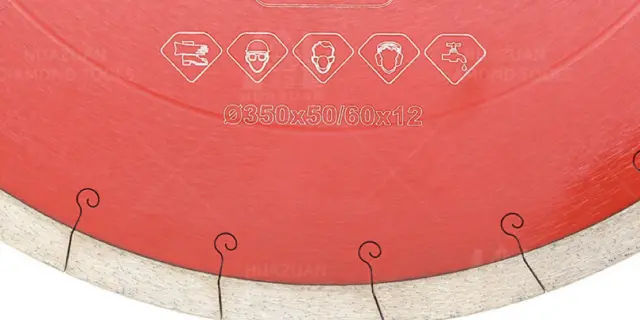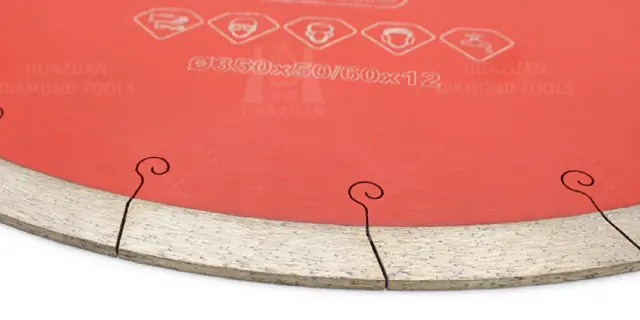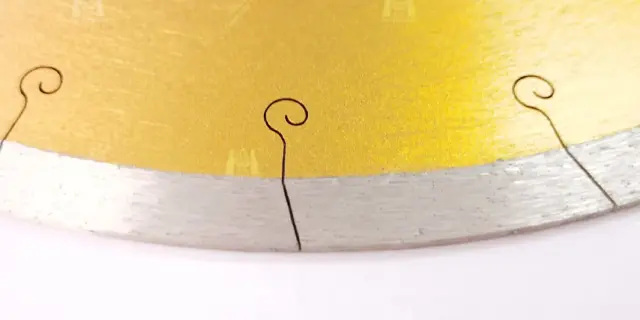

Sintered Diamond Saw Blade for Ceramic & Porcelain

105-350mm
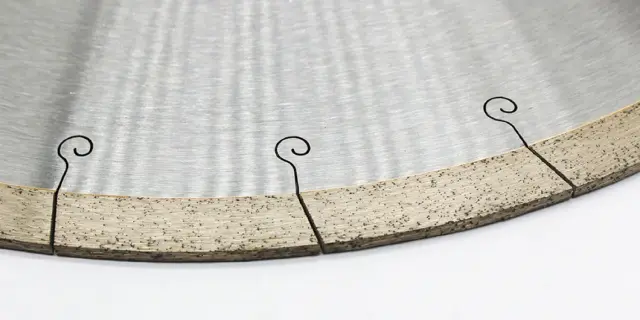
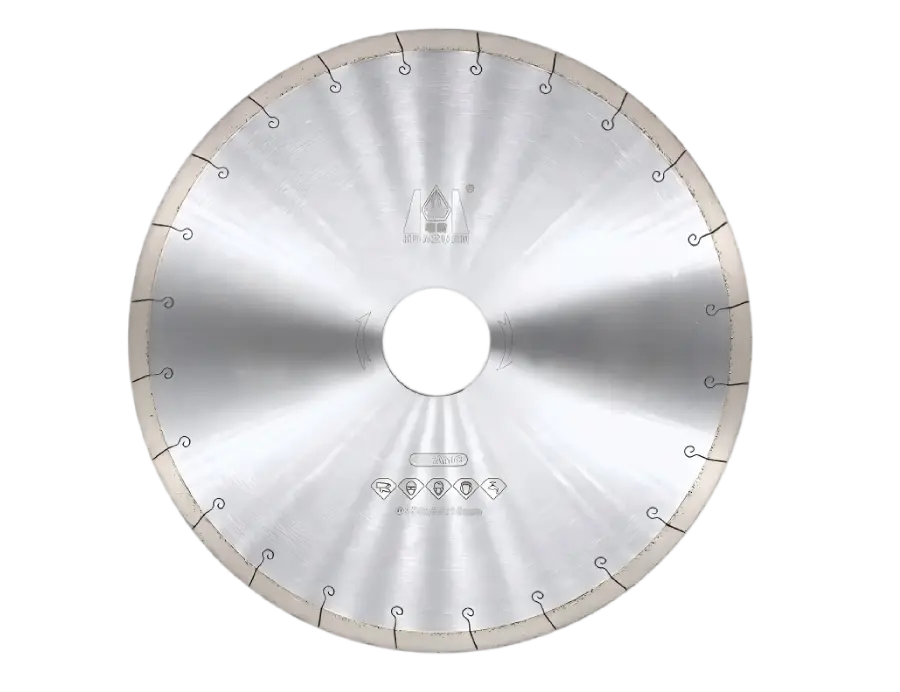
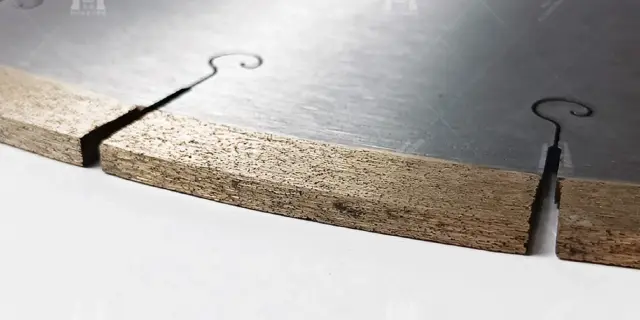
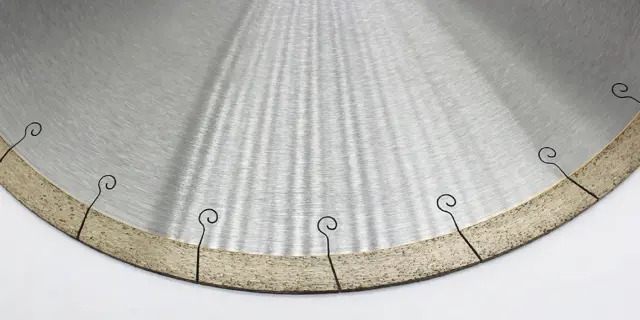
This sintered, continuous‑rim diamond blade is engineered for cutting porcelain and ceramic tiles. It handles dense, vitrified materials and glazed surfaces with stable kerf and minimal micro‑chipping for straight, clean cuts. Users gain fast cutting speed, long tool life, and smooth edges thanks to bond formulation and fine grit. It supports wet operation, lowers Ra surface roughness, improves project timelines, and aligns with EN 13236/CE/ISO 9001.
Vitrified TileBond and rim geometry designed for dense porcelain and ceramic bodies
Low Micro-ChipClean visible edges through glazed and vitrified surfaces
105–350 mmFrom grinder trimming to production tile saws

Applicable Materials

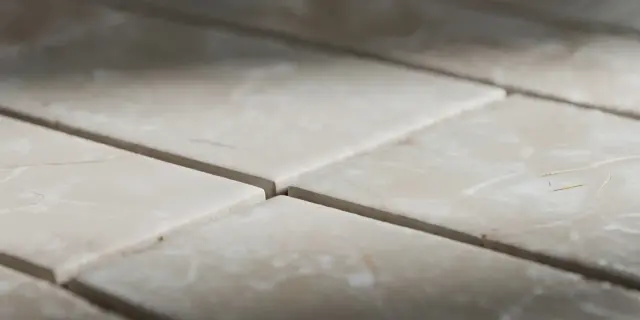
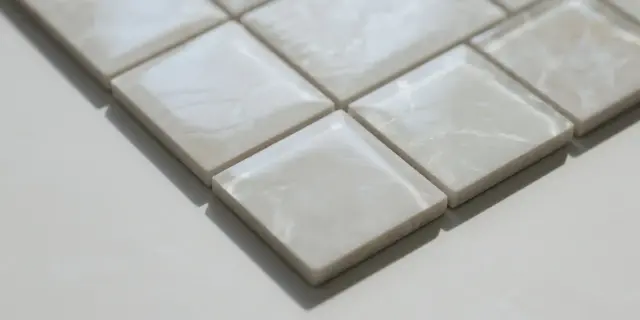
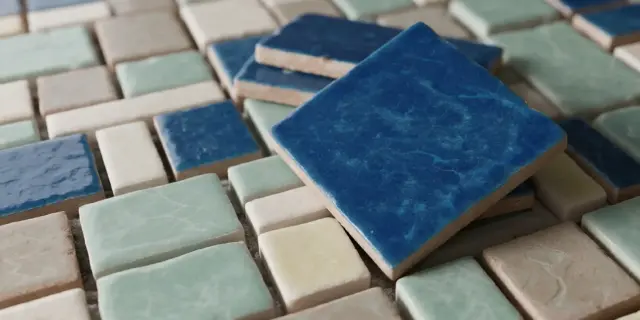
Porcelain, ceramic, glazed tile, vitrified tile and mosaic

Certifications & Credentials

CE Certified · ISO 9001:2015 · Industry Standard Drafting Participant · 120+ Countries & Regions Served

Compatible Materials & Products

Chip‑free wet cutting for dense porcelain and ceramic tiles

Real Cutting Performance & Key Metrics

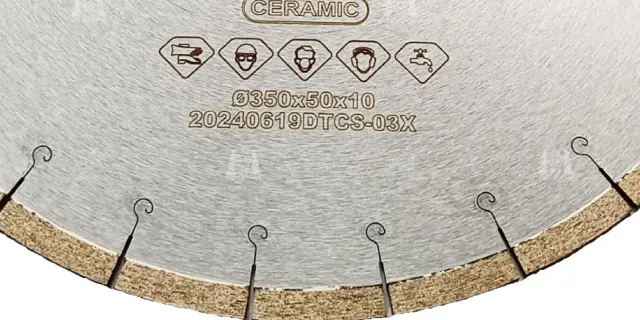
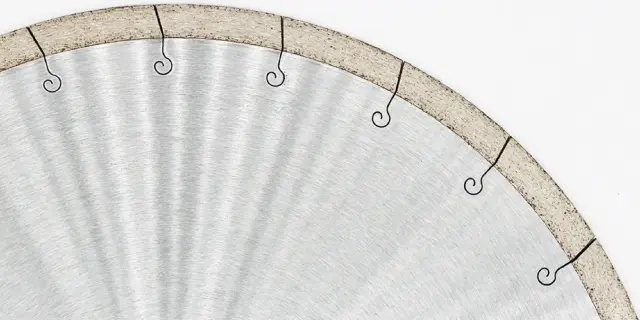
The DINOSAW sintered diamond blade for ceramic and porcelain is a dedicated tile cutting family: bond and continuous rim geometry engineered for dense vitrified bodies and glazed surfaces, with low micro-chipping on visible edges from handheld trimming through production tile saw cutting.

105–350 mm

Full Tool Range

Eleven diameters from 105 to 350 mm cover handheld trimming through bench saw production — one blade program for the tile cutting fleet.

1.4–2.0 mm

Kerf Range

Kerf widths from 1.4 to 2.0 mm across the range keep cutting resistance low — per-model kerf specifications are listed in the table.

20 / 22.23 mm

Arbor Options

Standard arbors fit grinders and tile saws across the fleet.

Sintered Continuous Rim

Precision Structure

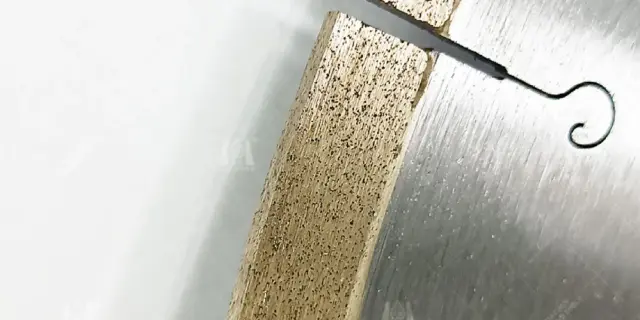
Sintered rim construction carries diamond through the rim depth: life is measured in meters of cut until the rim is consumed, not until a coating fades.

Applicable materials: Porcelain, ceramic, glazed tile, vitrified tile and mosaic.

Typical applications: Clean edge cutting on ceramic and porcelain, finish cuts on glazed tile, long straight kerfs on large-format vitrified tile and fine mosaic detailing.

Actual blade life varies with material density, wet versus dry cutting and operator feed.

Specs and options

Eleven diameters from 105 mm to 350 mm with arbors 20/22.23 mm, 10 mm segment height and continuous sintered rims: 1.4 mm kerfs on the 110–180 mm trimming sizes, 1.6–2.0 mm on larger sizes — per-model kerf specifications in the table.

DiameterSegment WidthSegment HeightArbor
Inchesmmmmmmmm
4.13"1051.6820 / 22.23
4.3"1101.45/820 / 22.23
4.5"1151.6822.23
5"1251.4822.23
6"1501.6822.23
7"1801.6822.23
8"2001.61022.23
9"23021022.23
12"3002.21050 / 25.4
14"3502.61050 / 25.4

Core Technology & Blade Structure

Four engineering decisions behind the ceramic blade family. The numbered points on the blade diagram correspond to the systems below.

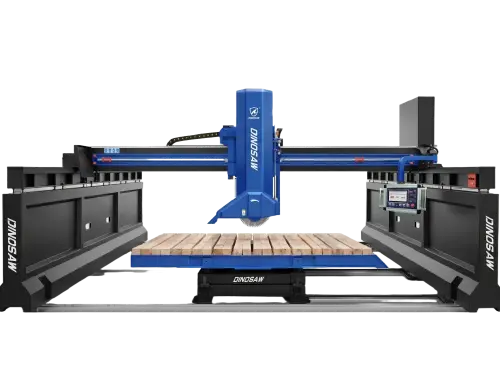
Dinosaw machine Sintered Diamond Saw Blade for Ceramic & Porcelain

Ceramic Blade Selection Workflow

Match the blade in four steps: confirm the tool and arbor, select diameter and kerf for the tile format, run wet on tile saws for best life and finish, then feed steadily — dense porcelain rewards patience with installable edges.

01

Vitrified-Body Bond

Dense porcelain and vitrified tile present a low-abrasion cutting condition that can glaze an incorrectly matched rim: the bond is tuned to keep fresh diamond exposed while maintaining a stable continuous cutting edge — tile-specific bond behavior, not a general blade adaptation.

02

Glaze-Line Cutting

Decorative glaze sits at the visible surface, so entry and exit damage immediately becomes a finished-product defect: the continuous rim engages the glaze progressively instead of striking it with open segment edges, protecting the visible glaze line with low micro-chip behavior.

03

Long Straight Kerf Stability

Large-format vitrified tile exposes any rim runout over a long visible edge: rim concentricity and core stability matter as much as cutting speed on big panels — the specification that separates a tile blade from a general disc.

04

Thin-Kerf Ladder

Thin kerfs keep cutting resistance and material loss low on premium large-format material: 1.4 mm on the trimming sizes rising to 2.0 mm at 350 mm, with per-model specifications in the table rather than a single headline number.

05

Sintered Rim Depth

Sintered construction carries diamond through the full rim section: blade life is measured in meters of cut until the rim is consumed — the depth is the durability argument against plated alternatives.

06

Mosaic Fine Cutting

Smaller thin-kerf diameters suit mosaic and detail cutting: intricate patterns cut cleanly where an open segmented rim would be too aggressive — an explicit fine-cut program within the family.

General Continuous Rim vs. Dedicated Ceramic Blade

A positioning comparison for tile cutting buyers.

General Continuous Rim vs. Dedicated Ceramic Blade
Dedicated Ceramic BladeVSGeneral Continuous Rim
Ceramic/porcelain focusedMaterial range✓ Broader mixed materials
DedicatedVitrified-body bond✓ General precision
Primary applicationGlazed tile✓ Good
Explicit fine-cut programMosaic✓ Possible
350 mmMax diameter✓ 300 mm
Tile specialist / porcelain productionMain buyer✓ General stone/tile shop

Note: configurations vary by brand and model; actual performance depends on the specific machine, material and working conditions.

The Manufacturer Behind the Blade Family

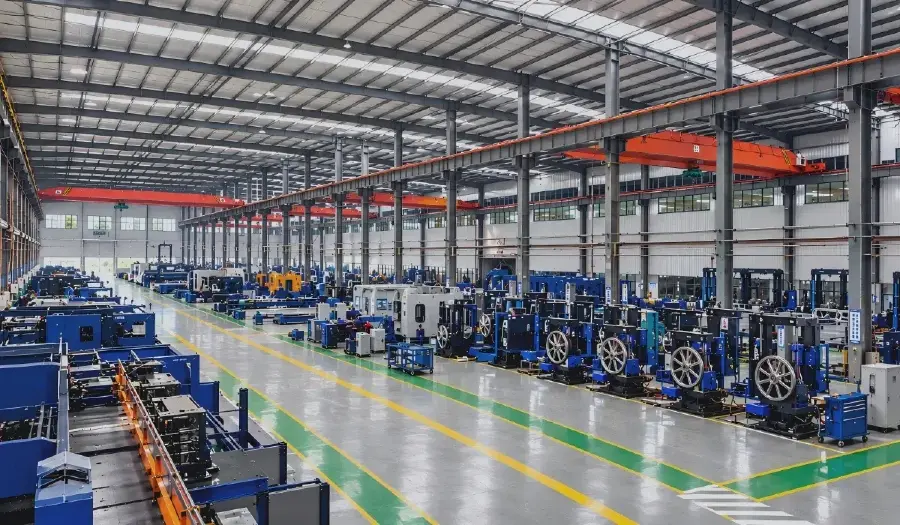
DINOSAW is a manufacturer of CNC stone processing machinery, specializing in diamond wire saw machines and CNC stone cutting equipment. With more than 20 years of R&D and manufacturing experience, DINOSAW contributes to industry standards including T/CMES 41001-2025 for CNC wire saw machines, holds 100+ technical patents, and supplies equipment and technical support to customers in 120+ countries and regions. Its manufacturing and management systems are certified to ISO 9001, ISO 14001 and ISO 45001, with CE-compliant machinery for international markets.

DINOSAW CNC stone machinery manufacturing workshop
DINOSAW R&D & ManufacturingMechanical Design · CNC Control Development · Assembly · Testing · Commissioning · Global Delivery
Industry Standard Drafting

DINOSAW contributes to industry standards for stone machinery, including T/CMES 41001-2025 for CNC wire saw machines, as well as standards covering multi-wire saws, combined wire saw machines and five-axis bridge cutting equipment. This work reflects the company’s long-term involvement in machine design, manufacturing, testing and quality control.

20+Years of Stone Machinery R&D & Manufacturing Experience
100+Technical Patents — Covering machine structures, CNC control, cutting systems and stone processing technologies
120+Countries & Regions Served — Equipment, installation and technical support worldwide

CE Compliance & ISO Management Systems

CE: Stone cutting machinery assessed against Machinery Directive 2006/42/EC and relevant EN standards.
ISO: Management systems certified to ISO 9001, ISO 14001 and ISO 45001.

Ordering Requirements & After-Sales Support

DINOSAW provides blade selection per tile class and batch supply for tile contractors and shops.

Tool Fit20/22.23 mm arbors

Match arbor to grinder or tile saw spec.

RPM MatchDisc RPM ≥ tool RPM

Verify rated speed before mounting.

Wet CuttingRecommended

Water extends life and finish on dense porcelain.

01 · Pre-Shipment & DeliveryMachine configuration, packaging and transport requirements confirmed before dispatch, with factory inspection and documents verified.
02 · Installation & CommissioningOn-site utilities and foundation check, machine positioning, commissioning and acceptance.
03 · Operator TrainingHands-on training covering routine CNC operation and daily checks of blades, spindles, cooling and lubrication.
04 · After-Sales SupportRemote technical assistance, maintenance support and spare parts coordination throughout the machine's service life.

Sintered Ceramic Blade Selection & Use FAQ

Common Questions About Sintered Diamond Saw Blade for Ceramic

Micro-chipping on dense vitrified porcelain usually traces to cut dynamics, not blade condition. Check in order: workpiece support — an unsupported exit line lets the offcut drop and tear micro-chips along the break edge, the most common cause on large formats; feed pressure — forcing the cut flexes thin porcelain and fractures the surface at the kerf; blade speed versus feed — too slow a feed with too much speed polishes the bond instead of cutting, and the resulting heat checks micro-fracture the surface; and blade runout — a blade truing problem shows as chip lines following the rotation pattern. Run the tile fully supported, feed steadily at the blade's working speed, keep water continuous, and check blade concentricity on the arbor. If chips follow one material brand only, that body's density may be beyond the bond's class — a trial with the next bond grade settles it. On premium large-format porcelain, the last 20 mm of the cut at reduced feed protects the exit edge where most chips occur.

The general continuous rim disc in this catalog is a broader precision tool: it covers ceramic, porcelain, marble and sintered stone for shops cutting mixed materials. This ceramic family is the dedicated tile program: vitrified-body bond tuning for low-abrasion dense bodies, glaze-line protection as a primary design target, an explicit mosaic fine-cut program, and range extension to 350 mm for production tile saws. The general disc answers 'one disc for the shop'; this family answers 'the right disc for a tile production program'. Shops running daily porcelain and vitrified tile volume standardize here; shops cutting a material mix keep the general disc and add this family as the tile program grows. The two share sintered construction quality — the difference is application dedication, not build quality.

Micro-chipping on dense vitrified porcelain usually traces to cut dynamics, not blade condition. Check in order: workpiece support — an unsupported exit line lets the offcut drop and tear micro-chips along the break edge, the most common cause on large formats; feed pressure — forcing the cut flexes thin porcelain and fractures the surface at the kerf; blade speed versus feed — too slow a feed with too much speed polishes the bond instead of cutting, and the resulting heat checks micro-fracture the surface; and blade runout — a truing problem shows as chip lines following the rotation pattern. Run the tile fully supported, feed steadily at the blade's working speed, keep water continuous, and check blade concentricity on the arbor. If chips follow one material brand only, that body's density may be beyond the bond's class — a trial with the next bond grade settles it. On premium large-format porcelain, the last 20 mm of the cut at reduced feed protects the exit edge where most chips occur.

Contact Dinosaw

Specify a Ceramic Blade for Your Tile Program

Are you looking for the perfect cutting machines or processing solutions for hard and brittle materials?

Facing challenges in stone quarrying, countertop cutting, concrete and underwater pipeline cutting, stainless steel rust removal and grinding, luxury thin slab cutting, agate and gemstone cutting, graphite cutting, or even building demolition?

Leave your inquiry, and you can expect a reply within 12 hours with tailored solutions!

Prefer email?

You can also reach us at

gma@dinosawmachine.com
Sintered Diamond Saw Blade for Ceramic & Porcelain

What materials will you be working with? *

Your Name / Company Name? *

Phone Number / Email Address? *

+86

What specific requirements do you have?

Ceramic Blade Guides & Related Equipment

Selection guides and related equipment for tile and porcelain cutting.

Get A Easy Solution

Chat Online
Ms.Lizzy

Hi, this is Lizzy from Dinosaw ( Not a Robot ).  Which Machine ( model ) do you want? Please WhatsApp us now

WhatsApp Chat Now
Contact Us

Hello 👋 How can we help?