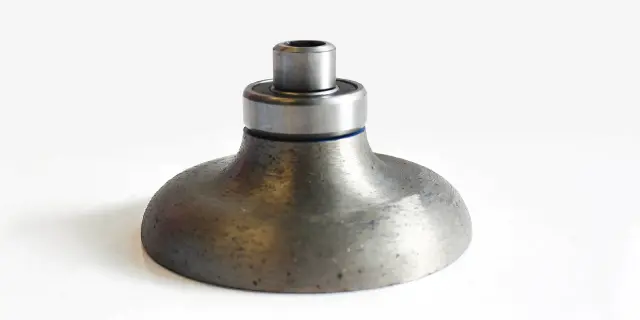
Diamond Router Bits for Stone, Concrete & Tiles

样品、OEM/ODM及代理支持
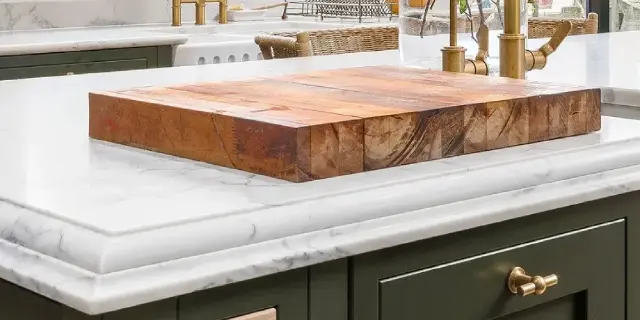
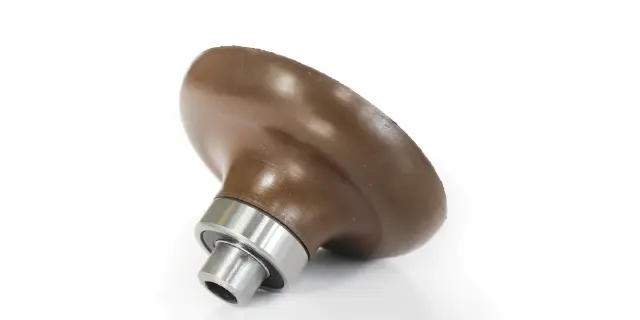
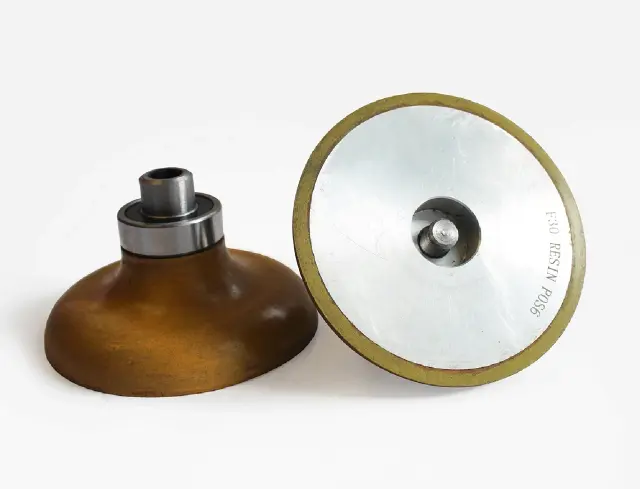
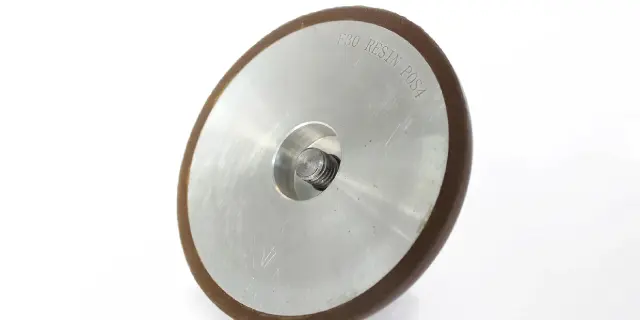
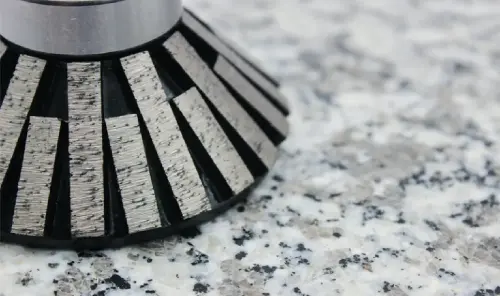
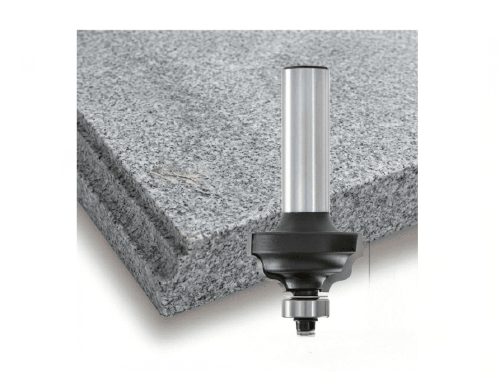
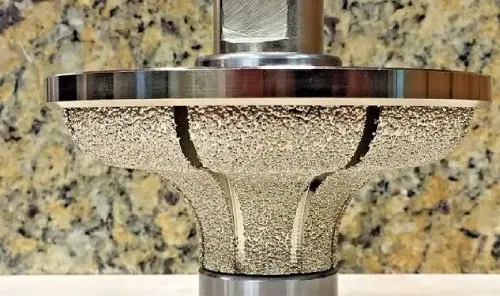
DINOSAW Diamond Router Bits deliver precision cutting, edge profiling, and shaping capabilities for angle grinders, edge polishing machines, and CNC routers. Available in sintered, brazed, and resin bonding technologies with 50x longer tool life than carbide alternatives, zero-chipping cuts, and custom sizing options. Compatible with granite, marble, quartz, ceramic and glass for producing kitchen countertops, tables, monuments and tiles.
Ogee / Bullnose / BevelStandard and custom edge profiles for countertops and architectural stone
3 Bond TypesSintered / Brazed / Resin matched to production volume and finish
Up to 50× LifeDiamond tooling versus carbide in stone applications

Applicable Materials

Granite, marble, quartz, ceramic, concrete, tiles and glass

Certifications & Credentials

CE Certified · ISO 9001:2015 · Industry Standard Drafting Participant · 120+ Countries & Regions Served

Compatible Materials & Products

From Countertops to Monument Stones : Edges Shaping Tools

Real Routing Performance & Key Metrics

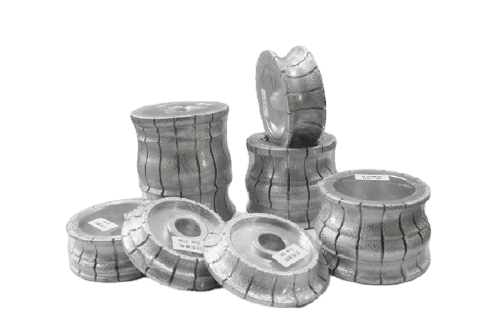
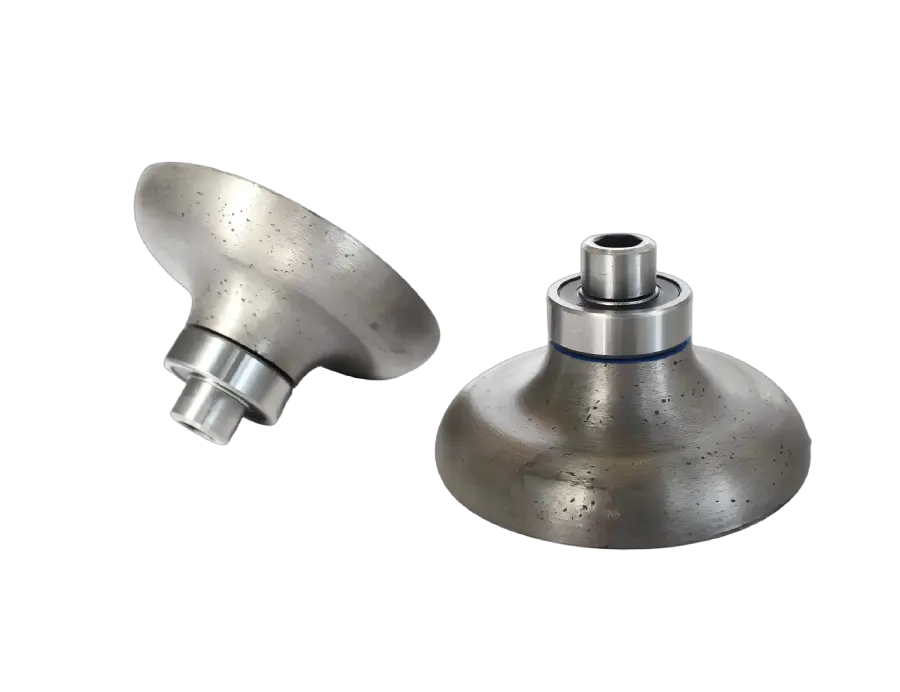
DINOSAW diamond router bits are an edge-profiling system: sintered, brazed and resin bond constructions shape and finish the visible profiles of stone fabrication — ogee, bullnose, bevel, roundover and chamfer — from standard wheels to profiles engineered to drawing.

3 Bonds

Sintered / Brazed / Resin

Three bond technologies cover the profiling workflow: sintered for production volume and tool life, brazed for aggressive cutting at low entry cost, resin for visible-edge finishing.

5+ Profiles

Standard Profile Library

Ogee, bullnose, bevel, roundover and chamfer profiles run from stock — the architectural edge vocabulary covered without custom engineering.

3 Machine Types

Tool Fleet Coverage

One bit family serves angle grinders, edge polishing machines and CNC routers: handheld profiling, edge machine production and CNC shaping share one tooling program.

Custom

Profiles to Drawing

Custom profile wheels are engineered to client drawings: specification-specific sections beyond the standard library are a project service, not a limitation.

Applicable materials: Granite, marble, quartz, ceramic, concrete, tiles and glass.

Typical applications: Countertop edge profiling, decorative shaping, precision tile edge work, glass edge finishing and sink detail work.

Actual bit life varies with material hardness, feed rate, RPM and bond selection. Diamond tooling achieves up to 50 times the tool life of carbide in stone applications.

Specs and options

Router bits are offered in sintered, brazed and resin bond technologies, with standard profiles covering ogee, bullnose (full and half), bevel, roundover and chamfer, plus custom profiles to drawing. Sample development, OEM/ODM and distributor support are available on the range.

Product Specifications

  • Sintered Process - Granite, quartz, hard materials
  • Brazed Process - Marble, limestone, medium hardness
  • Resin Bond - Ceramics, glass, precision cutting
  • Diamond Grit: 40-80 (coarse), 80-120 (medium), 120-220 (fine)


Technical Parameters

  • Processing Thickness: 10-60mm• Interface: M8, M10, 5/8"-11, M14
  • Compatible Equipment: Angle grinders, edge polishing machines, CNC routers
  • Safety Guard: Required for angle grinder applications


Services & Support

  • Custom sizing, grit specifications, and process types available
  • Free technical consultation for process selection
  • Professional installation guidance and safety training
  • Lead time: 2-4 weeks for standard customizations

Core Technology & Bit Structure

Four engineering decisions behind the router bit system. The numbered points on the bit diagram correspond to the systems below.

Dinosaw machine Diamond Router Bits for Stone, Concrete & Tiles

Edge Profiling Workflow

A profiling job follows four steps: select the bond per material and volume — sintered for production, brazed for aggressive roughing, resin for the finish — mount the bit and set RPM within its rated range, run the profile pass at steady feed with water where the machine allows, then inspect the edge and move to the next stage.

01

Sintered Bond

Sintered tools carry diamond through the working body: they cut until the diamond is consumed, making them the production choice for high-volume edge profiling where tool life and cost per meter decide the economics — and worn tools can be evaluated for re-profiling where the design allows.

02

Brazed Bond

Brazed tools expose a dense single diamond layer on the cutting edge: aggressive cutting at the lowest purchase price, suited to occasional profiling, repair work and lower-volume jobs where the layer outlives the work count.

03

Resin Bond

Resin-bond profiling tools occupy the finishing stage: fine abrasive action refines the visible edge after bulk shaping — selecting resin for heavy stock removal is the classic mismatch, and selecting it for the finish pass is where it earns its place.

04

Profile Library

The standard library covers the architectural edge vocabulary — ogee, full and half bullnose, bevel, roundover and chamfer — so common specifications route from stock. Each profile is a search entity in its own right: ogee countertop edge, half bullnose, bevel edge and roundover profile all lead here.

05

Chipping Control

Proper bond, sharp diamond exposure and correct feed help control edge chipping through visible countertop profiles: the combination of tool condition and process discipline, not any single factor, keeps the edge clean.

06

Custom & OEM Programs

Sample development and OEM/ODM programs cover private-label and application-specific tooling: fabricators and distributors build their own bit ranges on DINOSAW manufacturing, with custom profiles engineered from drawings.

Sintered vs. Brazed vs. Resin Router Bits

A bond selection table for edge profiling buyers.

BondBest For & Role
SinteredHigh-volume granite/quartz — main shaping, longest life
BrazedOccasional/site/custom jobs — aggressive low-entry-cost cutting
ResinVisible edge finishing — fine finishing stage

Note: conventional equipment varies by brand and model; actual performance depends on the specific machine, material and working conditions.

The Manufacturer Behind the Router Bit System

DINOSAW is a manufacturer of CNC stone processing machinery, specializing in diamond wire saw machines and CNC stone cutting equipment. With more than 20 years of R&D and manufacturing experience, DINOSAW contributes to industry standards including T/CMES 41001-2025 for CNC wire saw machines, holds 100+ technical patents, and supplies equipment and technical support to customers in 120+ countries and regions. Its manufacturing and management systems are certified to ISO 9001, ISO 14001 and ISO 45001, with CE-compliant machinery for international markets.

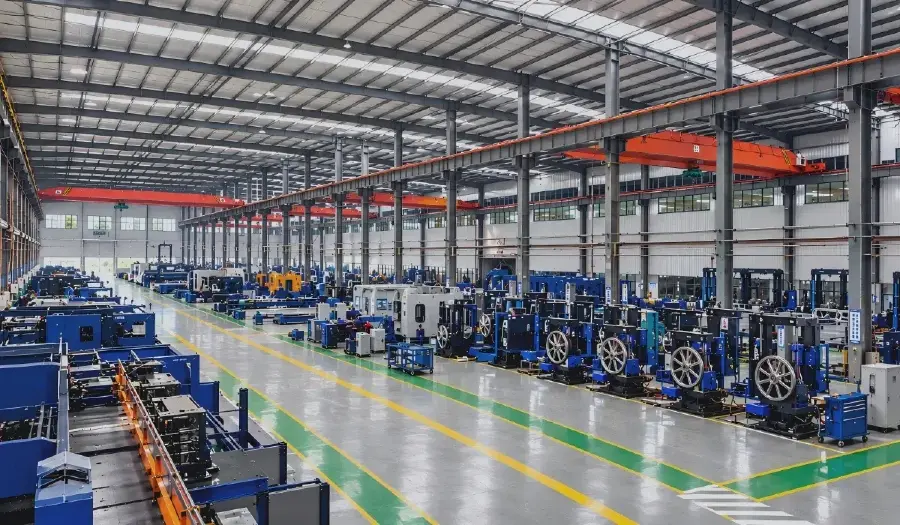
DINOSAW CNC stone machinery manufacturing workshop
DINOSAW R&D & ManufacturingMechanical Design · CNC Control Development · Assembly · Testing · Commissioning · Global Delivery
Industry Standard Drafting

DINOSAW contributes to industry standards for stone machinery, including T/CMES 41001-2025 for CNC wire saw machines, as well as standards covering multi-wire saws, combined wire saw machines and five-axis bridge cutting equipment. This work reflects the company’s long-term involvement in machine design, manufacturing, testing and quality control.

20+Years of Stone Machinery R&D & Manufacturing Experience
100+Technical Patents — Covering machine structures, CNC control, cutting systems and stone processing technologies
120+Countries & Regions Served — Equipment, installation and technical support worldwide

CE Compliance & ISO Management Systems

CE: Stone cutting machinery assessed against Machinery Directive 2006/42/EC and relevant EN standards.
ISO: Management systems certified to ISO 9001, ISO 14001 and ISO 45001.

Ordering Requirements & After-Sales Support

DINOSAW provides bond selection support, custom profile engineering and OEM/ODM programs for tooling partners.

Machine FitPer machine arbor/thread

Confirm grinder, edge machine or CNC spindle interface.

RPMWithin bit rating

Never exceed the bit's rated RPM on the tool.

WaterWhere machine allows

Cooling extends bit life on wet-capable machines.

01 · Pre-Shipment & DeliveryMachine configuration, packaging and transport requirements confirmed before dispatch, with factory inspection and documents verified.
02 · Installation & CommissioningOn-site utilities and foundation check, machine positioning, commissioning and acceptance.
03 · Operator TrainingHands-on training covering routine CNC operation and daily checks of blades, spindles, cooling and lubrication.
04 · After-Sales SupportRemote technical assistance, maintenance support and spare parts coordination throughout the machine's service life.

Diamond Router Bit Selection & Use FAQ

Common Questions About Diamond Router Bits

For granite countertops, sintered diamond router bits provide the best results. They handle granite's hardness without chipping and last significantly longer than brazed alternatives. Choose coarser grits (60-80) for rough shaping and finer grits (120-150) for finishing edges.

Use proper feed rates, maintain consistent pressure, and ensure adequate cooling. Diamond router bits perform best at 2000-3000 RPM for granite. Always use flood cooling or continuous mist systems to prevent overheating and extend tool life.

Sintered diamond tools use chemical and mechanical bonding for harder materials, while brazed tools offer higher diamond exposure for softer materials. Sintered bits excel with granite and engineered stone, providing longer life but slower cutting. Brazed bits cut faster in marble and limestone with superior surface finish.

Professional diamond router bit resharpening services are available for sintered and some brazed types. However, the long lifespan often makes replacement more cost-effective than resharpening. Resin bond bits typically aren't resharpened due to their bonding structure, but their lower initial cost offsets this limitation.

Diamond grit selection depends on your material and desired finish quality. Coarse grits (40-80 mesh) provide aggressive material removal for rough shaping, while fine grits (120-220 mesh) deliver smooth finishes. Medium grits (80-120 mesh) offer balanced performance for general-purpose applications across various stone materials.Optimal speeds range from 2000-4000 RPM depending on bit size and material. Smaller diameter bits can run at higher speeds, while larger bits require lower RPMs for proper cutting. Always use flood cooling or mist systems to prevent overheating and maximize tool life.

Yes, DINOSAW provides custom diamond router bits with tailored dimensions, grit sizes, and bonding types for specific applications. Custom profiles, shank sizes, and diamond concentrations can be manufactured to meet unique project requirements. Lead times vary based on complexity, typically 2-4 weeks for standard modifications.

Process selection depends on your material hardness and application requirements. Sintered diamond bits excel with granite and engineered stone, providing maximum durability for production environments. Brazed bits offer superior surface finishes on marble and limestone with faster cutting speeds. Resin bond bits deliver precision control for delicate materials like ceramics and glass. DINOSAW provides free consultation to help determine the optimal process for your specific application.

Yes, safety guard plates are mandatory when using diamond router bits with angle grinders. DINOSAW provides high-strength safety guards designed specifically for diamond router bit applications. These guards protect against debris and ensure compliance with industrial safety standards. Professional installation and proper training are recommended for safe operation.

Match the bond to volume, material and finish stage. Sintered bits are the production choice: diamond through the tool body gives the longest life, making them lowest cost per meter for shops running edge profiles daily — especially in hard granite and quartz. Brazed bits are the cost-entry and intermittent-use choice: a single aggressive diamond layer at the lowest purchase price, right for softer materials, occasional jobs and site work where a sintered bit's economics do not accumulate. Resin bond bits serve the finish: fine grits that refine the visible edge after shaping, following the sintered or brazed roughing stages. Many shops run the sequence deliberately: sintered for the bulk profile, resin for the finish pass — buying the bond per stage instead of forcing one bond through all the work. Specify your material and monthly edge meters, and the bond mix follows from the numbers.

They work opposite sides of the workpiece geometry. A finger bit mills inside the outline: sink cutouts, enclosed openings and programmed inside radii — the internal contours of a countertop. A router or profile bit shapes the exposed outside edge: bullnose, ogee, bevel and roundover profiles — the visible perimeter the installation presents. The actions differ too: the finger bit plunge- and side-mills with center water feed, while the router bit traces the edge section with the profile wheel. A shop cutting a sink opening and profiling its edge uses both: finger bit for the cutout, router bit for the edge — two tools, two actions, one finished top. Confusing them in an order is the most common tooling mistake in countertop fabrication, and the fastest check is the question: is the work inside the outline or on the edge?

Carbide dulls quickly against stone: as the edge rounds over, it tears rather than cuts, and edge quality degrades within the job. Diamond tooling holds its cutting geometry through the program — in stone applications the working life reaches up to 50 times carbide under comparable conditions, with the practical return in fewer bit changes, fewer interrupted passes and consistent edge quality from the first meter to the last. The economics follow volume: at low occasional use, carbide's lower purchase price is tempting; at production volume, diamond's cost per meter wins decisively, and the changeover interruptions it eliminates are worth machine time beyond the bit price. For visible countertop profiles where edge quality is the product, the comparison usually settles early — run the meters on your own material and the spreadsheet closes the debate.

Contact Dinosaw

Specify Router Bits or Custom Profiles

Are you looking for the perfect cutting machines or processing solutions for hard and brittle materials?

Facing challenges in stone quarrying, countertop cutting, concrete and underwater pipeline cutting, stainless steel rust removal and grinding, luxury thin slab cutting, agate and gemstone cutting, graphite cutting, or even building demolition?

Leave your inquiry, and you can expect a reply within 12 hours with tailored solutions!

Prefer email?

You can also reach us at

gma@dinosawmachine.com
Diamond Router Bits for Stone, Concrete & Tiles

What materials will you be working with? *

Your Name / Company Name? *

Phone Number / Email Address? *

+86

What specific requirements do you have?

Router Bit Guides & Related Equipment

Selection guides and related equipment for edge profiling and stone shaping.

Get A Easy Solution

Chat Online
Ms.Lizzy

Hi, this is Lizzy from Dinosaw ( Not a Robot ).  Which Machine ( model ) do you want? Please WhatsApp us now

WhatsApp Chat Now
Contact Us

Hello 👋 How can we help?