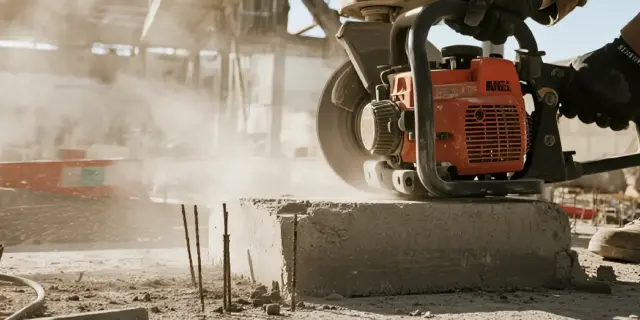
Segmented Diamond Cutting Disc for Concrete & Masonry

105-350mm
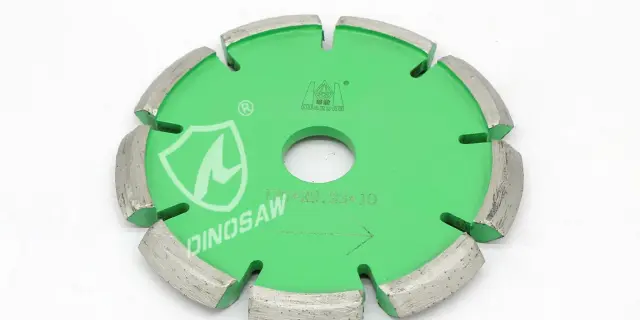
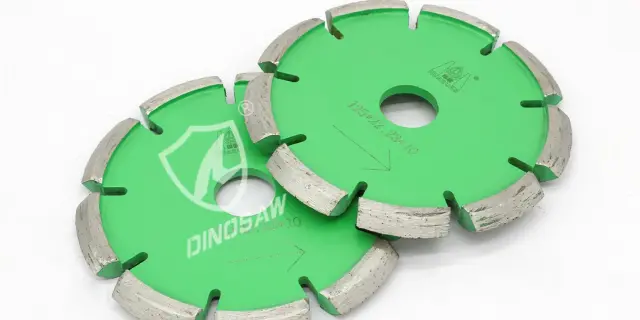
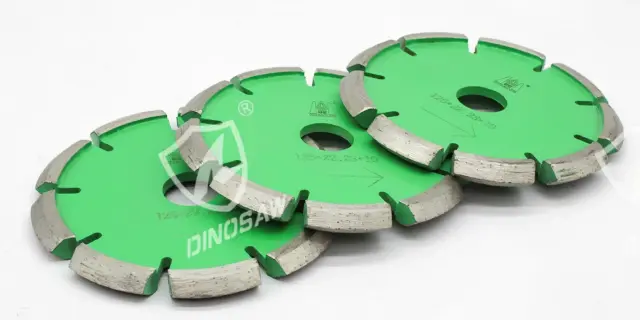
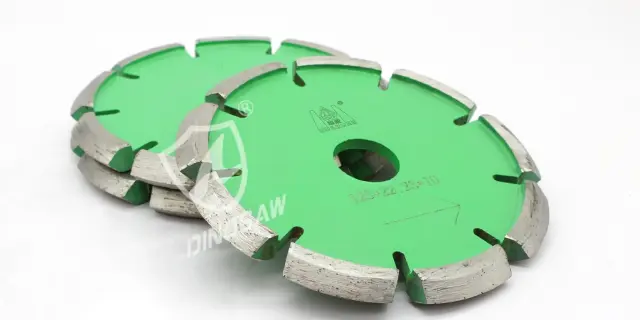
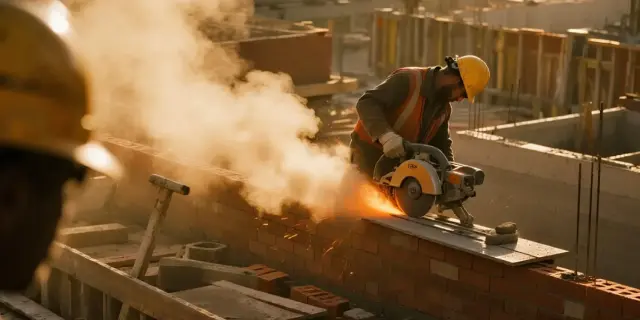
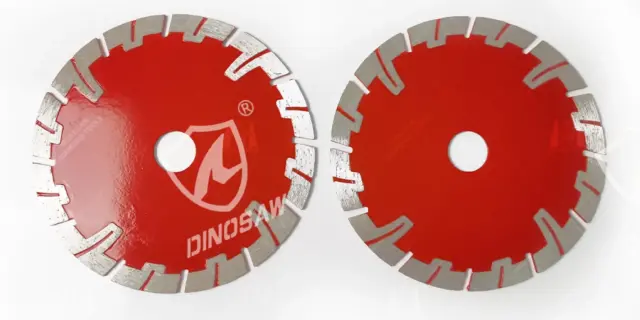
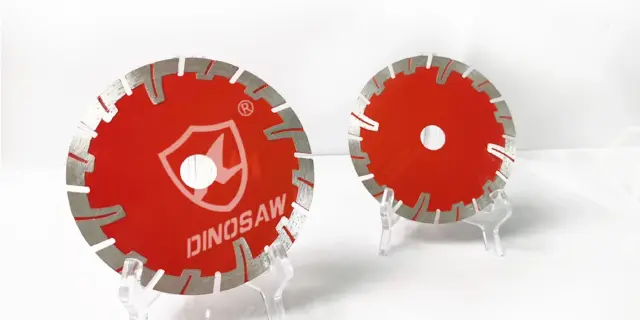
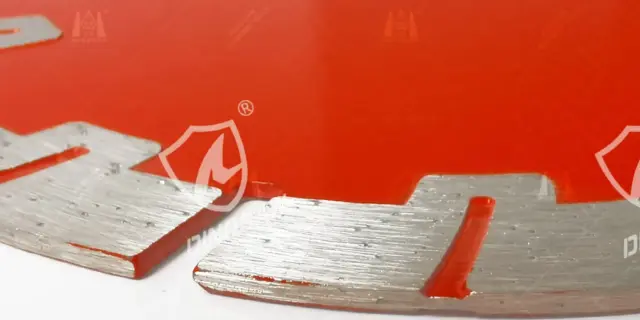
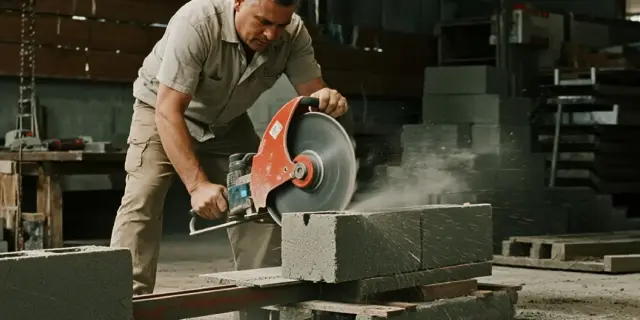
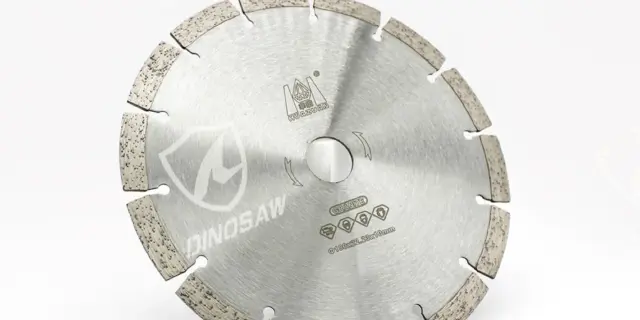
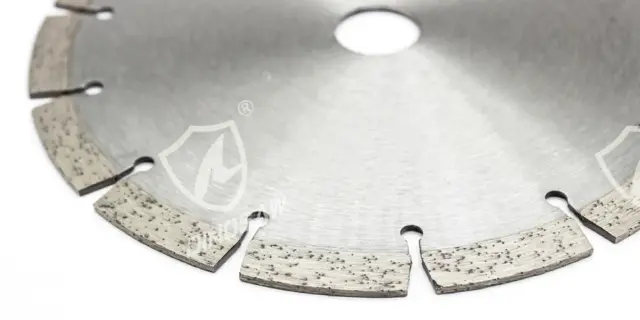
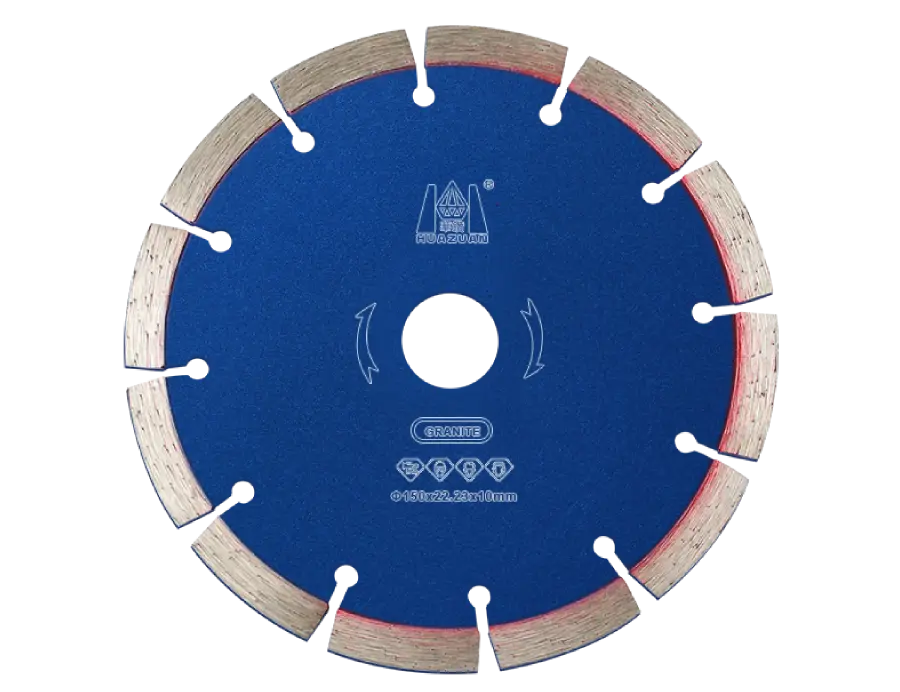
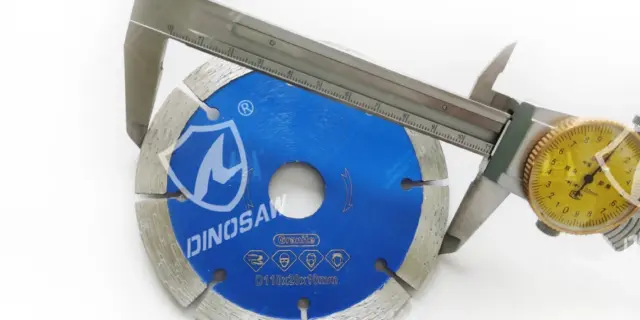
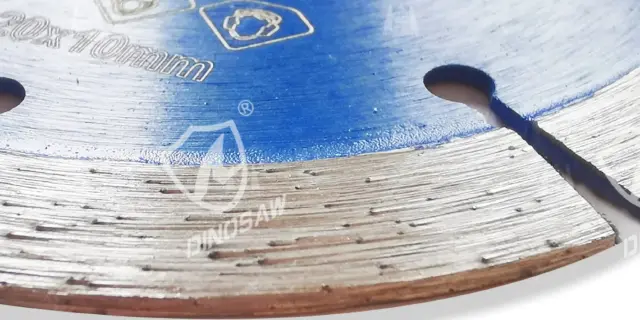
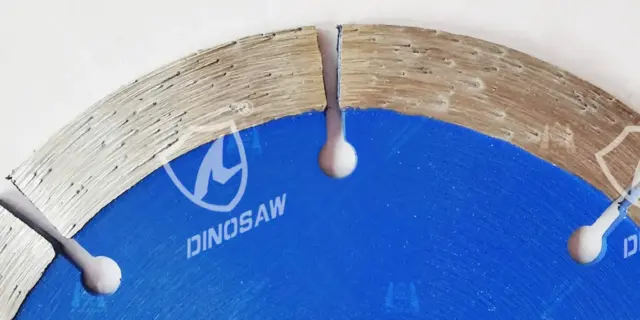
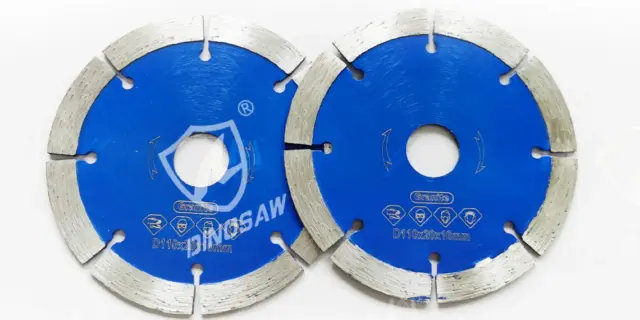
Engineered for fast, aggressive cutting of granite, stone, concrete, and brick. This cutting disc excels in both dry and wet conditions, available in sizes from 105mm to 350mm for angle grinders, circular saws, and masonry saws. Its core value comes from durable sintered diamond segments for extended life and consistent power. Strategically placed key slots ensure superior cooling and efficient debris removal, resulting in clean, precise cuts and longer disc lifespan while enhancing safety.
105–350 mmAngle grinder to masonry saw sizes for site and workshop cutting
Dry + WetCuts with or without water across granite, stone, concrete and brick
4"–14"Full handheld and bench saw diameter range

Applicable Materials

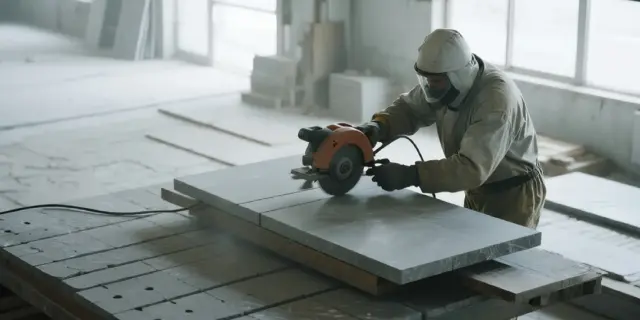
Granite, natural stone, concrete, brick and masonry

Certifications & Credentials

CE Certified · ISO 9001:2015 · Industry Standard Drafting Participant · 120+ Countries & Regions Served

Compatible Materials & Products

Precision Cutting Across Concrete, Masonry, and Natural Stone

Real Cutting Performance & Key Metrics

The DINOSAW segmented diamond cutting disc cuts granite, stone, concrete and brick in dry and wet conditions — 105 to 350 mm for angle grinders, circular saws and masonry saws, with segment geometry that clears dust and runs cool.

105–350 mm

Tool Coverage

Fourteen diameters from 105 to 350 mm cover every handheld and bench saw on site and in the workshop — one disc family across the tool fleet.

Dry + Wet

Any Condition Cutting

The segmented rim clears dust and runs cool without water, and cuts equally with water where dust control or blade life demands it.

Segmented Rim

Aggressive Feed

Gapped segments clear slurry and expose fresh diamond continuously — fast, aggressive cutting in granite and reinforced concrete.

Fast Cutting

Site Productivity

Engineered for fast, aggressive cutting where speed matters: opening cuts, wall chasing, paving cuts and demolition work.

Applicable materials: Granite, natural stone, concrete, brick and masonry.

Typical tools: Angle grinders, circular saws and masonry saws.

Actual disc life varies with material abrasiveness, operator feed and dry versus wet conditions.

Specs and options

Fourteen diameters from 105 mm (1.6 mm kerf) to 350 mm, with 20/22.23 mm arbors across the range: 1.4–1.6 mm thin kerfs for handheld precision, 2 mm kerf at 230 mm and above for masonry saw stability. All sizes run dry or wet.

DiameterSegment WidthSegment HeightArbor
Inchesmmmmmmmm
4.13"1051.6820 / 22.23
4.3"1101.45/820 / 22.23
4.5"1151.6822.23
5"1251.4822.23
6"1501.6822.23
7"1801.6822.23
8"2001.61022.23
9"23021022.23
12"3002.21050 / 25.4
14"3502.61050 / 25.4

Core Technology & Disc Structure

Four engineering decisions behind the segmented disc design. The numbered points on the disc diagram correspond to the systems below.

Dinosaw machine Segmented Diamond Cutting Disc for Concrete & Masonry

Segmented Disc Selection Workflow

Match the disc in four steps: identify the tool (grinder, circular saw, masonry saw) and its arbor, select diameter and kerf for the cut precision needed, choose dry or wet per site conditions, then set feed by feel — let the disc cut without forcing, and use water where dust control or disc life matters.

01

Segmented Rim Geometry

Segmented rims cut faster than continuous rims on abrasive material: the gullets clear swarf and expose fresh diamond at every pass, keeping the cut aggressive through concrete and hard brick.

02

Dust-Clearing Gullets

The gullet geometry is the dry-cutting enabler: dust and debris evacuate through the segment gaps instead of loading the rim — the disc runs cool without water where water is impractical.

03

Thin-Kerf Handheld Sizes

Handheld sizes (105–180 mm) carry 1.4–1.6 mm kerfs: less cutting resistance, less heat, straighter freehand lines — the operator feels the difference immediately.

04

Dry-Cutting Heat Control

Dry cutting concentrates heat at the rim: the segment height and bond porosity manage thermal load, protecting both the disc and the workpiece edge from burn marks.

05

Multi-Material Bond

One bond family covers granite, natural stone, concrete and brick: site crews and workshop saws stock one disc range with per-material expectations, not a different disc per material.

06

Fleet Standardization

Fourteen diameters on two arbor standards cover angle grinders to masonry saws: purchasing standardizes on one disc family, and operators move between tools without learning new discs.

Segmented vs. Continuous Rim Discs for Site Cutting

A selection comparison for handheld and masonry saw users.

Segmented vs. Continuous Rim Discs for Site Cutting
Continuous RimVSSegmented Disc
Slower, smootherCut speed✓ Aggressive, fast feed
Heats, loads with dustDry cutting✓ Gullets clear dust, runs cool
Tile, marble, brittle stoneMaterial range✓ Granite, concrete, brick
Chip-free edgeChip behavior✓ Fast cut, slight edge roughness
Finish cuts on brittle materialBest for✓ Site cutting & demolition speed

Note: configurations vary by brand and model; actual performance depends on the specific machine, material and working conditions.

The Manufacturer Behind the Disc Range

DINOSAW is a manufacturer of CNC stone processing machinery, specializing in diamond wire saw machines and CNC stone cutting equipment. With more than 20 years of R&D and manufacturing experience, DINOSAW contributes to industry standards including T/CMES 41001-2025 for CNC wire saw machines, holds 100+ technical patents, and supplies equipment and technical support to customers in 120+ countries and regions. Its manufacturing and management systems are certified to ISO 9001, ISO 14001 and ISO 45001, with CE-compliant machinery for international markets.

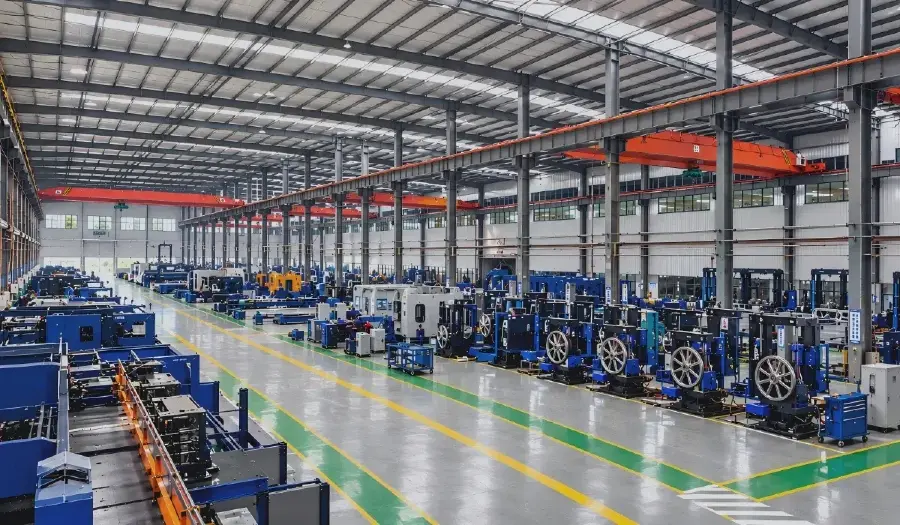
DINOSAW CNC stone machinery manufacturing workshop
DINOSAW R&D & ManufacturingMechanical Design · CNC Control Development · Assembly · Testing · Commissioning · Global Delivery
Industry Standard Drafting

DINOSAW contributes to industry standards for stone machinery, including T/CMES 41001-2025 for CNC wire saw machines, as well as standards covering multi-wire saws, combined wire saw machines and five-axis bridge cutting equipment. This work reflects the company’s long-term involvement in machine design, manufacturing, testing and quality control.

20+Years of Stone Machinery R&D & Manufacturing Experience
100+Technical Patents — Covering machine structures, CNC control, cutting systems and stone processing technologies
120+Countries & Regions Served — Equipment, installation and technical support worldwide

CE Compliance & ISO Management Systems

CE: Stone cutting machinery assessed against Machinery Directive 2006/42/EC and relevant EN standards.
ISO: Management systems certified to ISO 9001, ISO 14001 and ISO 45001.

Ordering Requirements & After-Sales Support

DINOSAW provides disc selection support and consistent batch supply for site crews and workshop fleets.

Tool Fit20/22.23 mm arbors

Confirm grinder or saw arbor and max RPM rating before ordering.

Dry CuttingDust control per site rules

Use extraction or water where site regulations require.

RPM MatchDisc RPM ≥ tool RPM

Never mount a disc rated below the tool's no-load speed.

01 · Pre-Shipment & DeliveryMachine configuration, packaging and transport requirements confirmed before dispatch, with factory inspection and documents verified.
02 · Installation & CommissioningOn-site utilities and foundation check, machine positioning, commissioning and acceptance.
03 · Operator TrainingHands-on training covering routine CNC operation and daily checks of blades, spindles, cooling and lubrication.
04 · After-Sales SupportRemote technical assistance, maintenance support and spare parts coordination throughout the machine's service life.

Segmented Diamond Disc Selection & Use FAQ

Common Questions About Sintered Segmented Diamond Cutting Discs

Match three things: the grinder's rated disc size, its arbor, and the cutting precision the job needs. Diameter first — never mount a disc above the grinder's rated size; a 230 mm disc on a 125 mm grinder is a safety violation, not a productivity hack. Kerf second: thin 1.4–1.6 mm kerfs (105–180 mm) cut faster and cooler for precision work and freehand lines; wider kerfs (2 mm at 230 mm and up) trade some speed for stability in deep cuts and masonry saw use. Arbor last: 20 or 22.23 mm must match the grinder exactly — adapter bushes that don't seat properly cause vibration and disc failure. For general site cutting in granite and concrete, a 125 or 230 mm segmented disc covers most work; keep a 350 mm on the masonry saw for wall and floor cuts.

In concrete, disc life varies with the aggregate: soft limestone aggregate is gentle, and a quality disc lasts many cutting meters; hard flint or recycled concrete with steel wears discs fast — the aggregate, not the concrete grade, sets the wear rate. What kills discs prematurely is almost always operational: forcing the cut instead of letting the disc feed under its own weight, dry-cutting without pauses on deep passes (heat glazes the segments), twisting the disc in the kerf (sideload cracks segments), and cutting rebar without expectation (it can be done slowly — hammering through it fractures diamonds). Track meters per disc on your typical material; that baseline tells you when a disc is genuinely worn versus destroyed, and the difference is usually in the operator's hands.

Contact Dinosaw

Discuss Segmented Disc Specifications

Are you looking for the perfect cutting machines or processing solutions for hard and brittle materials?

Facing challenges in stone quarrying, countertop cutting, concrete and underwater pipeline cutting, stainless steel rust removal and grinding, luxury thin slab cutting, agate and gemstone cutting, graphite cutting, or even building demolition?

Leave your inquiry, and you can expect a reply within 12 hours with tailored solutions!

Prefer email?

You can also reach us at

gma@dinosawmachine.com
Segmented Diamond Cutting Disc for Concrete & Masonry

What materials will you be working with? *

Your Name / Company Name? *

Phone Number / Email Address? *

+86

What specific requirements do you have?

Get A Easy Solution

Chat Online
Ms.Lizzy

Hi, this is Lizzy from Dinosaw ( Not a Robot ).  Which Machine ( model ) do you want? Please WhatsApp us now

WhatsApp Chat Now
Contact Us

Hello 👋 How can we help?