

Bullnose Skirting and Trim
Run skirting and trim programs continuously: strips enter at 20–200 mm width and leave with a finished bullnose edge ready for packing.


Open Hours:8:30am-20:30pm

WhatsApp: +86 198-5901-3937
Applicable Materials
Granite, marble, limestone, travertine and engineered stone strips
Certifications & Credentials
CE Certified · ISO 9001:2015 · Industry Standard Drafting Participant · 120+ Countries & Regions Served
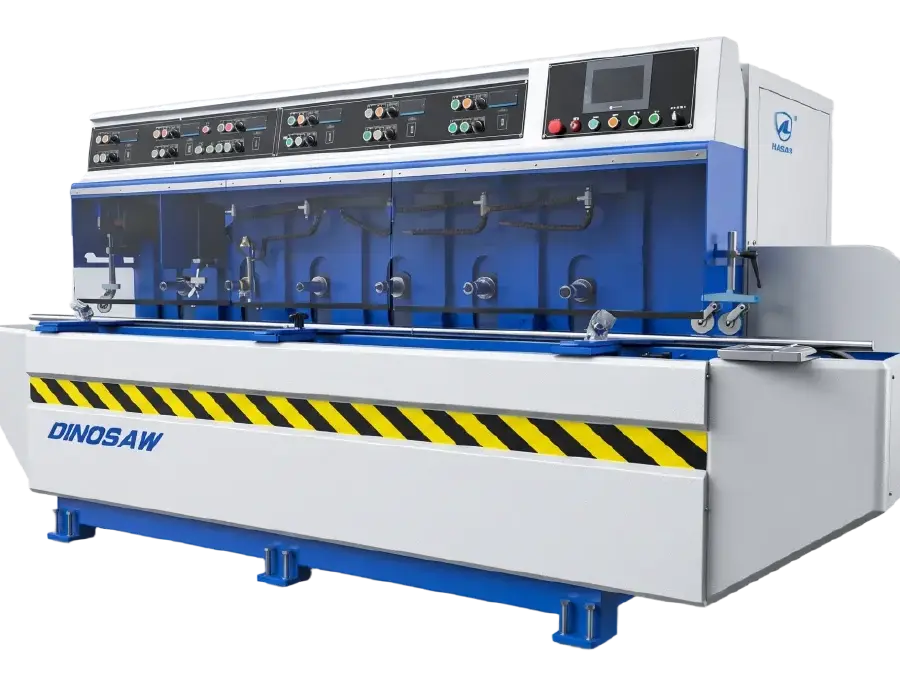
Bullnose and shaped edges finish on continuous strip programs: skirting, trim, countertop build-ups and narrow slab edges that must leave the machine ready for installation.
Run skirting and trim programs continuously: strips enter at 20–200 mm width and leave with a finished bullnose edge ready for packing.
Profile and polish laminated edge build-ups for countertops at line speed, consistent from the first strip to the last.
Finish sill and step edges with a shaped, polished profile that installs without secondary edge work.
Edge narrow slabs and strips for cut-to-size programs where the finished edge is part of the delivered product.
Close the strip-production line: sizing machines cut strips to dimension, the LXMB-8 shapes and polishes the edges as the final pass before packing.
The LXMB-8 is a continuous bullnose line for stone strips: two shaping wheels cut the profile and six polishing wheels finish it at 0.3–1.0 m/min, turning rough-cut strips into installation-ready edges in one pass.
Two shape wheels form the bullnose profile and six polishing wheels refine it in the same continuous pass — no transfer between separate shaping and polishing machines.
Work widths from 20 to 200 mm cover skirting, trim, build-up edges and narrow slab programs on one machine.
65 kW across eight working spindles holds cutting and polishing speed through hard granite at the full width range.
Profile-polishing speed from 0.3 to 1.0 m/min matches the stone and finish: slower for hard granite and premium edges, faster for marble and standard profiles.
Applicable materials: Granite, marble, limestone, travertine and engineered stone strips.
Typical products: Bullnose skirting and trim, countertop edge build-ups, window sill and step edges, and shaped narrow-slab edges for installation-ready programs.
Actual line speed and finish quality vary with stone hardness, wheel condition and target profile.
The LXMB-8 runs strips 20–200 mm wide and 10–100 mm thick through two 200 mm shaping wheels and six 200 mm polishing wheels on 50 mm spindles at 2,500 r/min, with 0–3,000 mm/min polishing-set lifting and a 6.4 m line body at 5.5 tonnes.
| Parameter | Value |
| Shape wheels / polishing wheels (pc) | 2 / 6 |
| Wheel diameter (mm) | 200 |
| Spindle diameter (mm) | 50 |
| Work width (mm) | 20–200 |
| Process thickness (mm) | 10–100 |
| Shape & polishing speed (m/min) | 0.3–1.0 |
| Spindle speed (r/min) | 2500 |
| Polishing set lifting speed (mm/min) | 0–3000 |
| Water consumption (L/min) | 250 |
| Overall dimensions (mm) | 6400×2000×1800 |
| Total weight (t) | 5.5 |
| Total power (kW) | 65 |
Four engineering decisions behind the LXMB-8 bullnose platform. The numbered points on the machine diagram correspond to the systems below.
A bullnose run follows four steps: size strips on the upstream slitting machine and load them onto the line, select the profile program and set speed for the stone, run the continuous shape-and-polish pass at 0.3–1.0 m/min, then collect installation-ready edged strips at the outfeed.
Two shaping wheels cut the profile and six polishing wheels follow in the same pass: the strip leaves the line finished, eliminating the handling and re-fixturing between separate shaping and polishing machines where edge damage occurs.
Strips feed through at 0.3–1.0 m/min continuously: batch after batch runs at the same parameters, and edge quality stops depending on which operator worked which hour.
The 20–200 mm work width range adjusts to the strip program: skirting lines and countertop build-ups share one machine by recalling the setup per product instead of dedicating machines to narrow ranges.
Eight spindles share 65 kW total power at 2,500 r/min: shaping wheels keep cutting through granite while the polishing train behind them holds finish quality — power headroom is what keeps line speed stable on hard stone.
The polishing set lifts at 0–3,000 mm/min, adapting to strip thickness changes between batches without stopping the line: thickness variation from 10 to 100 mm enters the program, not the downtime log.
The LXMB-8 finishes what sizing starts: strips from the slitting stage enter at dimension and leave with shaped, polished edges ready for packing — the final station of a strip-production line.
A production-model comparison for edge finishing buyers.
DINOSAW is a manufacturer of CNC stone processing machinery, specializing in diamond wire saw machines and CNC stone cutting equipment. With more than 20 years of R&D and manufacturing experience, DINOSAW contributes to industry standards including T/CMES 41001-2025 for CNC wire saw machines, holds 100+ technical patents, and supplies equipment and technical support to customers in 120+ countries and regions. Its manufacturing and management systems are certified to ISO 9001, ISO 14001 and ISO 45001, with CE-compliant machinery for international markets.
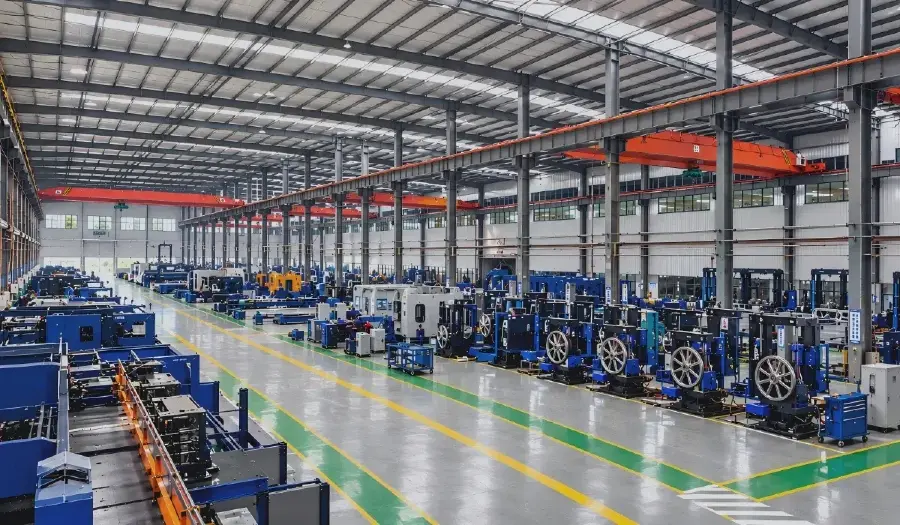
DINOSAW provides installation guidance, operator training, remote diagnosis and spare-parts coordination for every machine.
Continuous line layout; allow strip infeed and outfeed access.
Voltage and frequency confirmed against local standards before shipment.
Wheel cooling and slurry transport; recycling recommended.
Bullnose line vs. single-piece edge polishers, width and profile coverage, and integration with strip sizing.
When edges repeat. A single-piece edge polisher — a bridge machine working one workpiece at a time — fits varied, low-volume work where every piece differs. A bullnose line fits programs where the same profile runs for hours: skirting, trim, build-ups and sill edges in continuous batches. The economics invert with repetition: at low mix the single-piece machine wins on flexibility, but as batch length grows, its per-piece handling time dominates while the line's 0.3–1.0 m/min continuous flow keeps producing. The quality argument follows the same line: continuous parameters hold edge consistency across thousands of strips, where single-piece work varies with operator and fixturing. If your orders run repeated profiles in volume, quote the line; if every edge is different, keep the bridge machine. Many factories run both, with the LXMB-8 absorbing the repeating core programs. The LXMB-8's eight-spindle layout means the shaping and polishing stages share one frame, which is the structural reason its edges stay consistent at line speed.
The machine covers strips 20–200 mm wide and 10–100 mm thick, with two 200 mm shaping wheels cutting the profile and six polishing wheels finishing it. The shaping wheels define the profile geometry — bullnose and shaped profiles within the wheel's cutting capability — and the polishing train refines whatever the shapers form, so the practical profile range follows the wheel set fitted. Speed runs 0.3–1.0 m/min depending on stone and finish: granite at the slower end with hard-bond wheels, marble faster. For programs mixing widths, the fixturing adjusts between batches and stores the setup per product. If your profile exceeds the standard wheel range, send the section drawing: profile-specific wheel sets are the configuration path, and DINOSAW confirms feasibility against the 50 mm spindle and 2,500 r/min platform before quoting. The 0–3,000 mm/min polishing-set lift is the feature that makes mixed-thickness batches practical without stopping the line. For very wide build-ups beyond 200 mm, bridge-type edge polishers remain the right tool.
As the finishing station of a strip line. The typical flow runs: slabs slit to strips on the DPJ-class sizing machines or cut on the bridge saw, strips feed into the LXMB-8 at dimension, and the line returns them with shaped, polished edges ready for packing. Because the sizing stage holds strip dimensions and the LXMB-8 holds edge parameters, the whole line runs on stored programs — no re-measuring between stations. Layout planning matters: minimize handling between sizing and edging, because every manual transfer is where edges chip and dimensions drift. For volume programs, position the machines in direct flow with roller transfer; for mixed programs, a buffer table between stages absorbs scheduling differences. Either way, quoting the line as a system — sizing plus edging — gives a cleaner production plan than quoting machines individually. The 65 kW draw is the number to size into the electrical plan, with the 250 L/min water circuit alongside it.
Five inputs drive the configuration. Your strip envelope — the width range, thickness range and typical lengths — confirms the machine covers your products within 20–200 mm and 10–100 mm. Your profile list: the edge sections you run most, ideally with drawings or photos, determines the shaping wheel set. Your stone classes set the speed program and wheel bond recommendations — granite and marble run at different points of the 0.3–1.0 m/min range. Your volume per profile sets the production plan: the line earns its place on repeated batches, so the mix of repeating to one-off work decides the line-versus-single-machine answer. And your utilities: 65 kW total power and 250 L/min of water, plus the 6.4 × 2 m floor space. With these, DINOSAW returns a configuration covering wheels, speeds and line integration rather than a catalog default. Batch programs should be quoted with the wheel set included, since the profile range follows the wheels fitted.
Contact Dinosaw
Discuss LXMB-8 Bullnose Line ConfigurationAre you looking for the perfect cutting machines or processing solutions for hard and brittle materials?
Facing challenges in stone quarrying, countertop cutting, concrete and underwater pipeline cutting, stainless steel rust removal and grinding, luxury thin slab cutting, agate and gemstone cutting, graphite cutting, or even building demolition?
Leave your inquiry, and you can expect a reply within 12 hours with tailored solutions!




What materials will you be working with? *
Your Name / Company Name? *
Phone Number / Email Address? *
What specific requirements do you have?
Selection guides and related equipment for edge profiling, strip finishing and bullnose production.
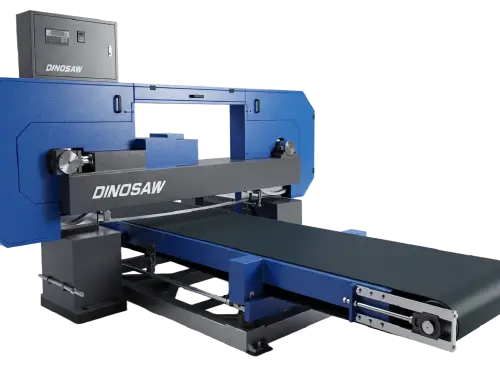
The DPJ slitting machine sizes strips to dimension upstream of the bullnose line.
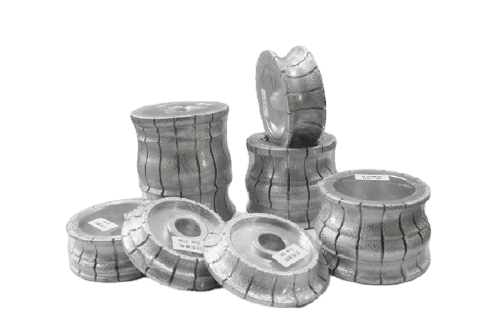
Line-mounted profile wheels cover the A-PE profile vocabulary beyond the LXMB-8 standard program.
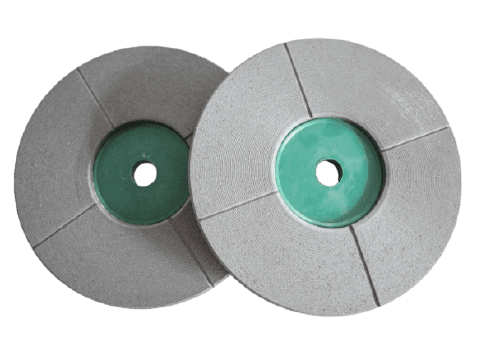
Final buff discs for the polishing machines that complete edges the line forms.
 English

Get A Easy Solution
Chat Online
Hi, this is Lizzy from Dinosaw ( Not a Robot ). Which Machine ( model ) do you want? Please WhatsApp us now
Hello 👋 How can we help?


 中文
